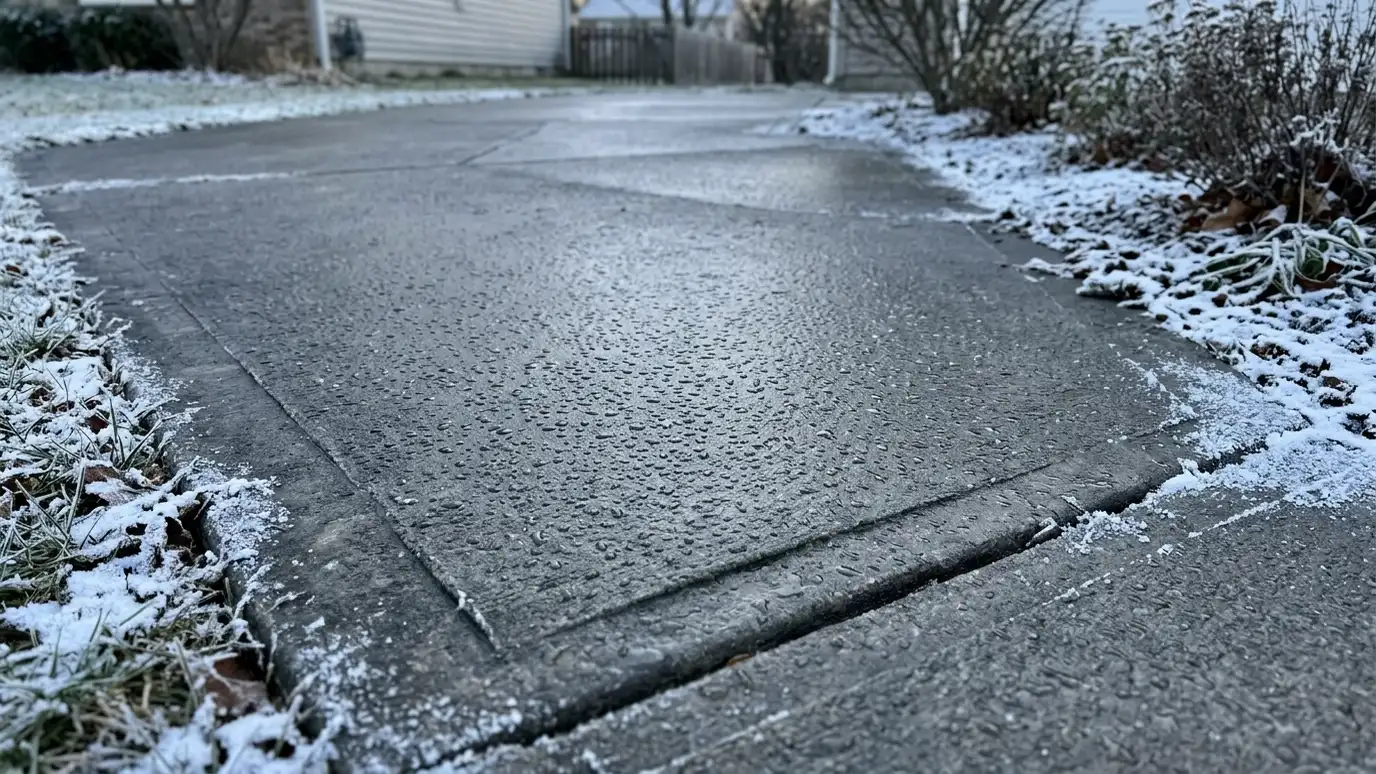
Water in concrete freezes and thaws all winter. Here is how air entrainment, sealers and good drainage protect your slab.
Middle Tennessee winters swing above and below freezing many times. Water that has soaked into concrete freezes, expands and breaks the surface, and over the years that cycle causes scaling, pitting and spalling. De-icing salts make it worse by drawing more water into the surface and driving it deeper.
Protection starts at the pour. Air-entrained concrete has tiny bubbles that give freezing water room to expand, and a proper finish and cure make the surface dense. After that, a quality sealer keeps water out, good drainage keeps puddles from sitting and gentle de-icers avoid damage. We also set footings below the frost line so structures do not heave.
Room for ice.
Keeps water out.
No standing puddles.
Resists scaling.
No heaving.
Spare the surface.
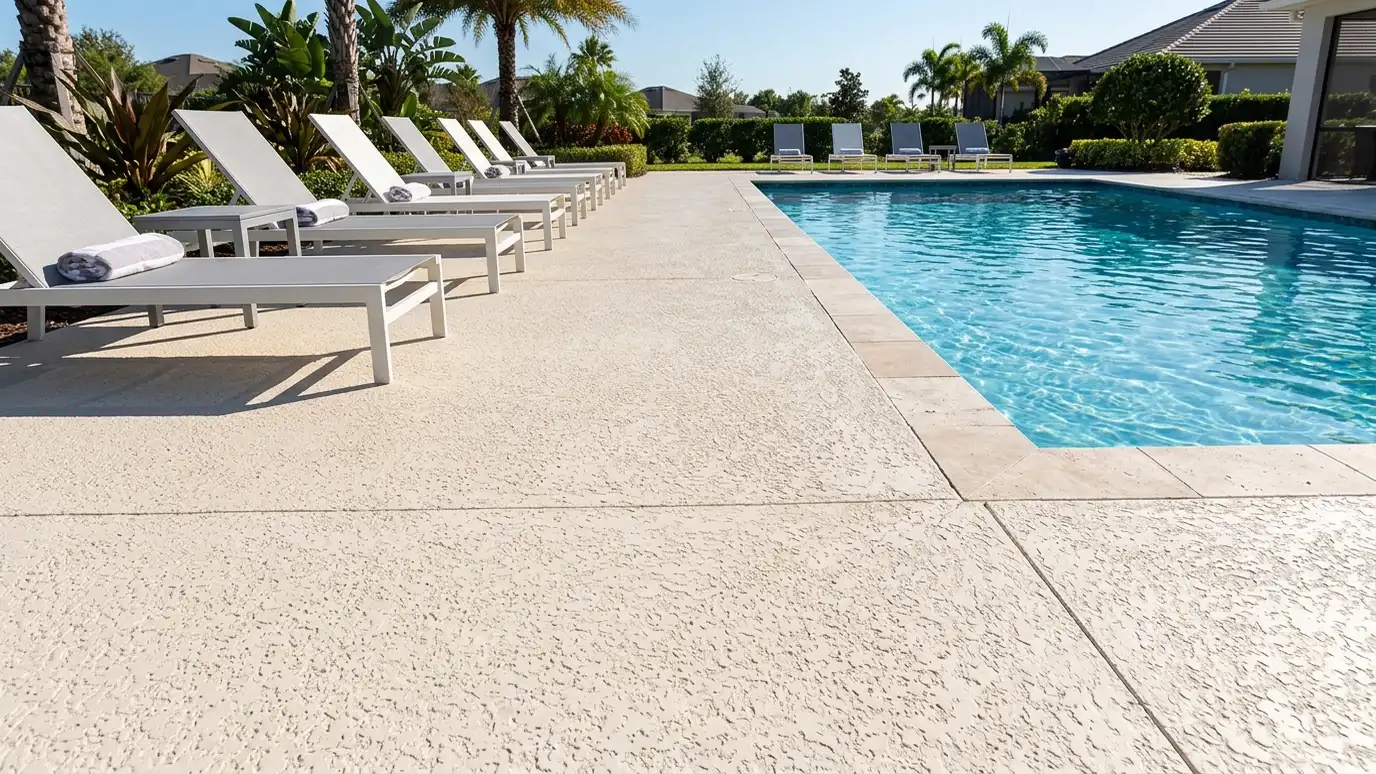 Concrete Pool DecksCool, non-slip concrete pool decks that handle water, sun and bare feet, with clean edges and drainage that…Explore
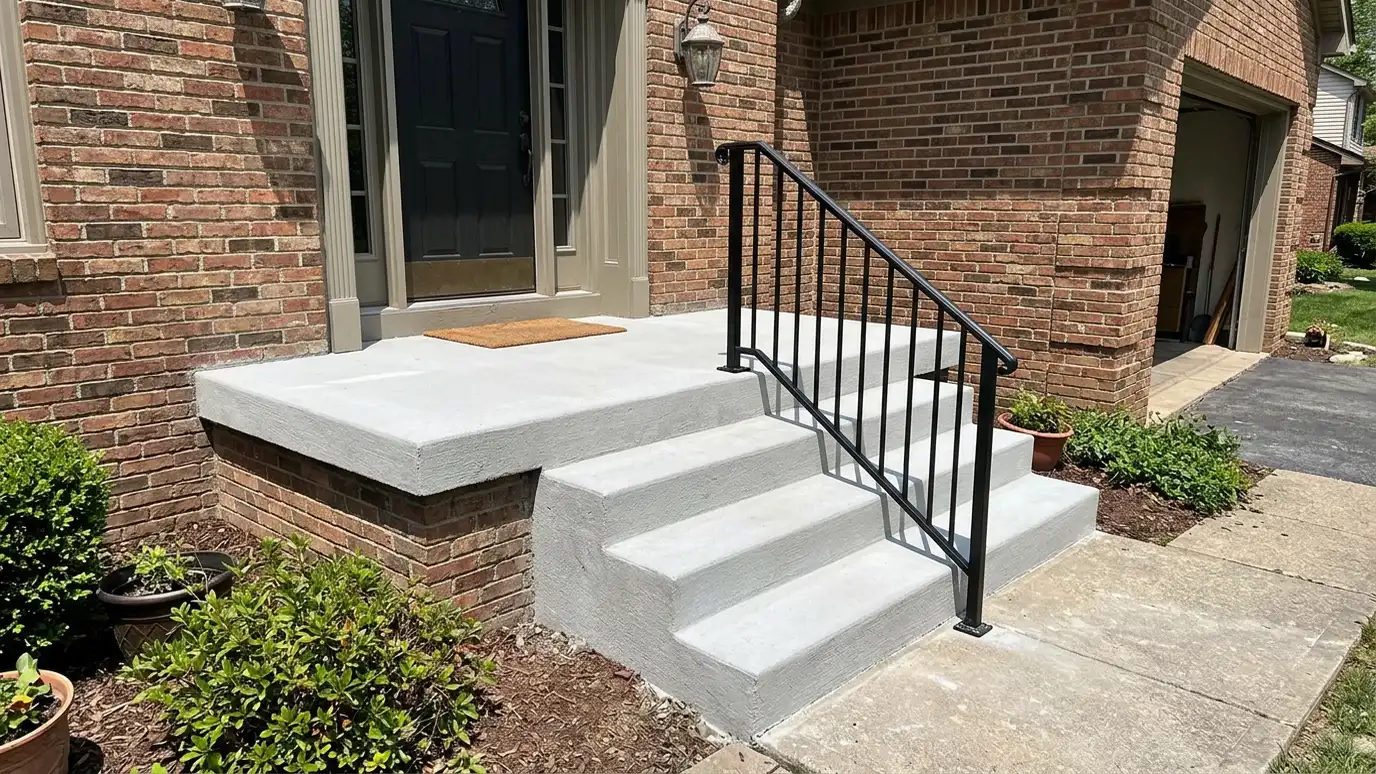 Steps and StoopsSolid concrete steps and stoops with even risers, safe treads and clean edges, built new or rebuilt from…Explore
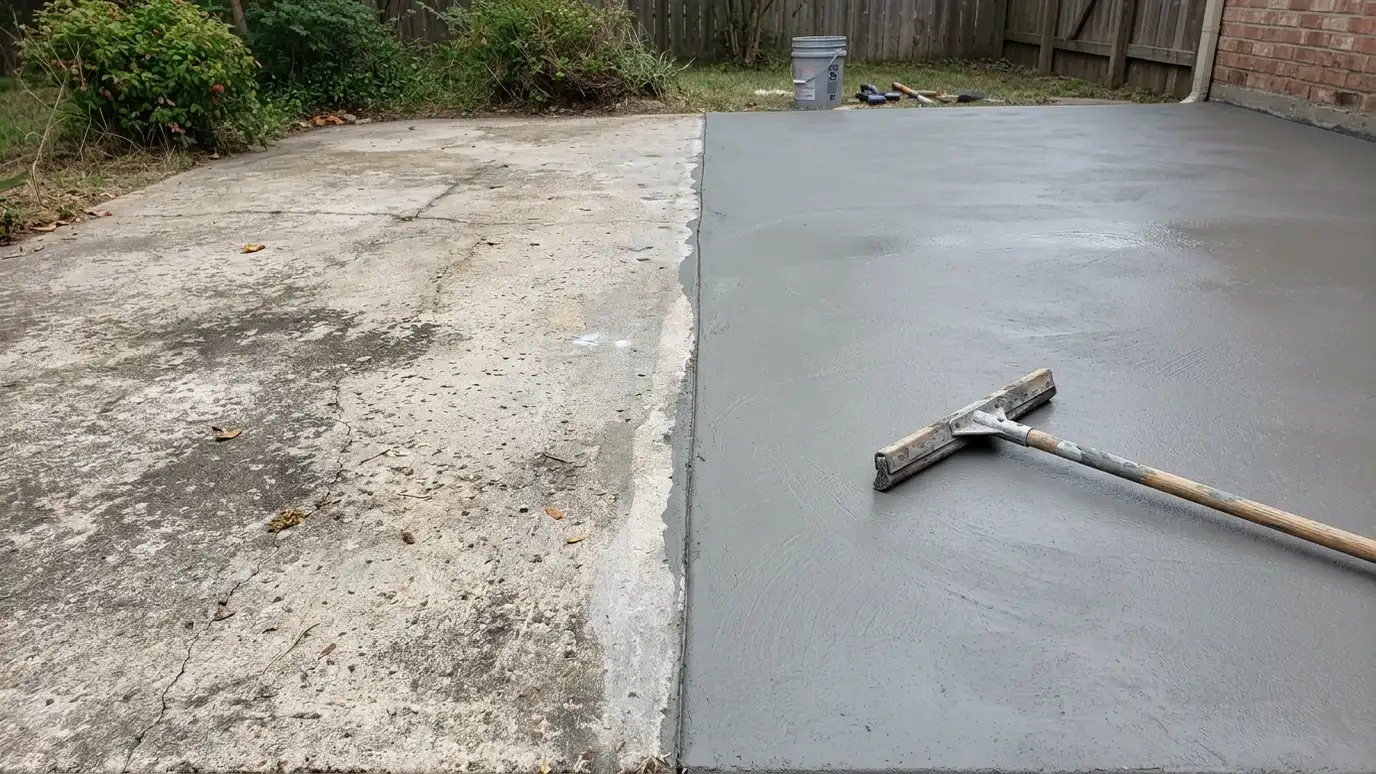 Concrete ResurfacingThin resurfacing systems that smooth rough, pitted or scaled concrete and give it a fresh, uniform face.Explore
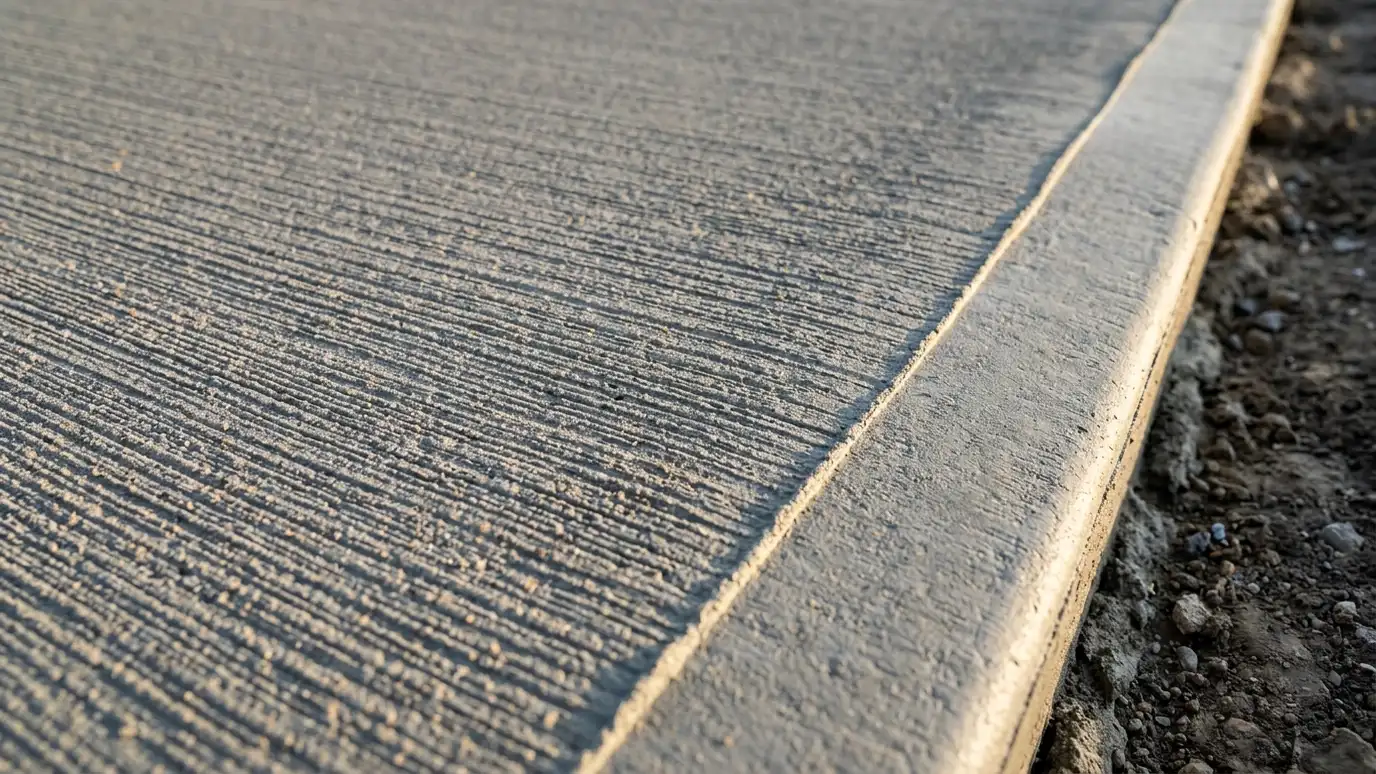 Broom and Textured FinishesSimple, durable broom and textured finishes that give grip on driveways, walks and ramps at a friendly price.Explore
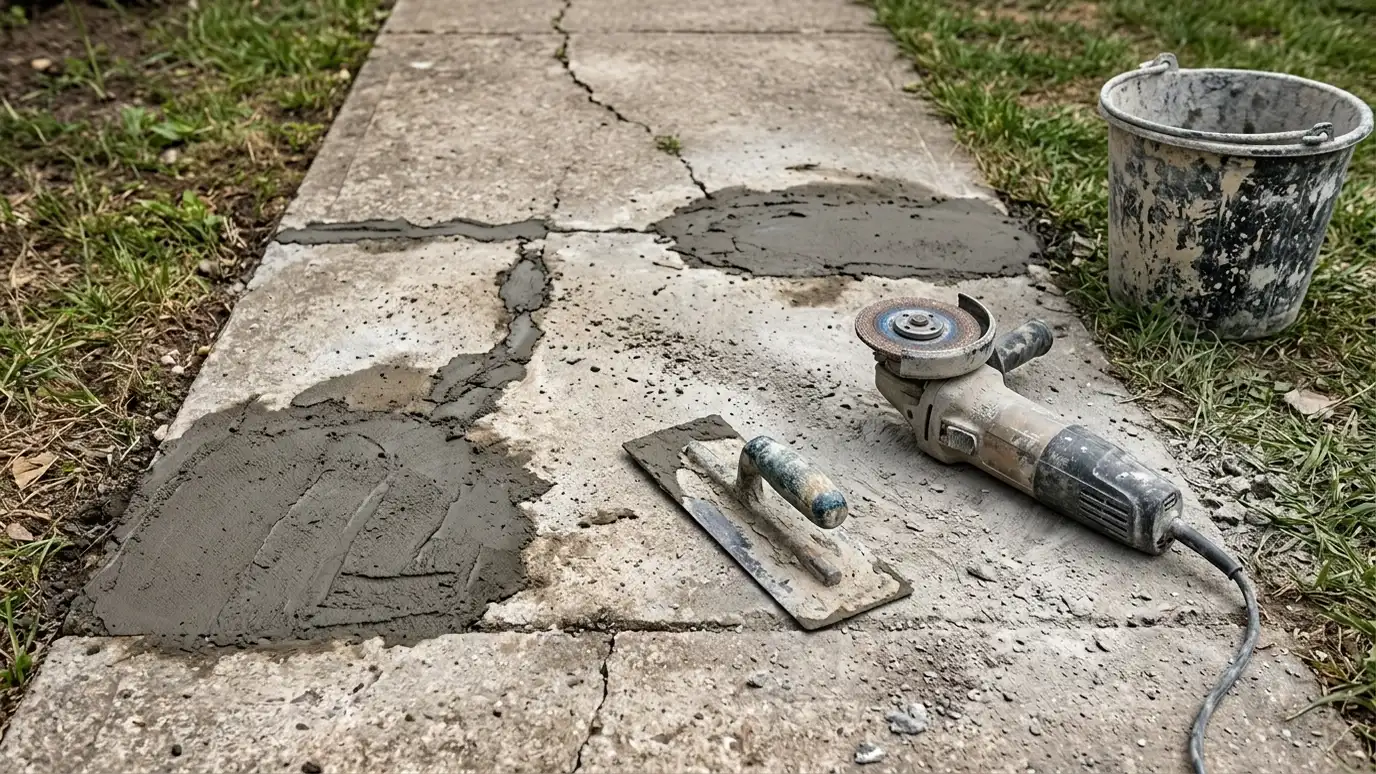 Concrete RepairsHonest assessment and lasting repairs for cracked, sunken, scaled and crumbling concrete, from small patches to full sections.Explore
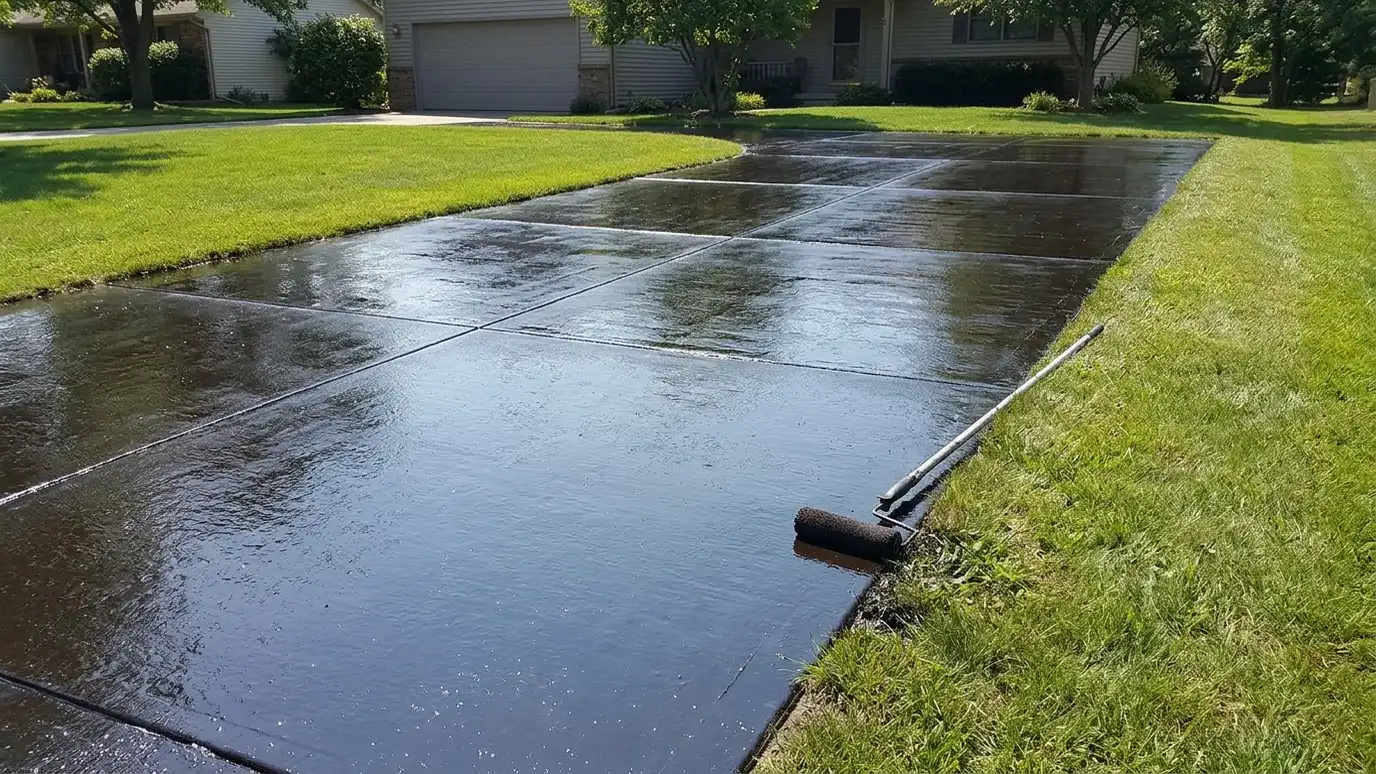 Driveway SealingQuality sealers that protect concrete driveways from stains, water, salt and sun, and bring back a clean, even…Explore
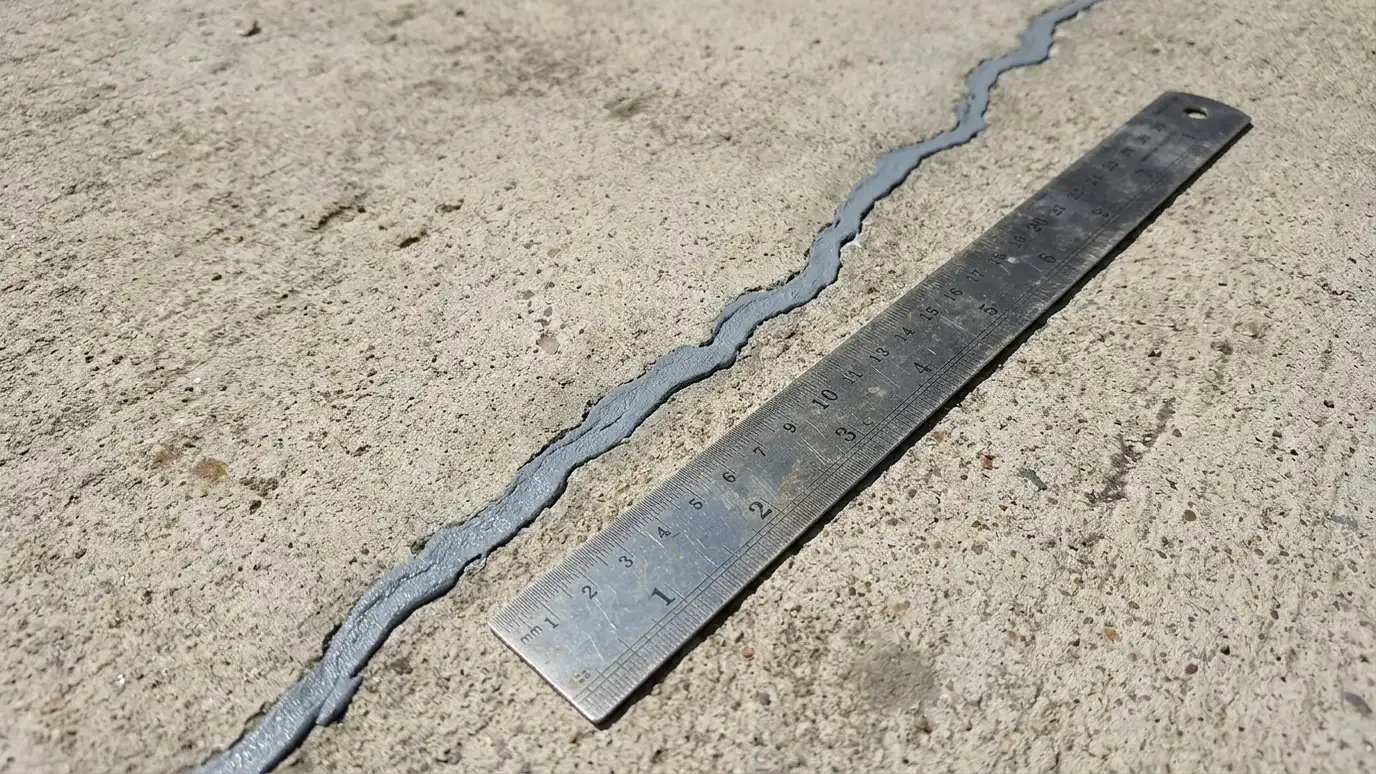 Crack RepairCracks cleaned and sealed with flexible or structural materials so water stays out and the slab stays together.Explore
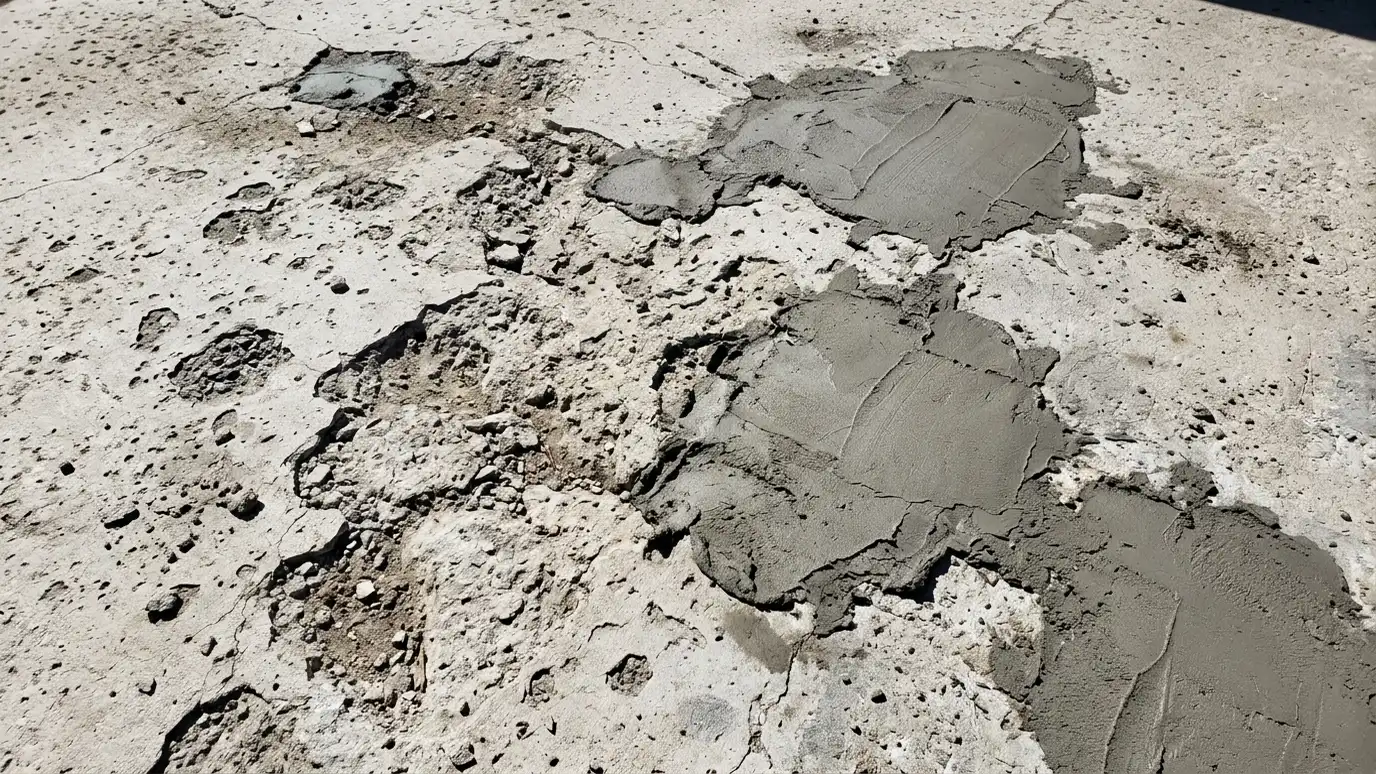 Spalling and Surface RepairFlaking, scaling and pitted surfaces repaired with well-adhered patches and resurfacing, plus advice to stop it from returning.Explore
Take the quiz, check a problem or ballpark a budget.
 Which Concrete Service Do I Need? QuizAnswer five questions about your slab, your site and your goals to see whether you need repair, lifting, resurfacing or replacement.Try it
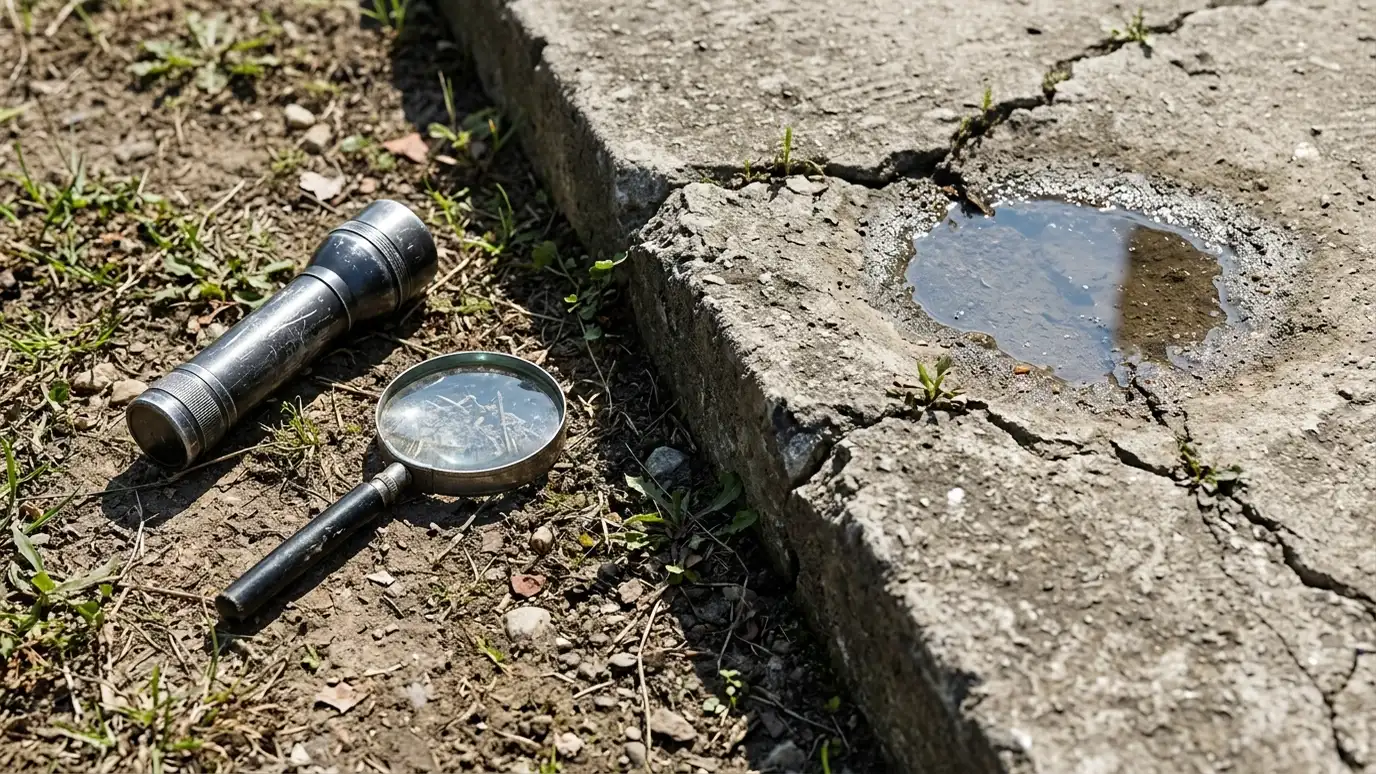 Concrete Problem CheckerCheck the signs you see in your concrete and get a likely cause with the next step.Try it
 Concrete Budget PlannerPick a project, a size and a finish and get a ballpark planning range.Try it
It is a mix with tiny air bubbles that give freezing water space to expand without breaking the slab.
They can speed up surface damage, especially on young slabs. Sand and gentle products are safer.
Usually after it has cured for the time the sealer maker recommends, often several weeks.
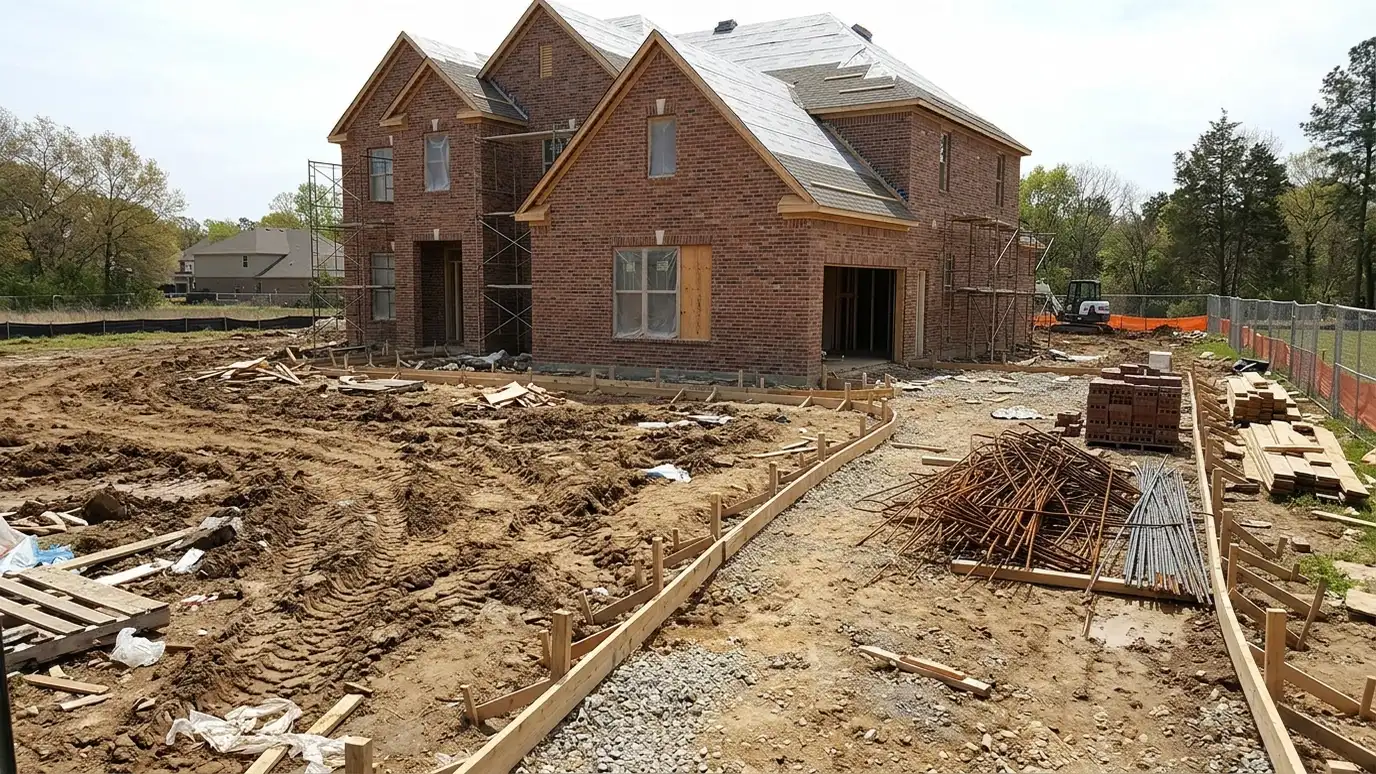 Site situationNew Construction LotsA new build needs concrete poured in the right order. Here is how to plan footings, slabs, drives…Learn more
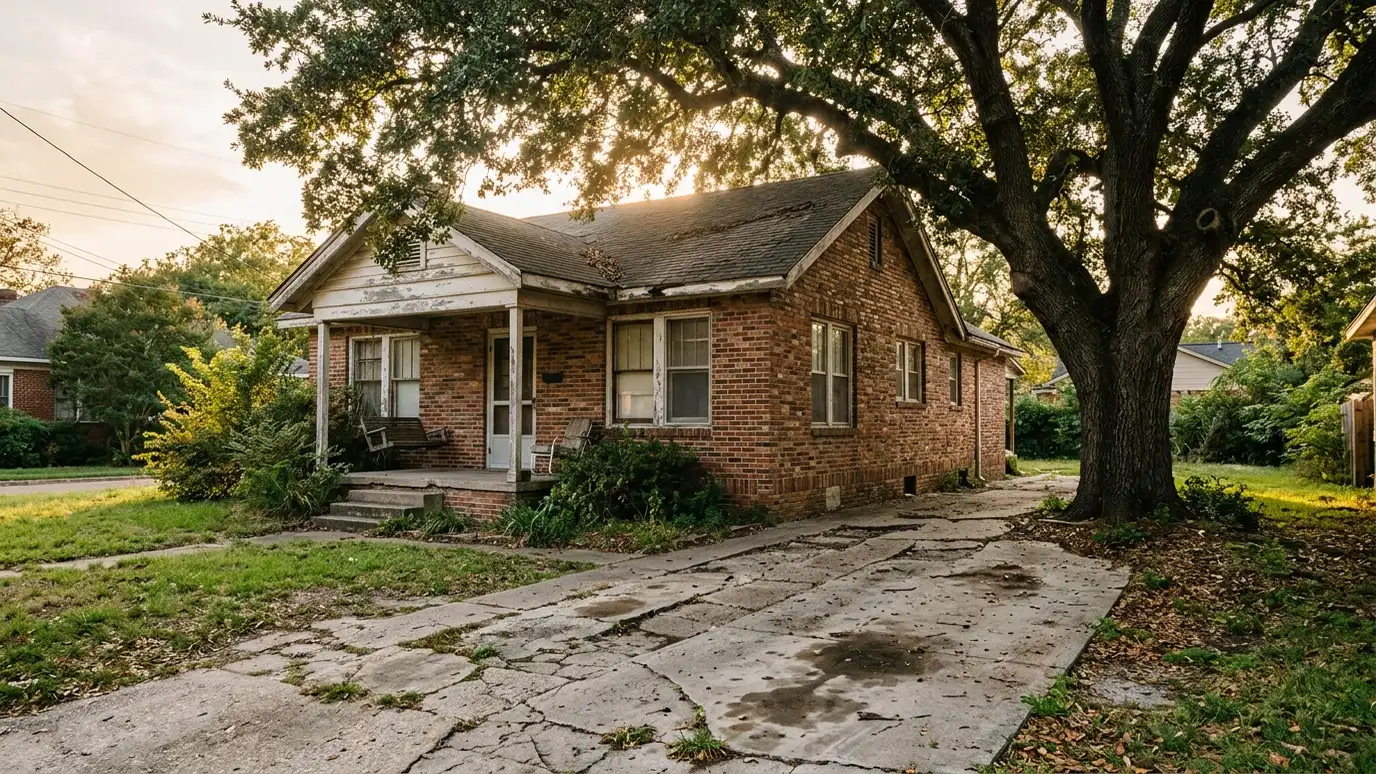 Site situationOlder Homes and Cracked ConcreteOld slabs crack, settle and stain. Here is how to decide between repair, lifting, resurfacing and replacement.Learn more
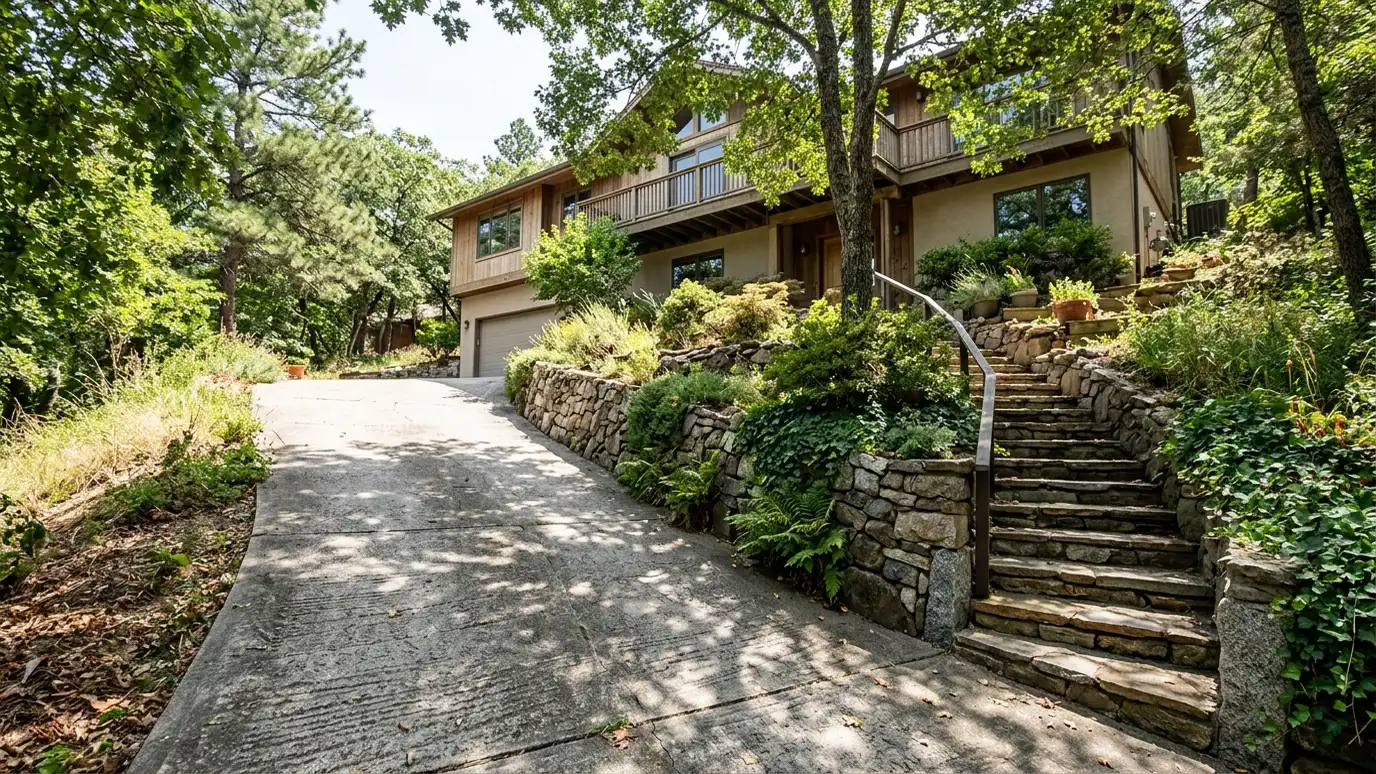 Site situationSloped and Hilly LotsHills mean steep drives, walls and runoff. Here is how to plan concrete that stays put and drains…Learn more
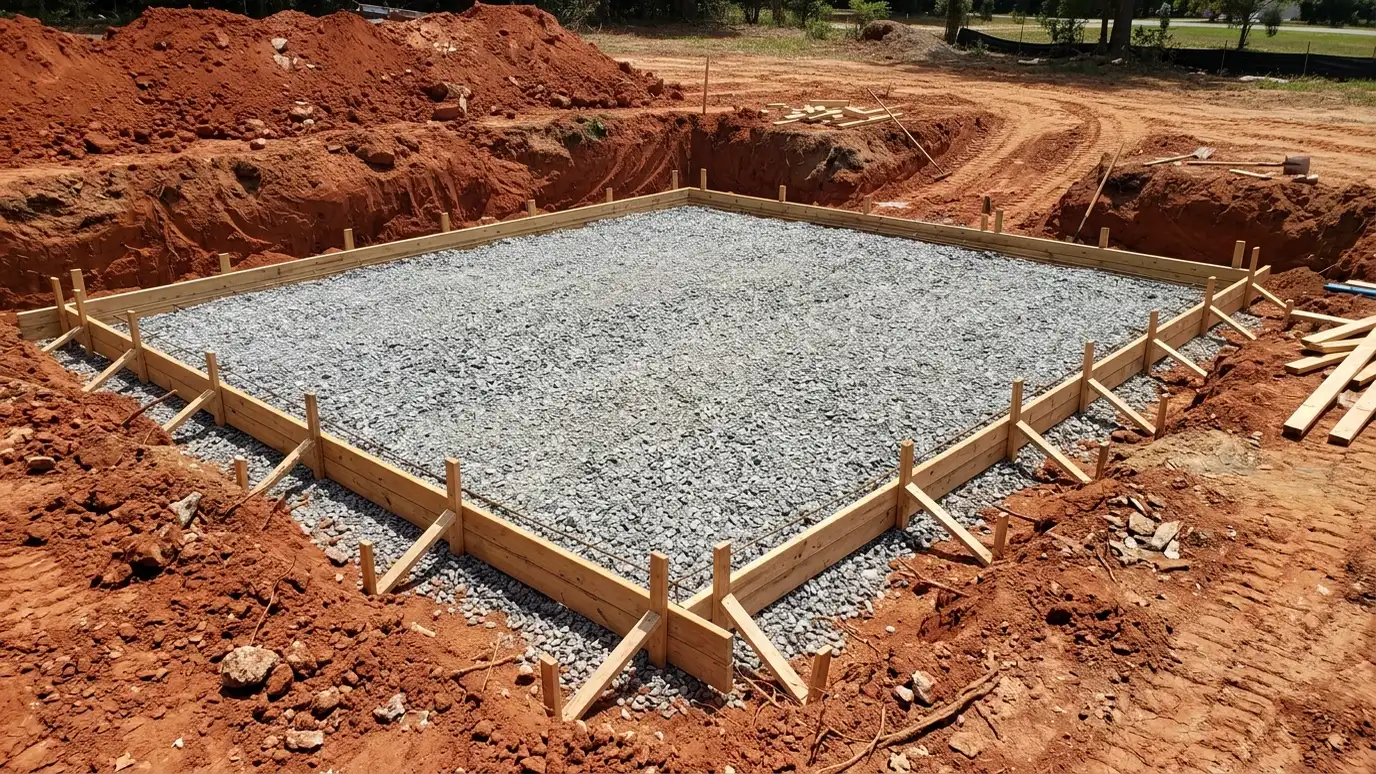 Site situationRed Clay and Poor SoilRed clay swells when wet and shrinks when dry. Here is how a good base keeps concrete from…Learn more
Call us and we will walk your site, check the soil and drainage and give you a clear plan and a written scope for new concrete, repair or sealing.