The basic answer
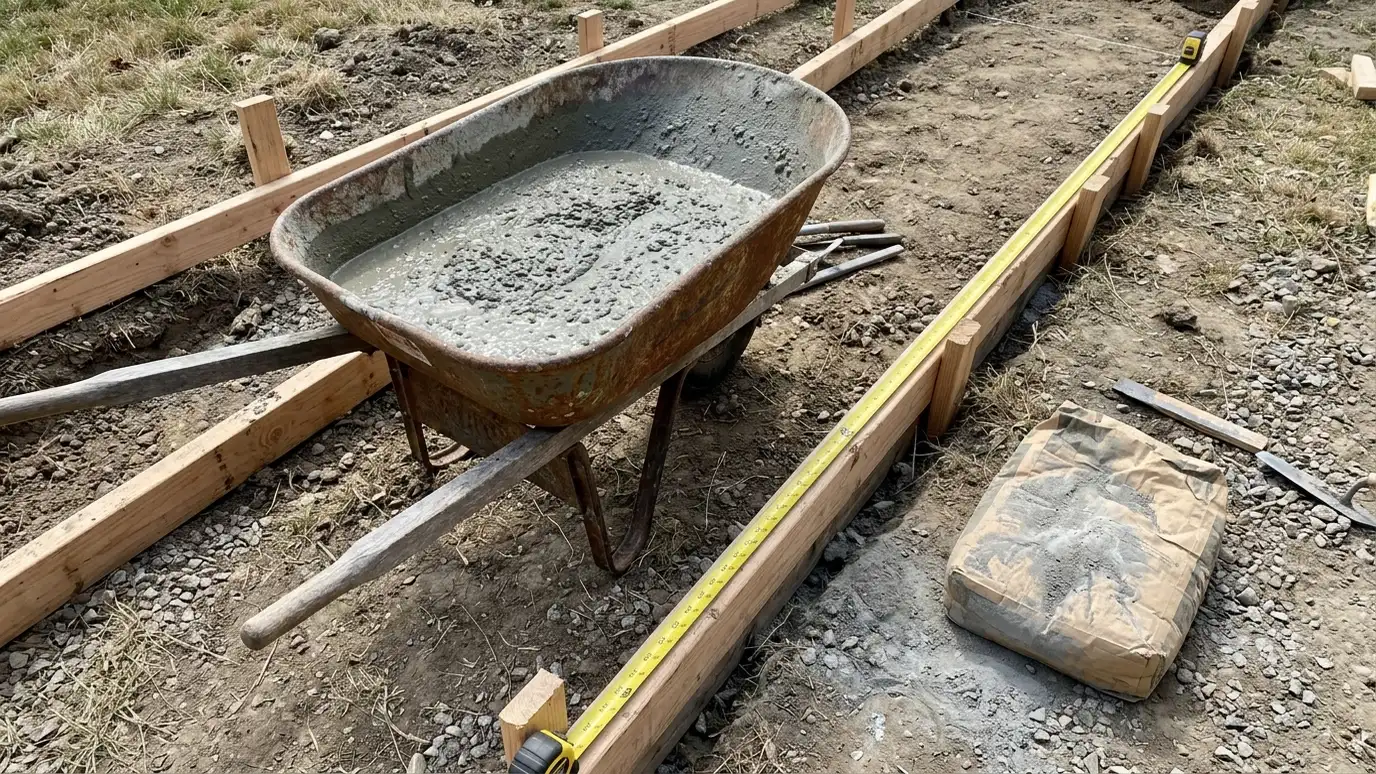
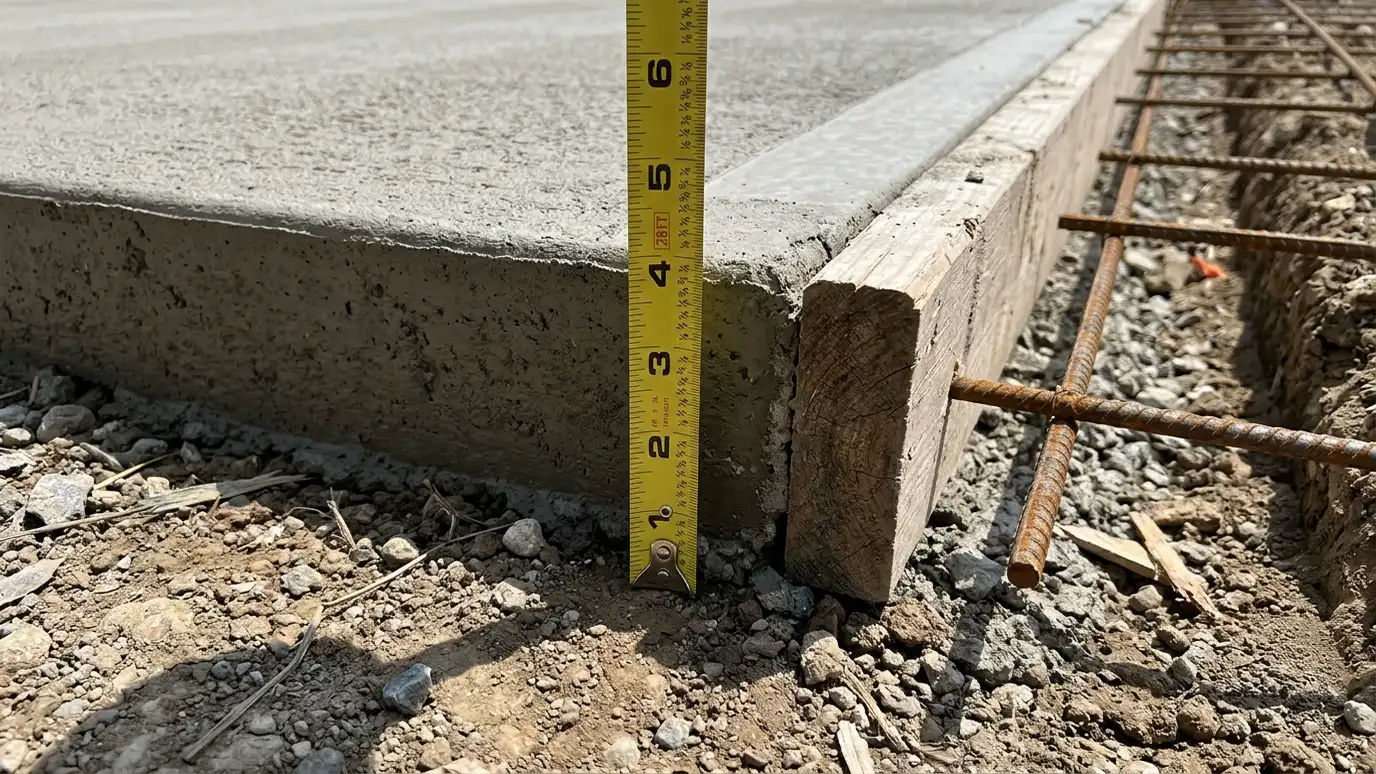
Many residential driveways are four inches thick, which is enough for cars on a good base. Thicker slabs of five or six inches are often used for trucks, trailers and heavy vehicles. Aprons and turning areas may be thicker still.
Thickness alone does not make a good driveway. The base and the steel matter as much.
Match thickness to the load
A light-duty drive serving cars and the occasional delivery can use a thinner slab. A drive with a loaded trailer, work truck, RV or boat needs more. If you may add heavier vehicles later, plan for them now.
It costs less to add thickness at the pour than to replace a cracked slab later.
The base underneath
A compacted bed of crushed stone spreads loads and drains water. In clay soil, a thicker base helps stop settling and heaving. Soft spots should be dug out and filled with stone.
Skipping the base is one of the most common causes of early cracking.
Reinforcement
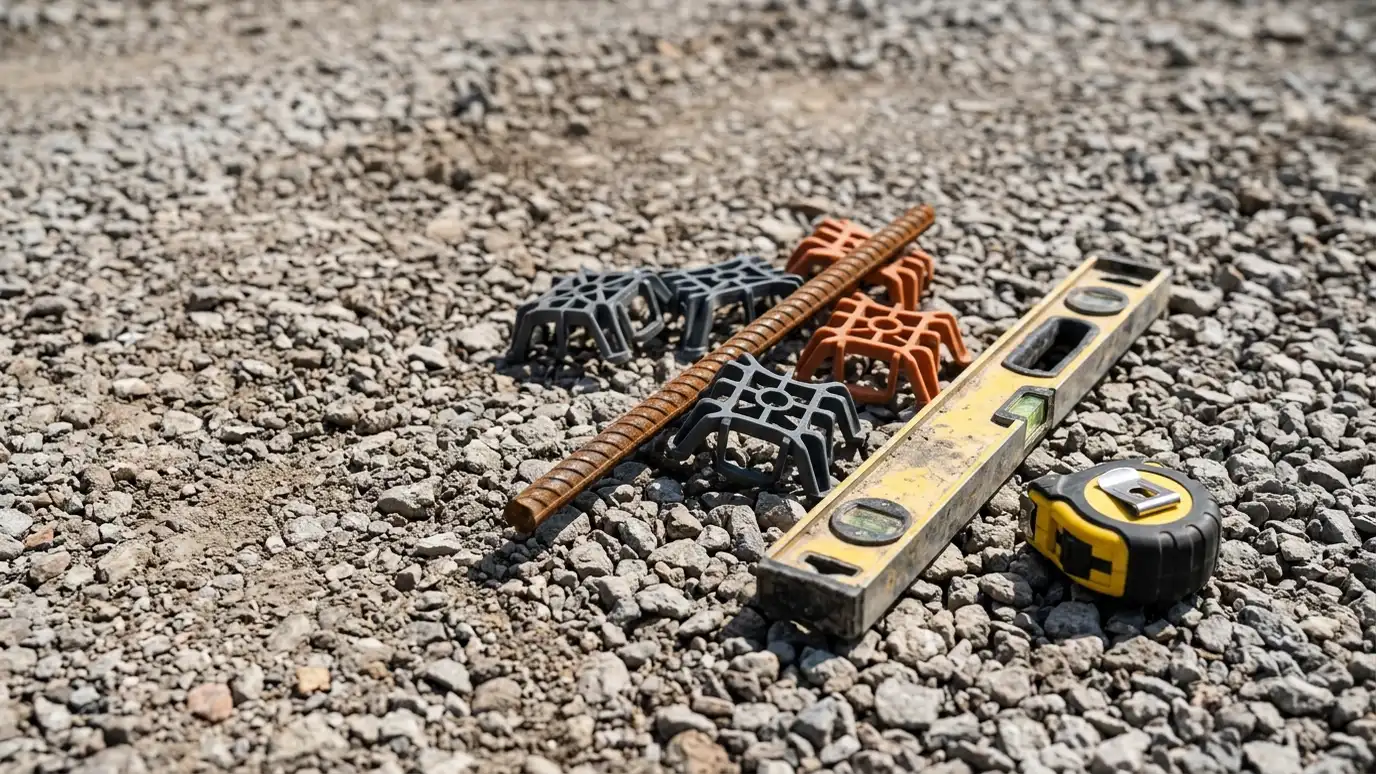
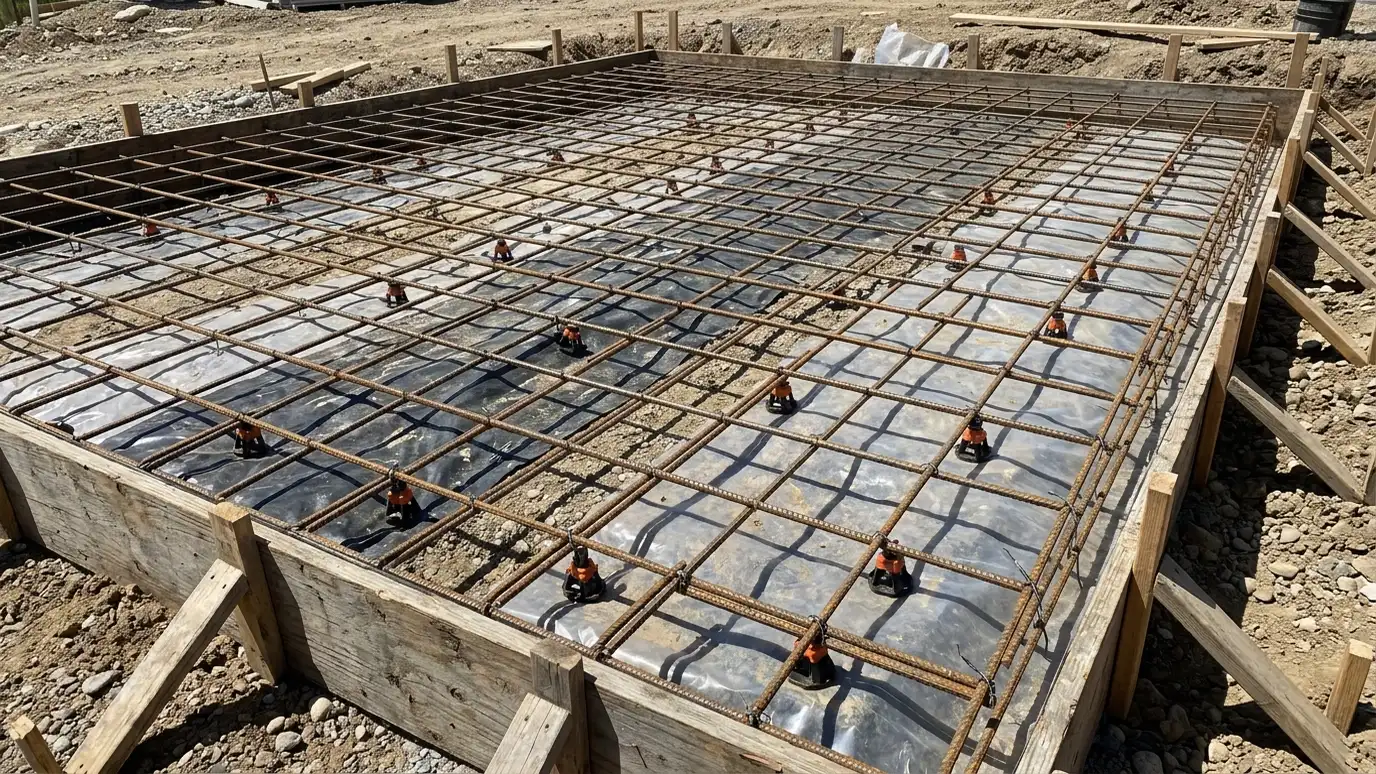
Rebar on chairs gives stronger, more consistent reinforcement than wire mesh and is often used for heavy loads. Fibers help control surface cracks. Steel works best when it sits in the middle of the slab.
Steel does not prevent cracks, but it holds them tight.
Joints and edges
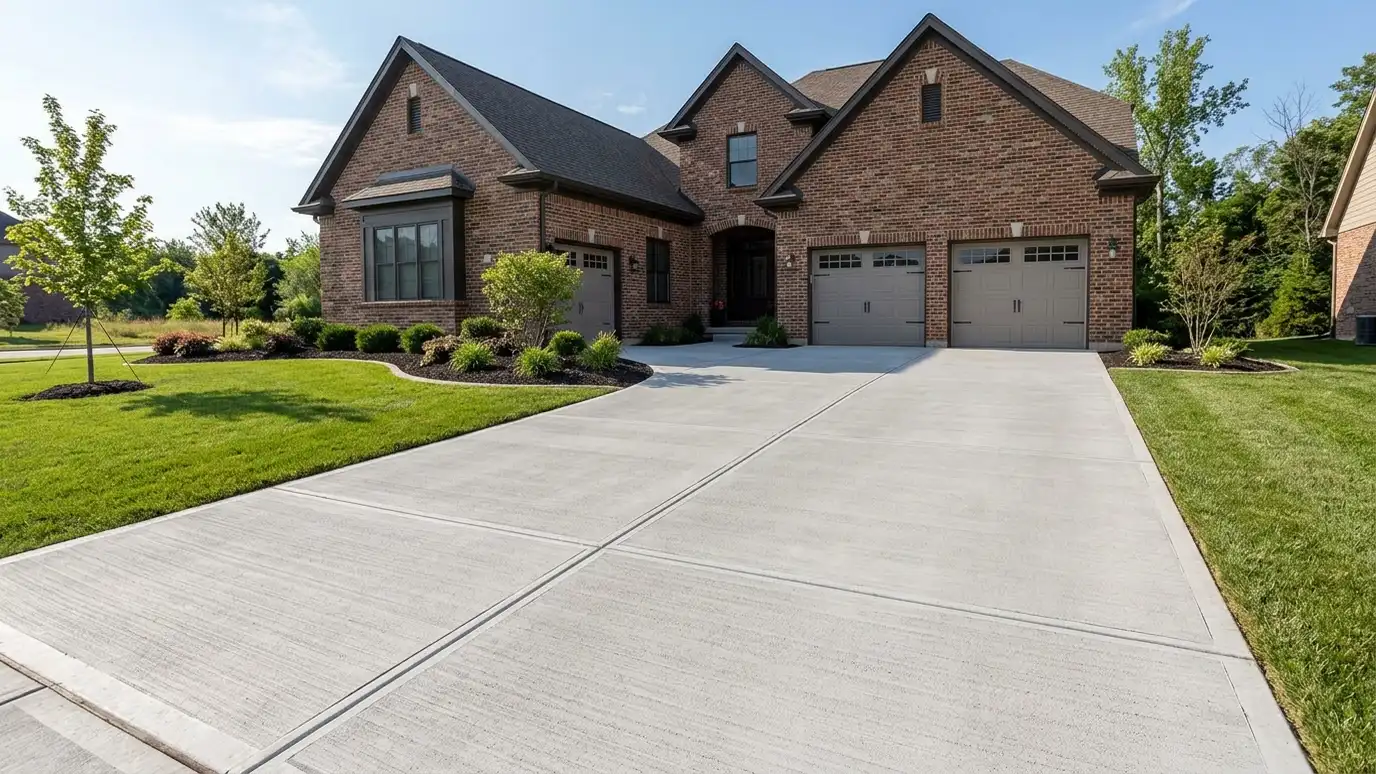
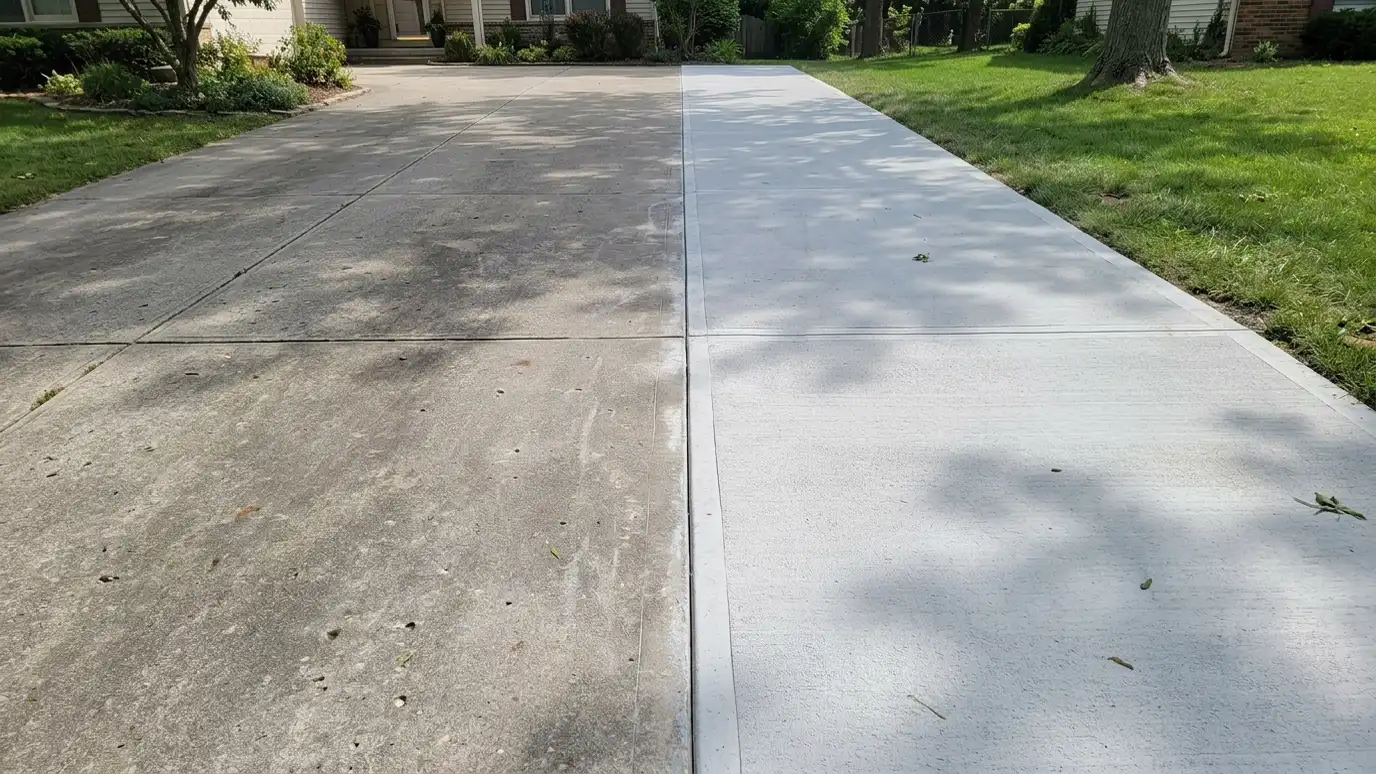
Control joints create planned crack lines, and expansion joints let slabs move. Edges that take the most traffic can be thickened for strength.
A good joint layout keeps the driveway looking neat as it ages.
What we recommend
We look at your vehicles, soil and slope and recommend a slab to match. You get a written scope that states thickness, base, steel and joints so you can compare quotes.
If you are unsure, we explain the options with their trade-offs.
Choose thickness for the heaviest vehicle you expect, and spend as much attention on the base and steel as on the concrete itself.