Spring: inspect and repair
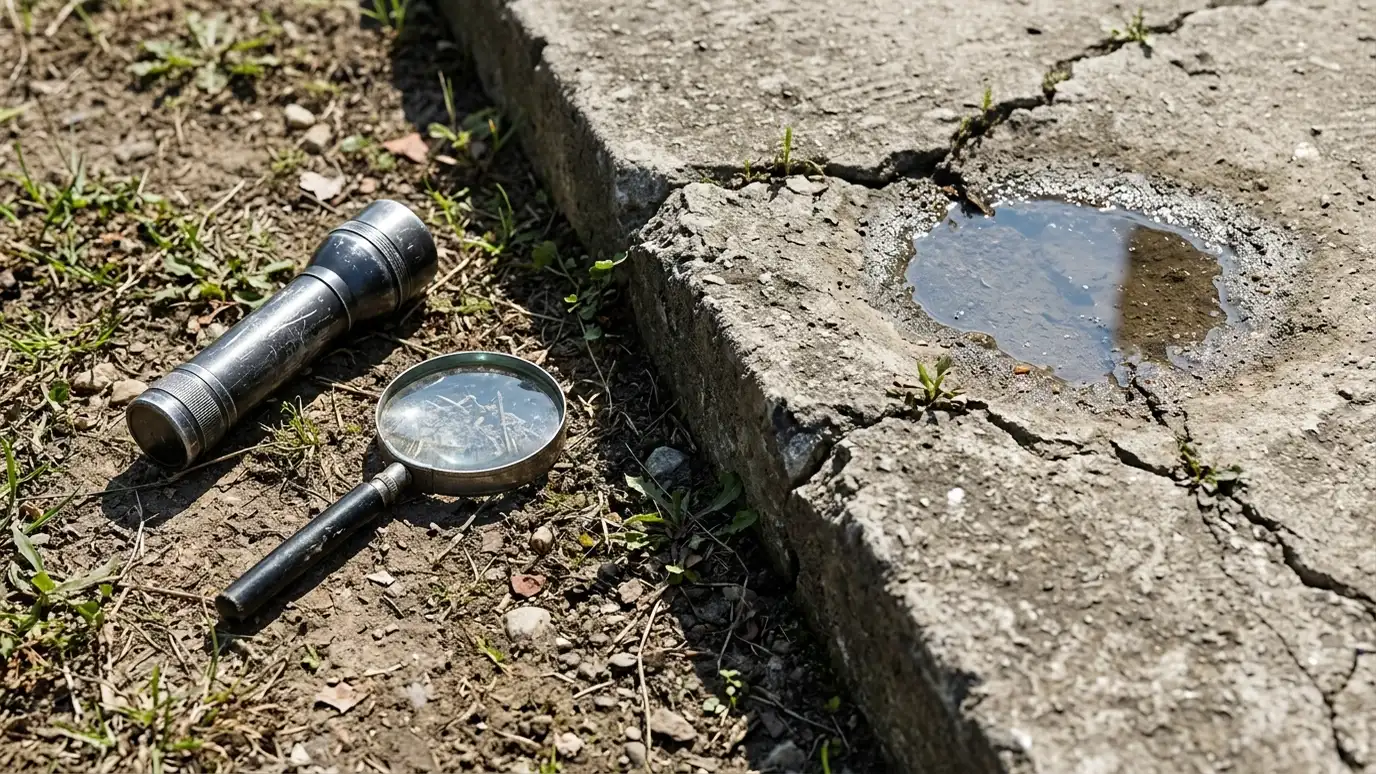
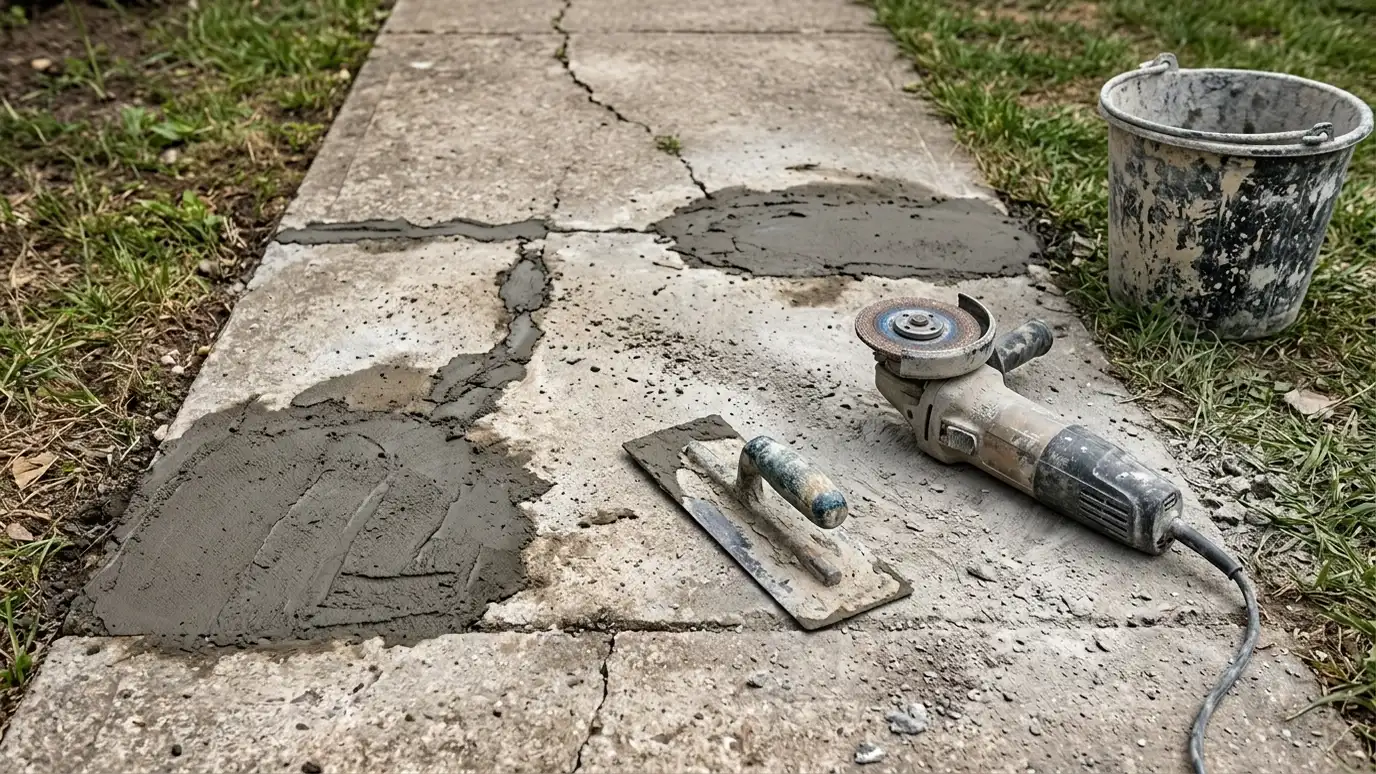
Walk the property and look for new cracks, scaling, settling and trip hazards that winter has left. Clean off salt and sand, and plan any repairs for the dry months.
Check that gutters and downspouts are working.
Early summer: clean
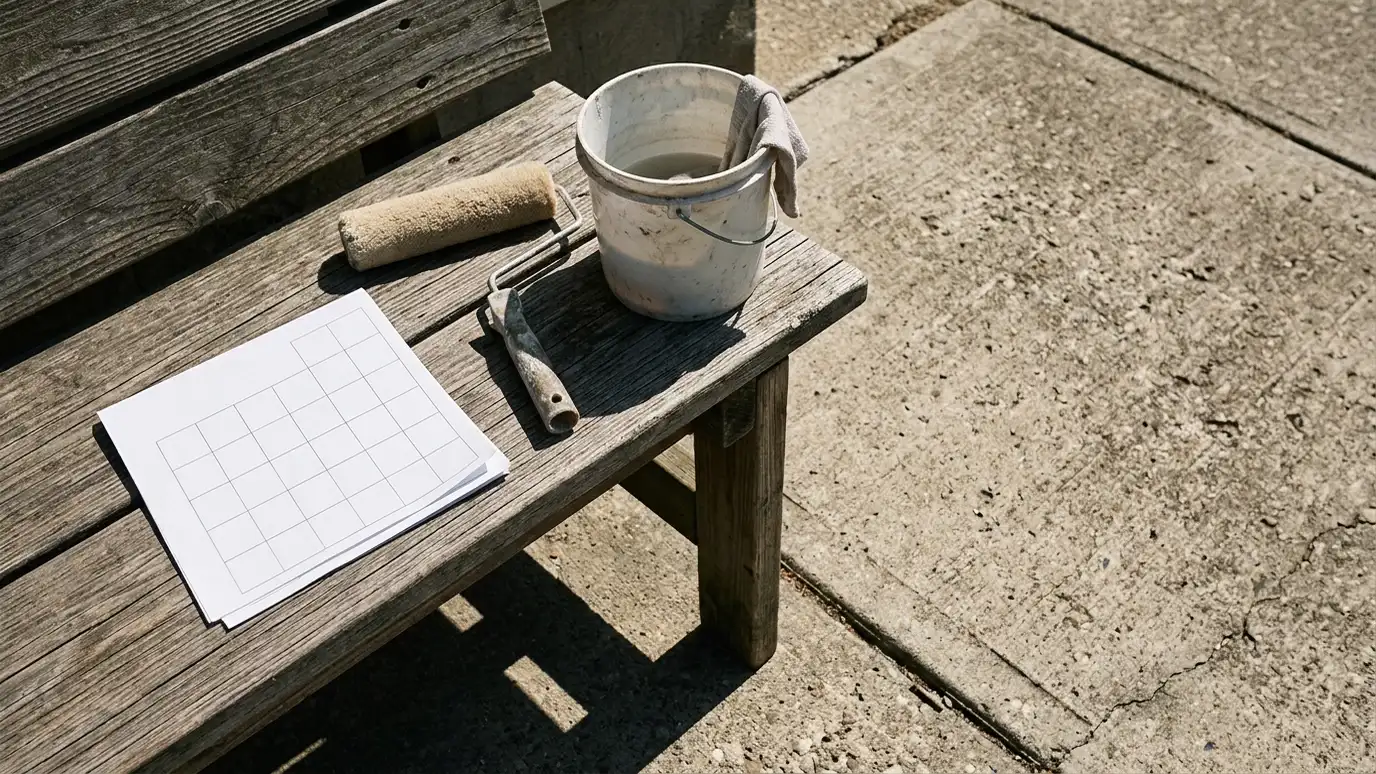
Wash away dirt, mildew and stains. Pressure wash carefully, and spot-treat oil and rust. Let concrete dry fully before sealing.
Early summer is a good time to fix cracks and joints.
Late summer: repair and reseal
Hot, dry weather is good for repairs and for resurfacing and sealing, as long as the surface is not too hot. Fill joints and cracks, and repair spalled areas.
Avoid sealing in direct midday sun.
Fall: seal and prepare
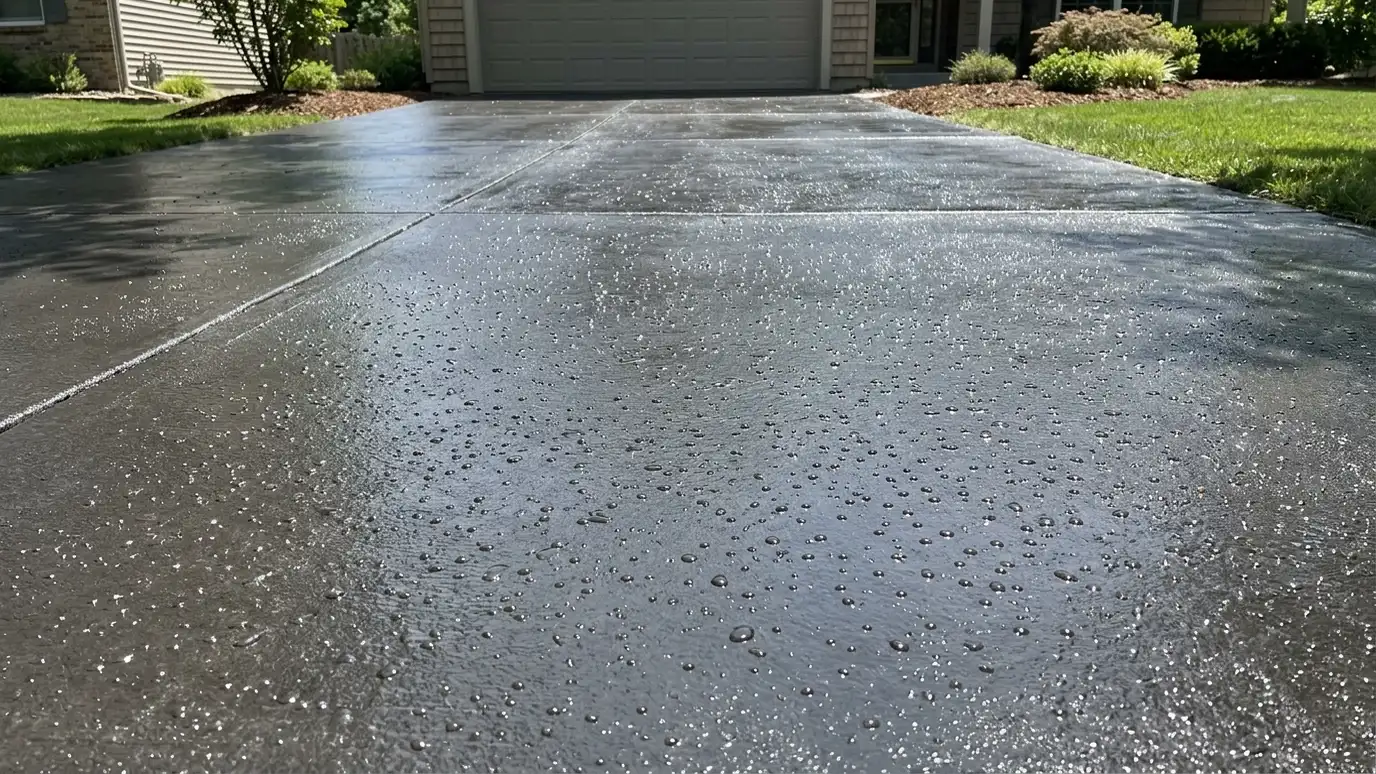
Fall is the best time to seal. Clean the slab, repair damage and apply a quality sealer before freezing weather. Clear leaves and debris that hold moisture.
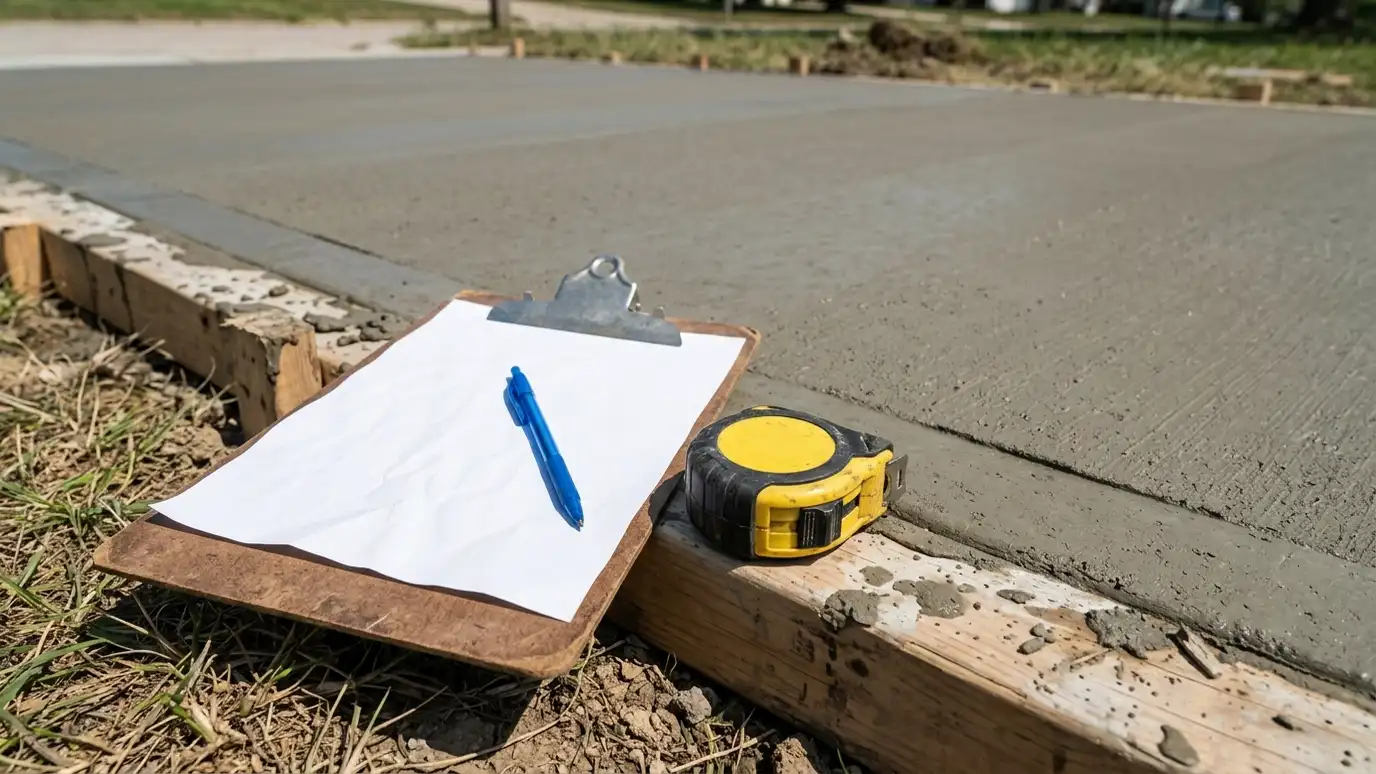
Plan new pours before the weather turns cold.
Winter: protect
Use sand or concrete-safe de-icers, shovel gently and keep drains clear. Avoid salt on young slabs.
Watch for ice at low spots and areas that do not drain.
Every year
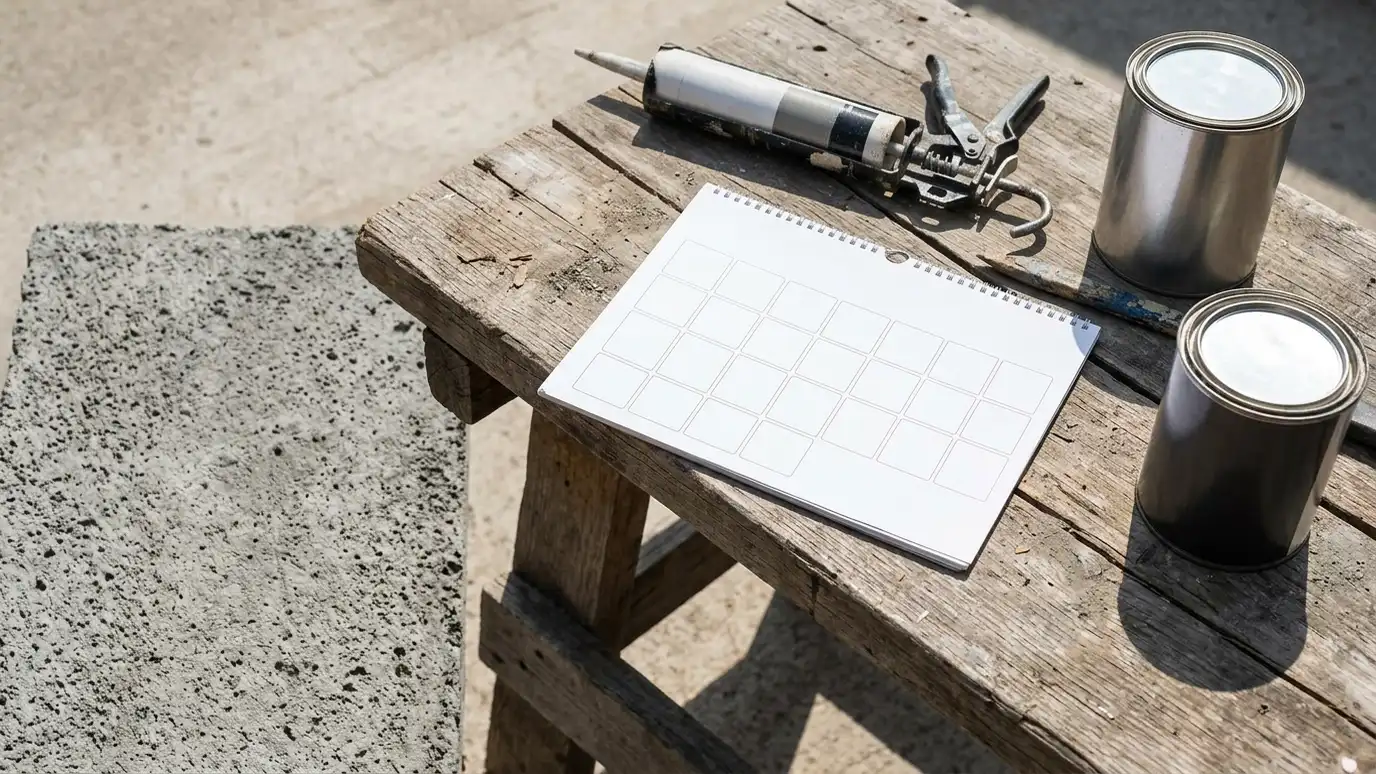
Keep a short log of what you find and fix. Photographs help track cracks over time. Call for help when something is growing or moving.
A yearly routine costs little and saves a lot.
Inspect in spring, clean in summer, seal in fall and protect in winter, and small problems will not become large ones.