Dry is not cured
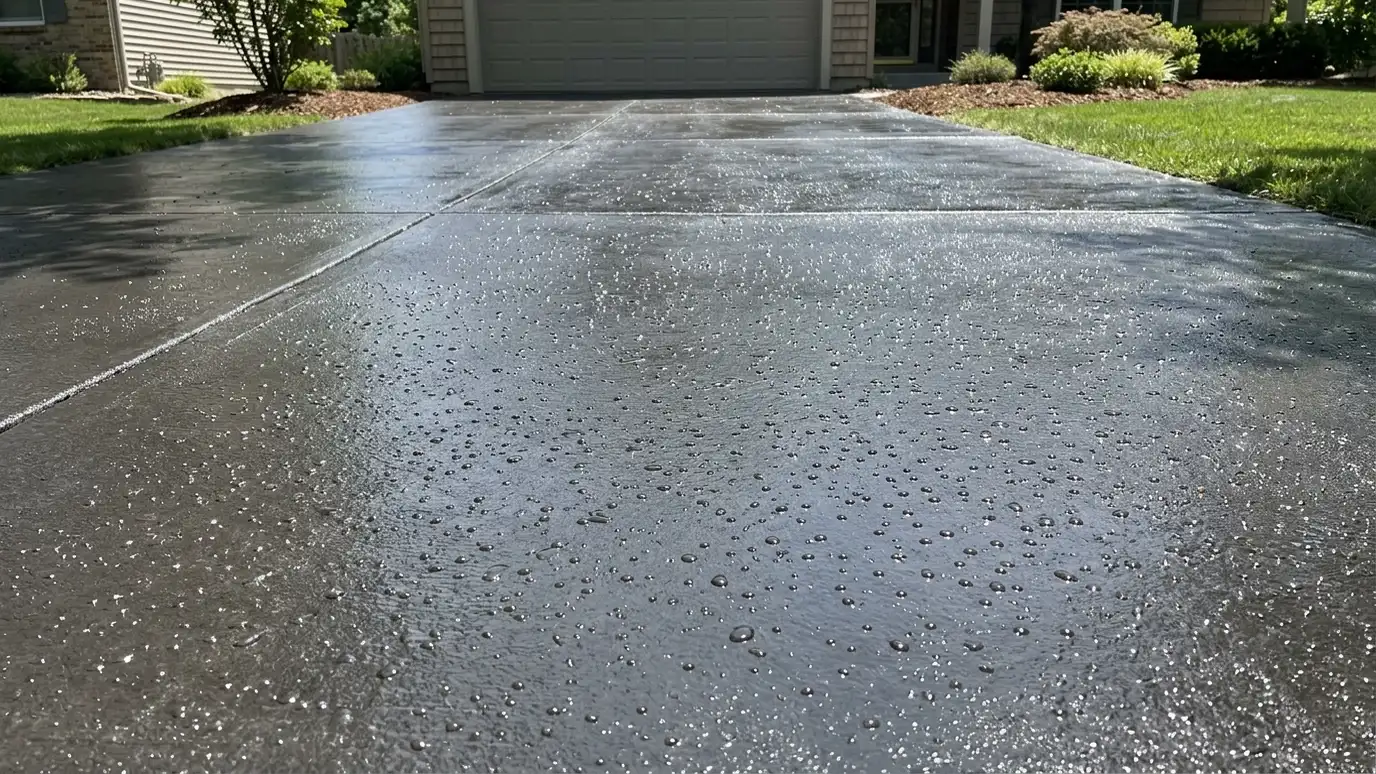
Concrete hardens through a chemical reaction with water, not by drying out. It needs moisture and the right temperature to gain strength. Surface drying too fast can cause cracking and a weak top layer.
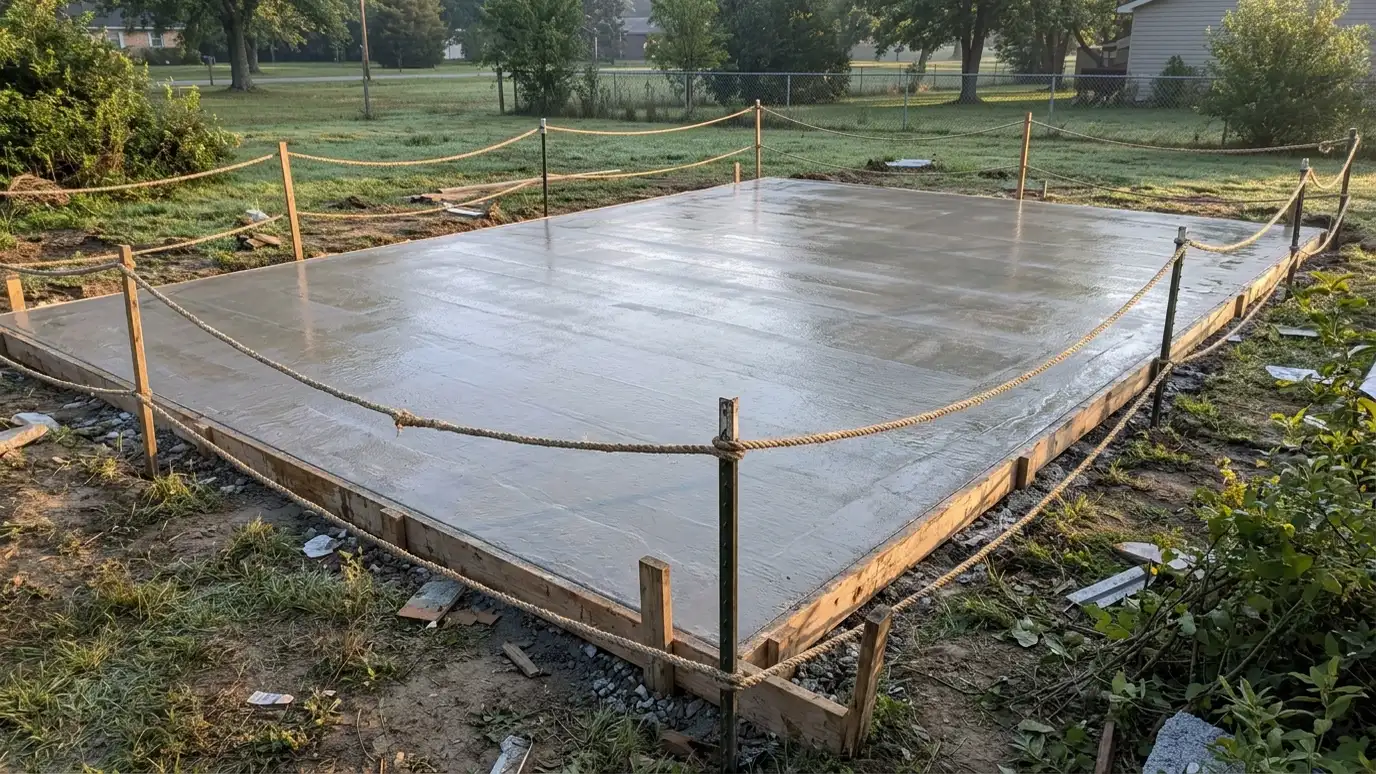
That is why good crews protect fresh concrete from sun, wind and rain.
The typical timeline
Concrete is usually ready for light foot traffic in a day or two. Light vehicles can often use it after about a week. Full design strength comes at about twenty-eight days.
Cool or wet weather slows the timeline, and warm weather speeds it up.
Hot and cold weather
Heat and wind can dry the surface too fast, so crews wet the surface or use curing compounds. Cold weather slows strength gain and fresh concrete must be protected from freezing.
We plan pours around the forecast and say honestly when a delay is wise.
What helps curing
Curing compounds, wet coverings and insulated blankets keep moisture in and temperature steady. Keeping the surface moist for the first few days makes the concrete stronger.
Avoid driving on it, dragging heavy items or using de-icers until the concrete is ready.
When to seal
Most sealers go on after the slab has cured for a period set by the product, often several weeks. Sealing too early traps moisture and can cause cloudiness or peeling.
We tell you when your slab is ready.
Common mistakes
Adding water at the truck, skipping curing, driving on the slab too early and pouring in bad weather are the biggest mistakes. Each weakens the concrete.
A patient start gives a stronger, longer-lasting slab.
Give fresh concrete a few days of protection and a few weeks before heavy loads, and it will repay you with years of service.