Why quotes vary so much
Two quotes for the same driveway can be far apart, and the lower one is not always the better deal. One may include removal of the old slab, a compacted stone base, rebar and a sealed finish, while another leaves out the parts that decide how long the slab lasts. Always ask what is included before you compare totals.
A good quote lists the area, the thickness, the base, the steel, the finish, the removal and cleanup. Vague quotes are where surprises hide.
What drives the cost of new concrete
The biggest drivers are the area and the thickness, since both set the amount of concrete. Base work, steel, forms and finishing labor come next. Decorative finishes such as stamping, staining and exposed aggregate take more skill and time than a broom finish.
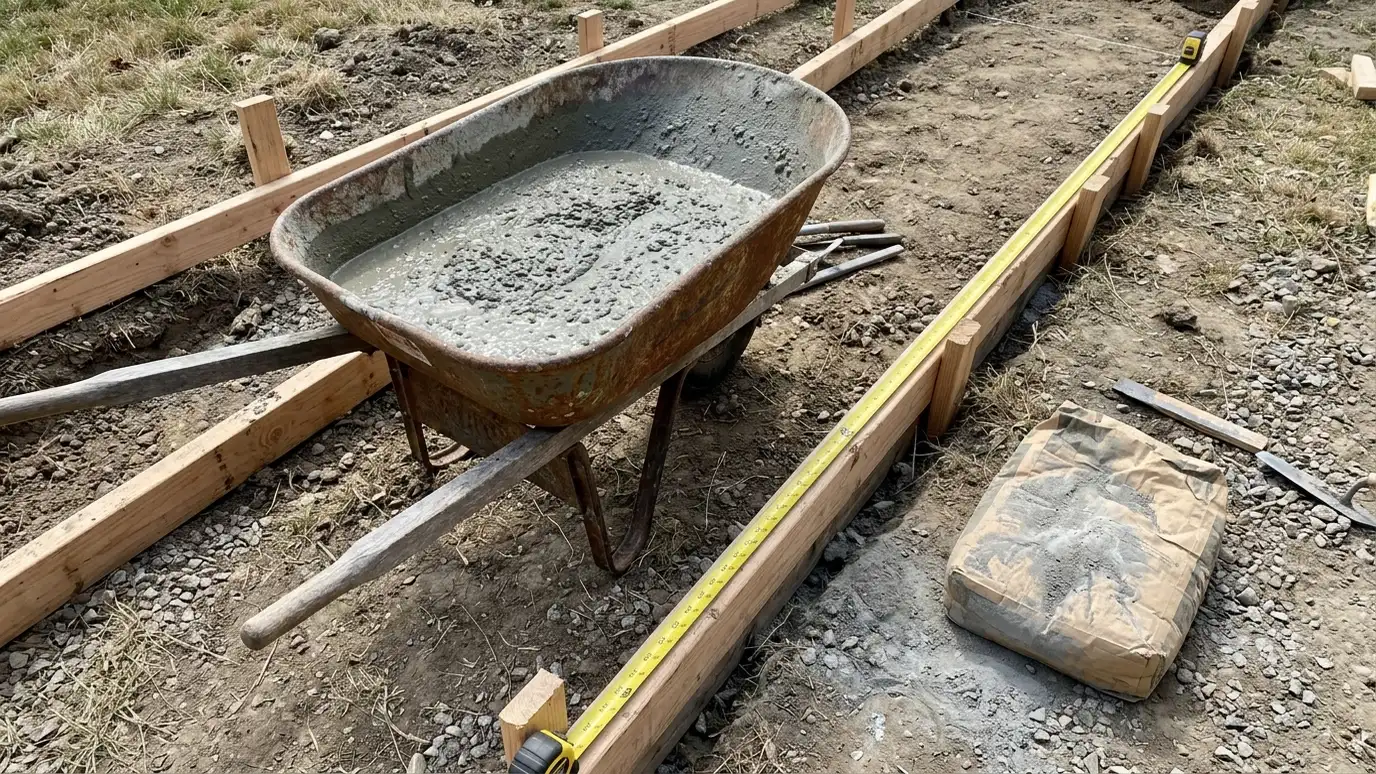
Access counts, too. If a truck cannot reach the site, a pump or wheelbarrows add labor. Slopes, trees, utilities and tight spaces also add time.
What drives the cost of repairs
Repairs are priced by the work and the materials. Filling a crack is quick. Lifting a settled slab takes equipment and materials. Grinding trip hazards and resurfacing worn areas take longer, and replacing a failed section costs more because of demolition and new concrete.
A site visit usually saves money, because it finds the real cause and the right fix the first time.
Extras that add up
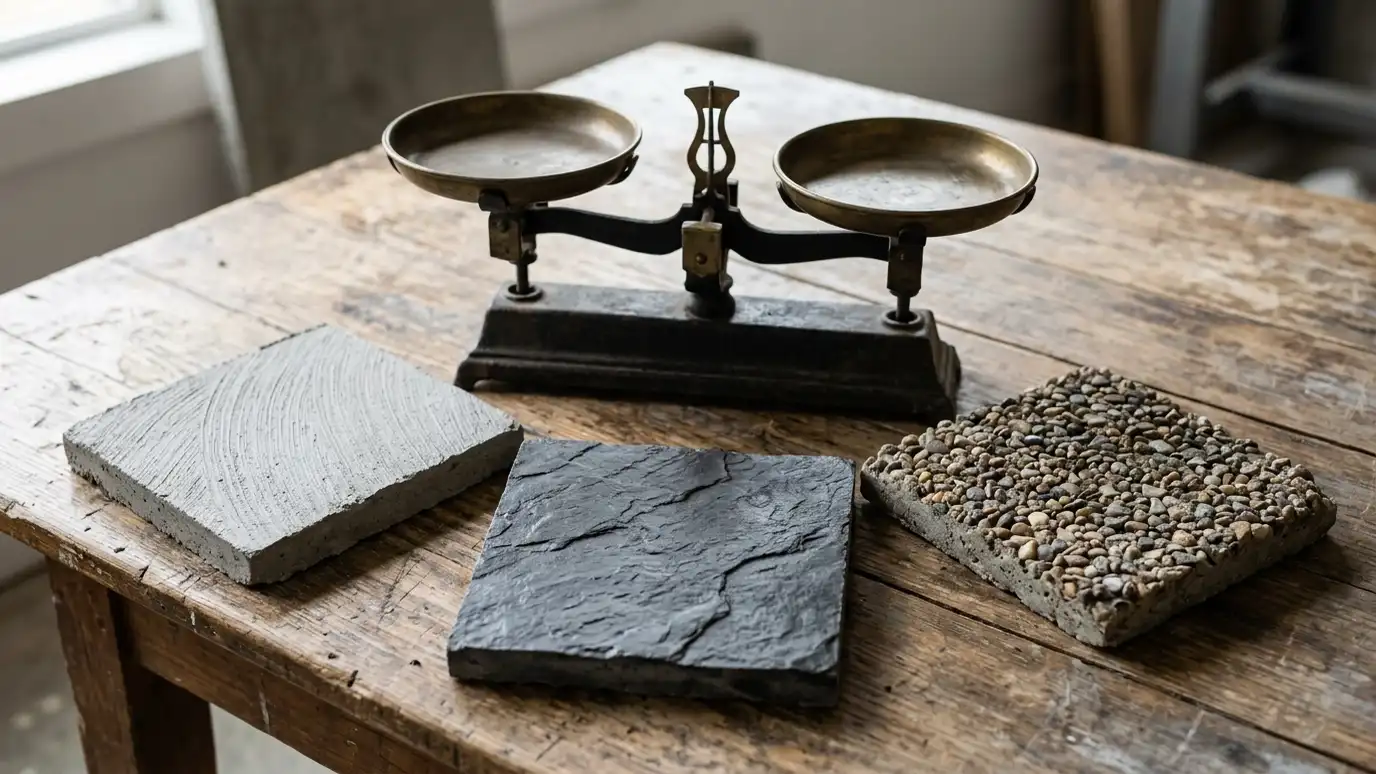
Common extras include color, stamping, exposed aggregate, sealers, thicker slabs for heavy loads, drains, steps and retaining walls. Each can be worth it, and each should be listed on its own line in the quote.
Permits, surveys and HOA submittals vary by location and can add cost.
How to compare proposals
Compare the same things: thickness, base, steel, joints, finish, sealer, removal and schedule. Ask who does the work, how long the concrete is protected during curing and how problems are handled. Be wary of quotes far below the rest.
Ask what happens if a hidden problem turns up, such as soft soil or old footings, and how changes are priced.
Spending wisely
Match the work to the need. A cleaning and sealing may be all a sound slab needs. A repair may restore a section. Full replacement makes sense when the slab is failing or the base is bad.
Our planning tools give ballpark ranges before a visit, and a written scope gives firm numbers after.
Compare what is included and how the slab is built, not just the total, and match the work to the real condition of your site.