Sunken slabs raised back to level with polyurethane foam or cement slurry, filling voids and saving the cost of replacement.
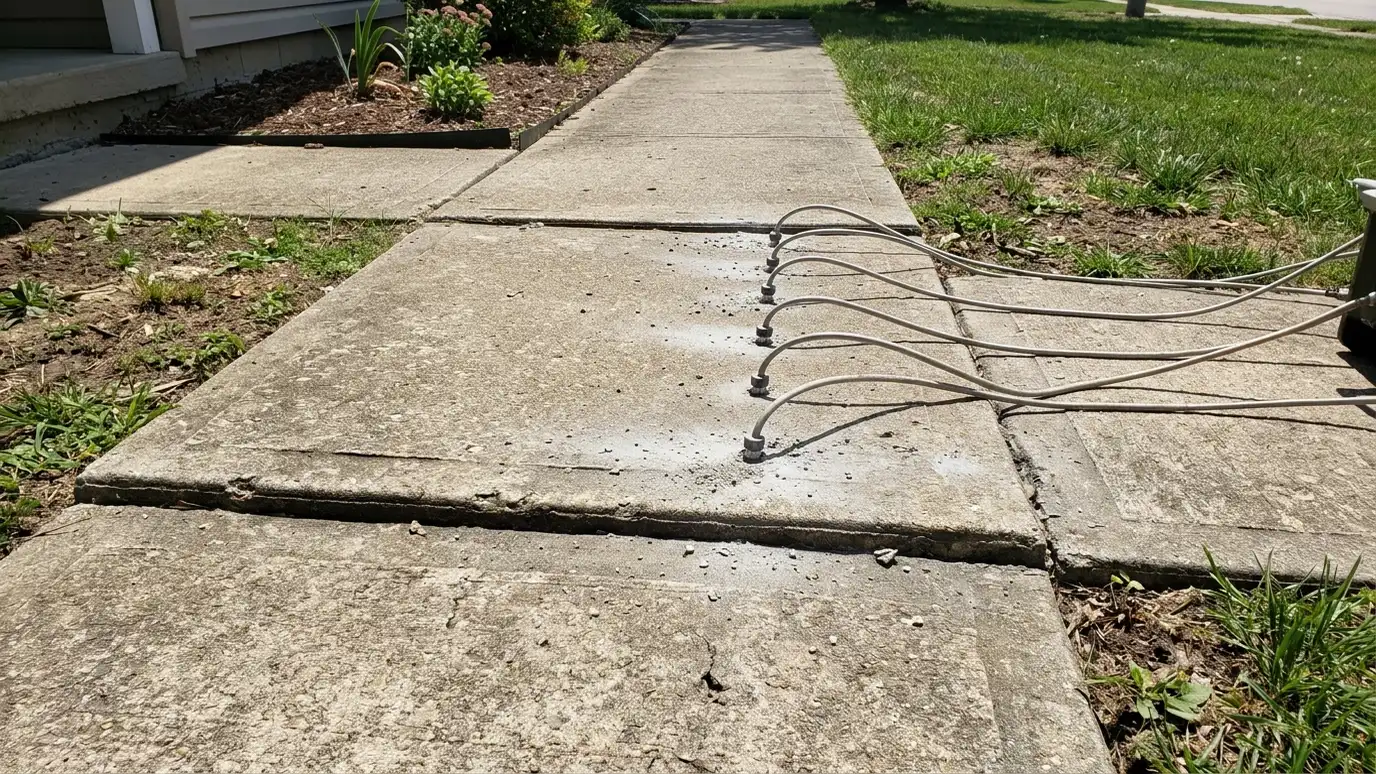
When soil under a slab washes out or settles, the slab drops. Driveways tilt toward the garage, sidewalks become trip hazards and patios slope toward the house. Replacing the slab is costly and messy. Concrete leveling, also called slab jacking or lifting, offers another path: small holes are drilled in the slab and material is pumped under it to fill voids and raise it back into place. In a Nashville neighborhood built on fill and clay, this method is often the best value.
There are two main methods. Polyurethane foam is lightweight, cures in minutes and can be used on thick or thin slabs, with small holes. Cement slurry, also called mudjacking, is heavier and cheaper, with slightly larger holes. We assess the slab, the cause of the settling and the loads, then recommend one. After lifting, holes are patched, and we address drainage so the soil does not wash out again. Leveling does not repair cracks in the slab itself, so we tell you what remains.
Material pumped under the slab fills gaps and supports it, so it does not rock or sink again.
Foam is lighter and faster, and slurry is heavier and often cheaper. We recommend what fits.
Holes are patched, and many slabs can be used the same day or the next.
Drainage changes help keep the soil from washing out again.
Drag the handle to compare.
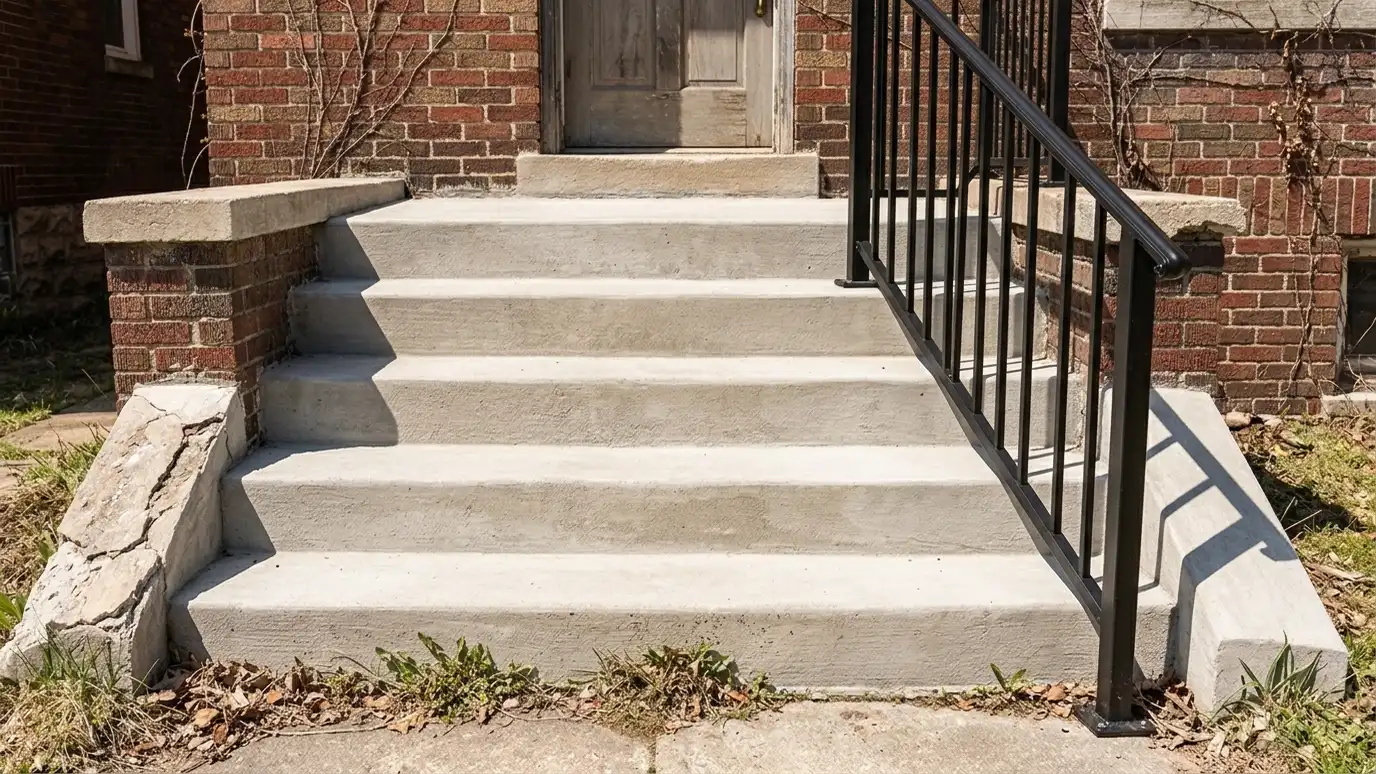
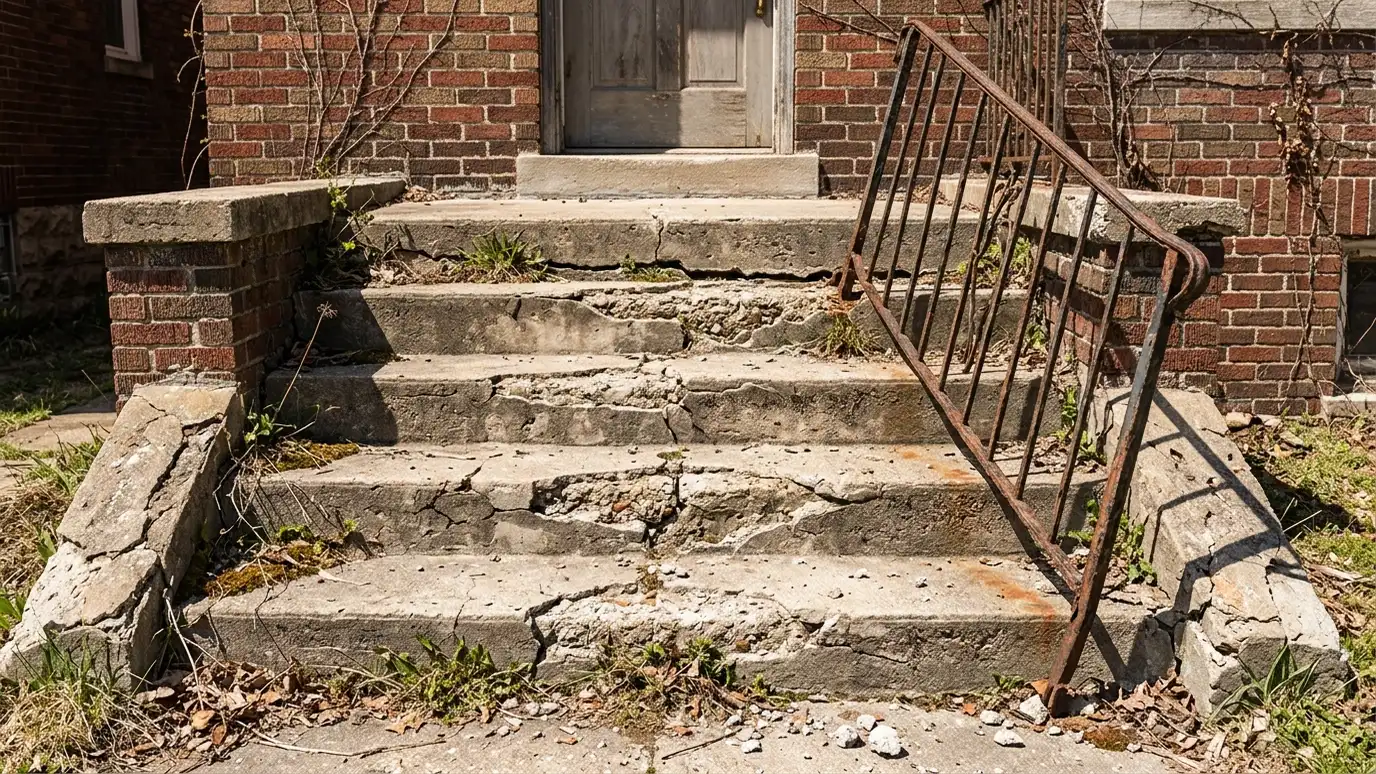 BeforeAfter
No demolition.
Stops rocking.
Often same day.
Versus replacing.
Honest choice.
Prevent a repeat.
Every topic has its own page with what to expect and how we approach it.
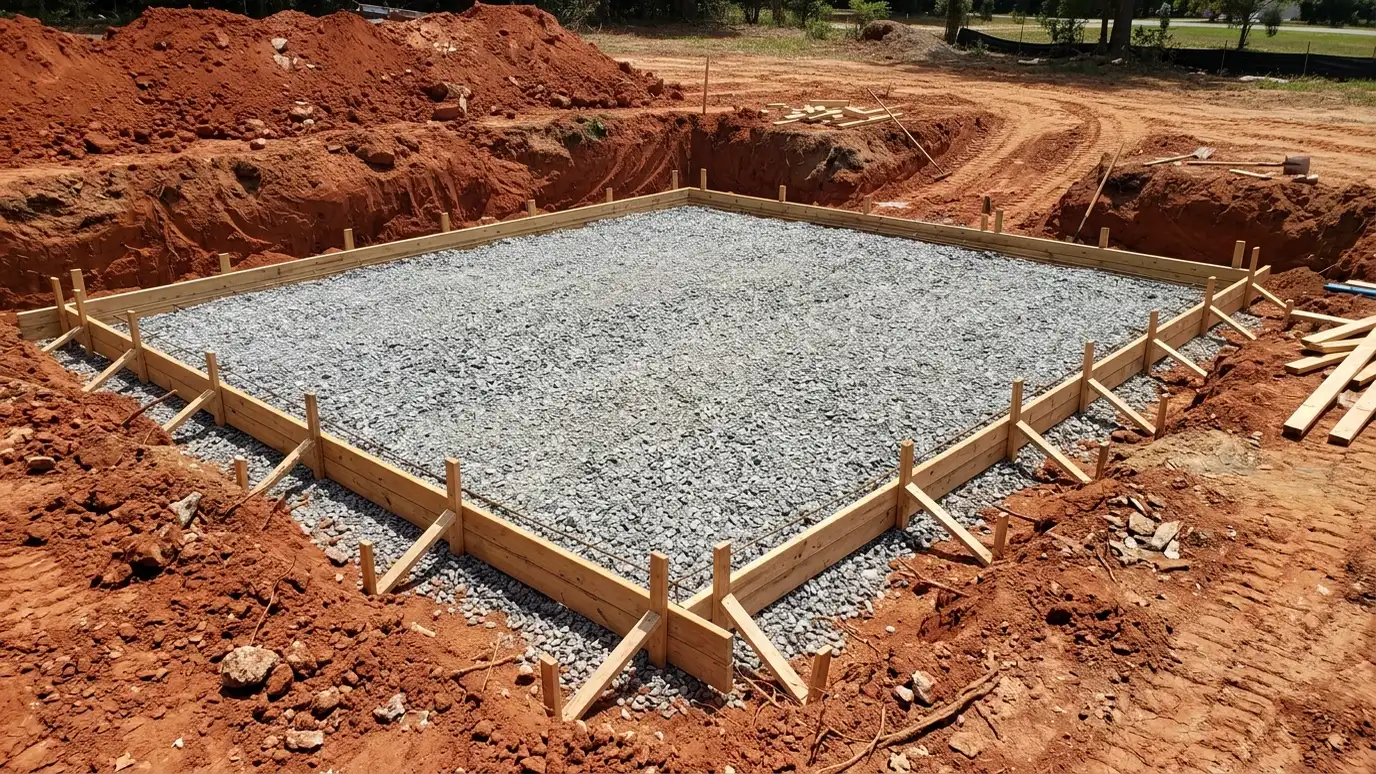 Site situationRed Clay and Poor SoilRed clay swells when wet and shrinks when dry. Here is how a good base keeps concrete from…Learn more
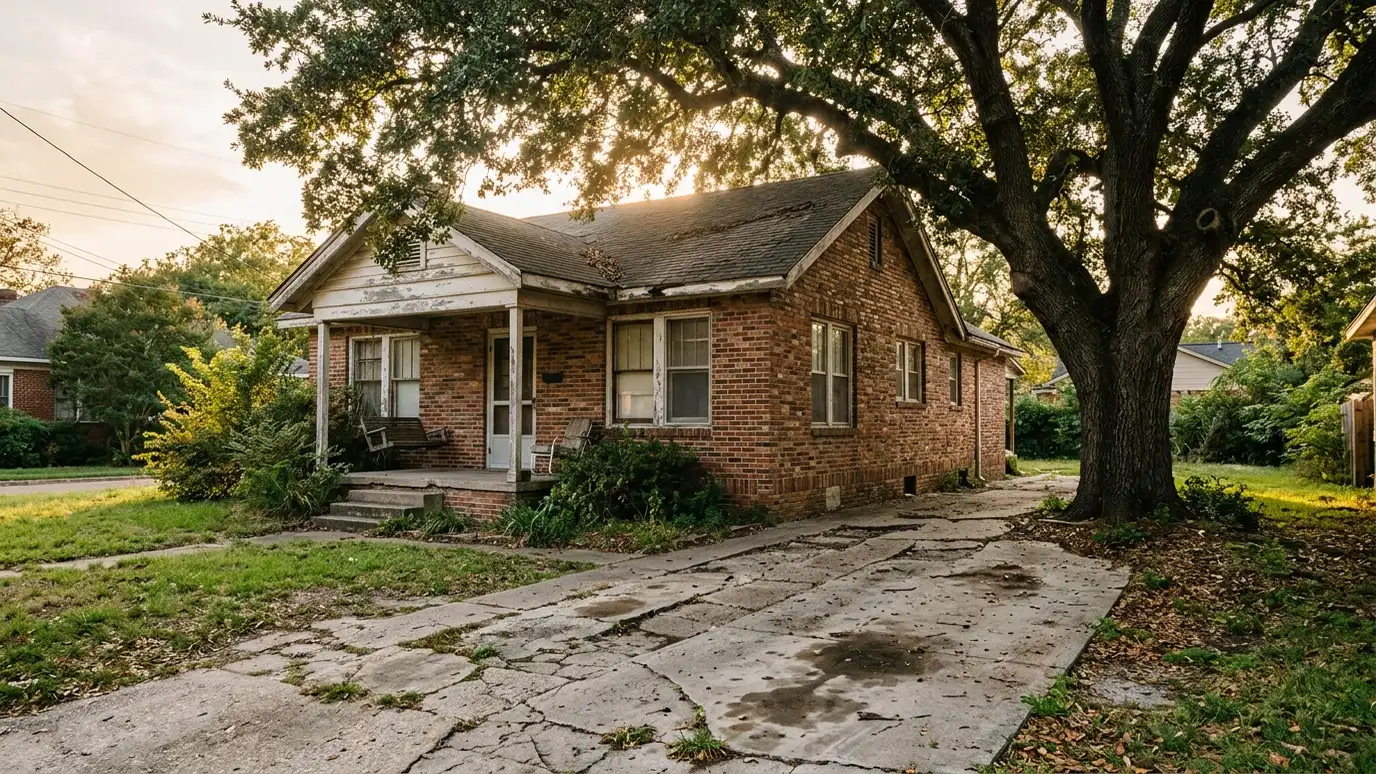 Site situationOlder Homes and Cracked ConcreteOld slabs crack, settle and stain. Here is how to decide between repair, lifting, resurfacing and replacement.Learn more
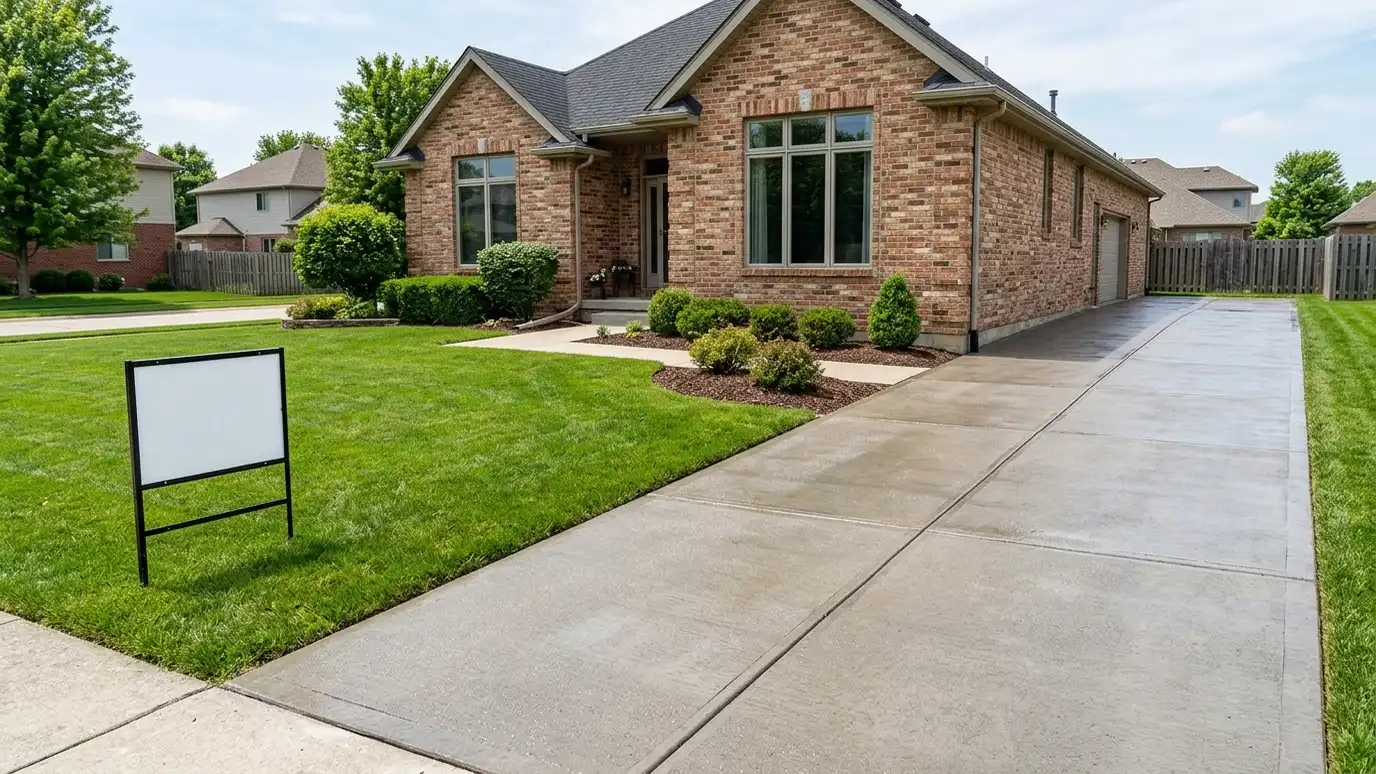 Site situationSelling Your HomeCracked, stained or uneven concrete hurts curb appeal. Here is how smart repairs and finishes help a home…Learn more
Check the signs you see in your concrete and get a likely cause with the next step.
You tell us about your site and what you want, new concrete, a repair or a refresh, and we set a visit that fits your day.
We walk the property, measure the area, check drainage, soil and access, look at any old concrete and take photos of anything of note.
We explain your options for thickness, steel, finishes and colors, sketch the layout and give you a written scope with clear timing and pricing.
We arrange for underground utilities to be located, protect the house, lawn and landscaping, remove old concrete if needed and compact a stone base.
We set forms and steel, check heights and slopes, place and finish the concrete and cut joints, with the crew on site from the first truck to the last pass.
We protect the concrete as it cures, clean up the site, walk you through when to use it and seal it, and set a reminder for your next check.
Most can, if the slab itself is intact. Badly broken slabs may need replacement.
It can last many years, especially when the cause of settling is addressed.
Often right away for foam, and within hours or a day for slurry.
It lifts the slab, but it does not repair cracks. We can seal them after.
Often, yes, and it is cleaner and faster. We compare both for you.
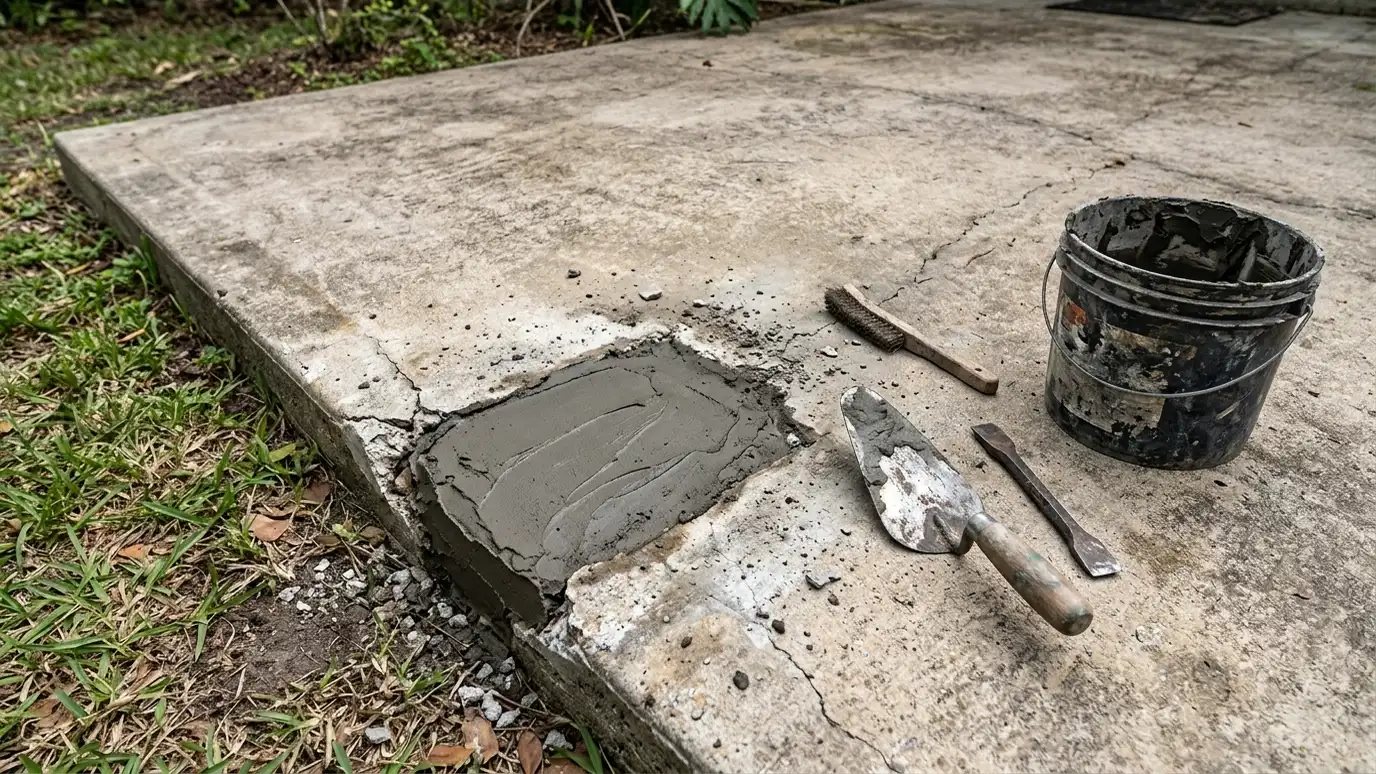 Patio RepairCracked, sunken, stained or flaking patios repaired and renewed so they are safe, level and good-looking again.Explore
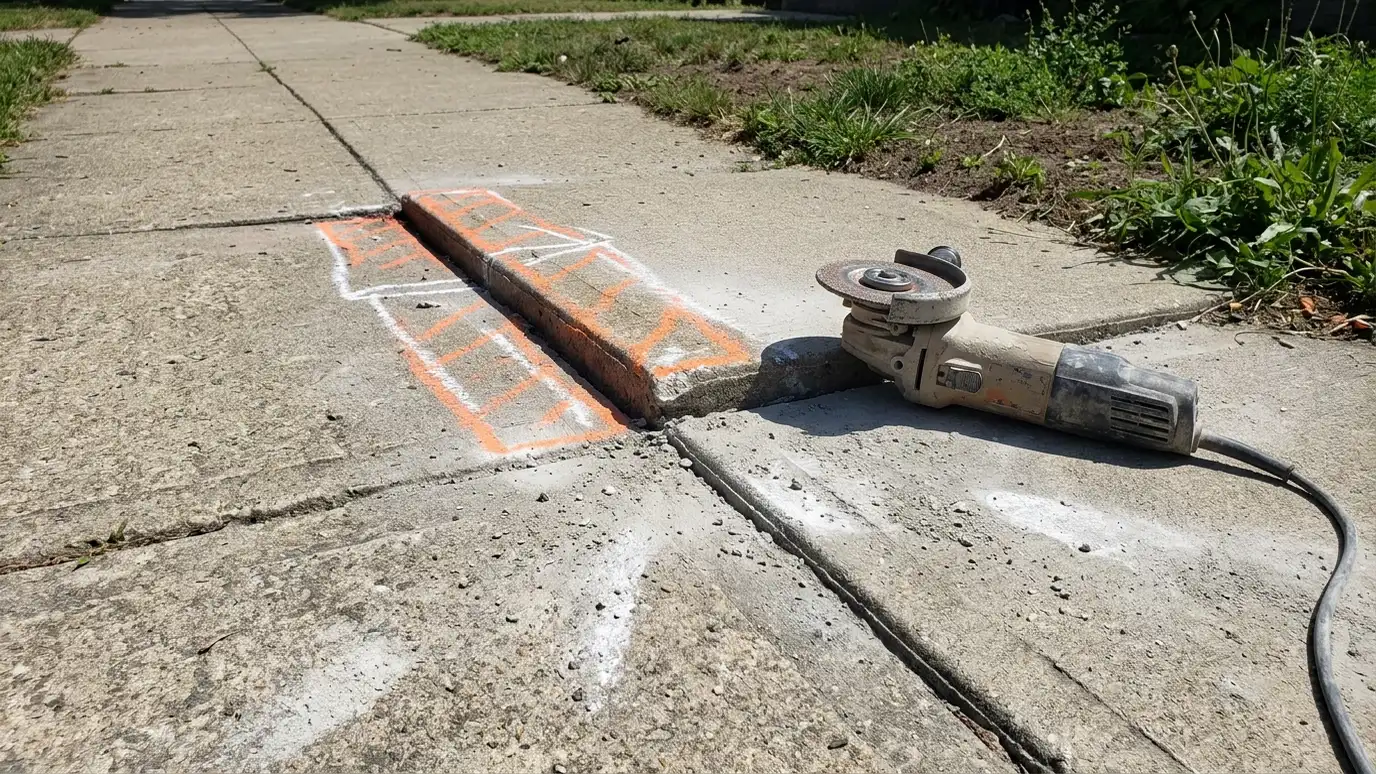 Sidewalk RepairSafe, level sidewalks again: trip hazards removed, slabs lifted or replaced and cracks sealed.Explore
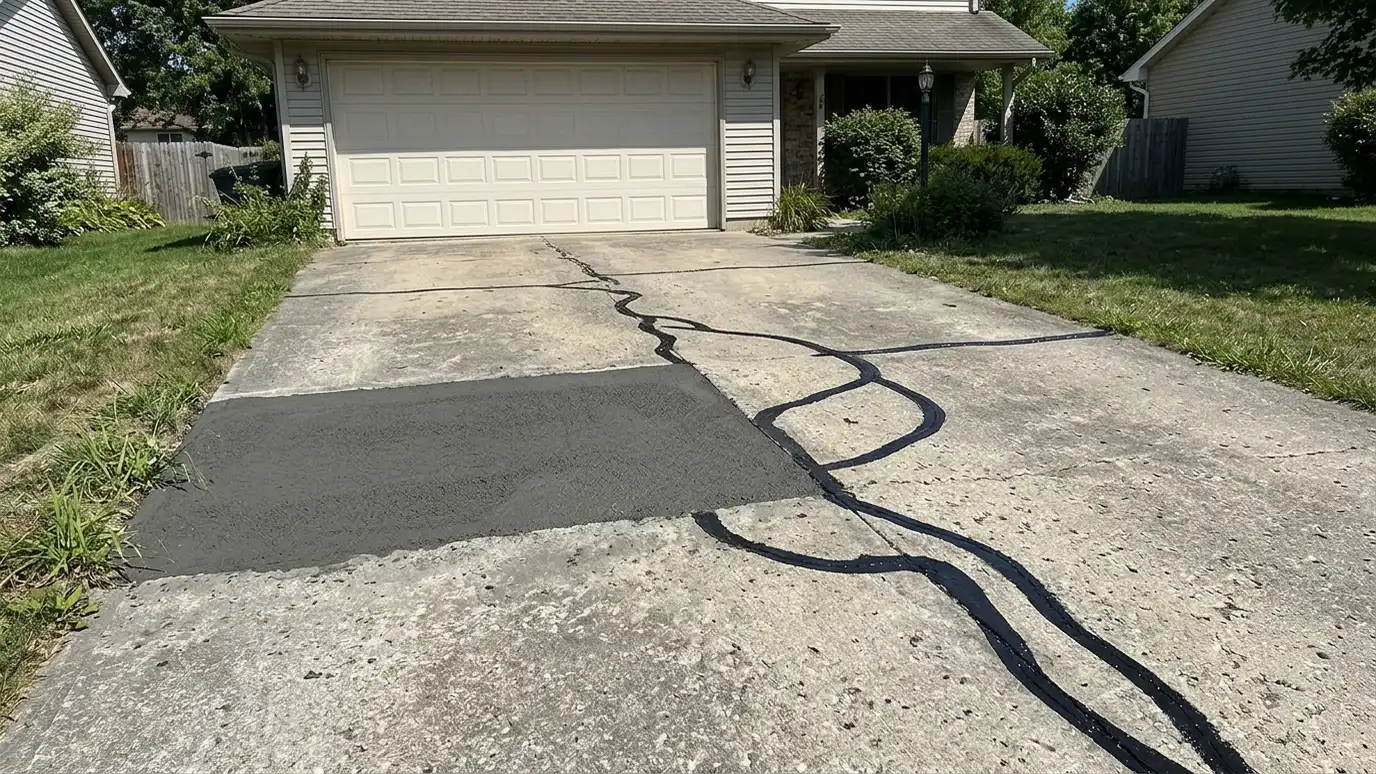 Driveway RepairRepairs for cracked, sunken, scaled and crumbling driveways, from crack filling and leveling to partial replacement.Explore
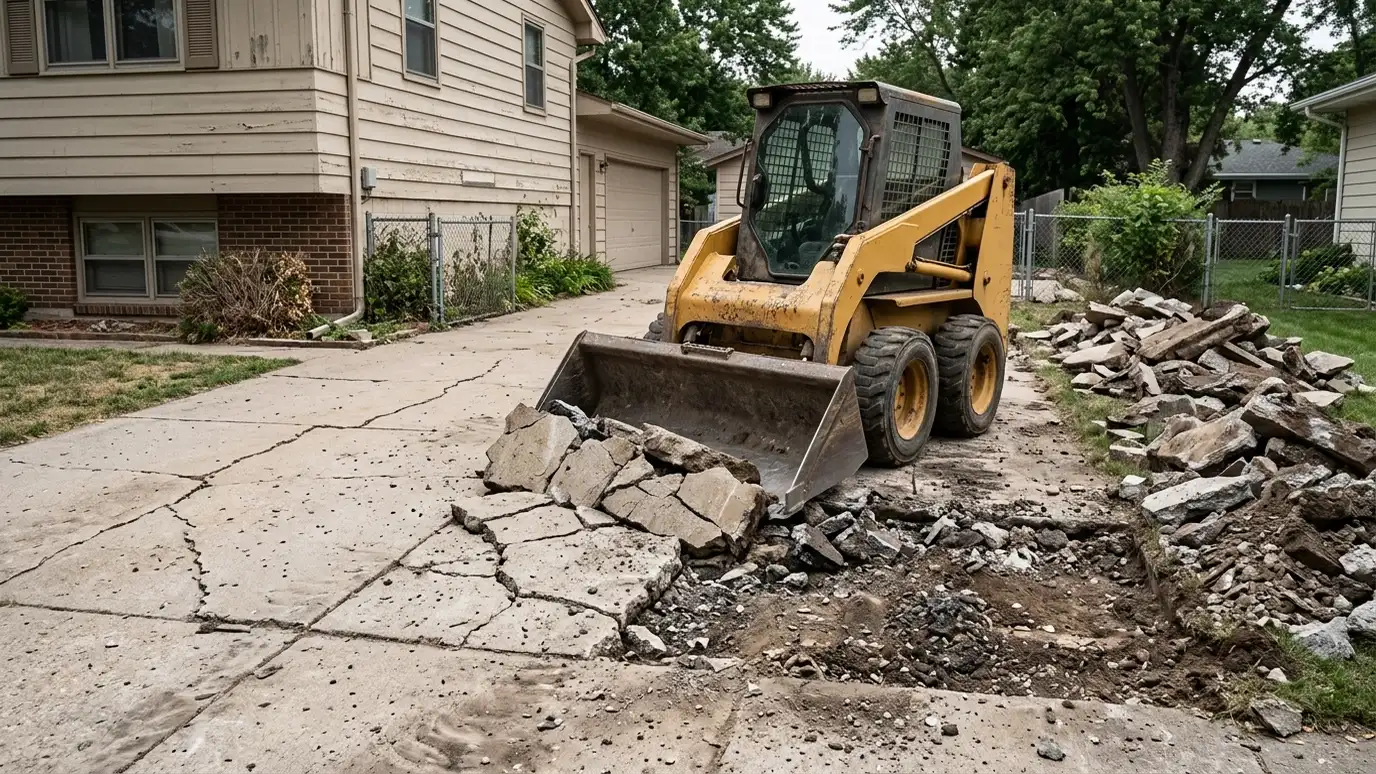 Removal and ReplacementCareful demolition, haul-off and new pours for slabs that are too damaged to repair, with a better base…Explore
Tell us about the project and we will call you back to talk it through.
Or call (615) 357-7797 to talk now.