Trucks, trailers and RVs need more than a basic slab. Here is how thickness, steel and base work add up.
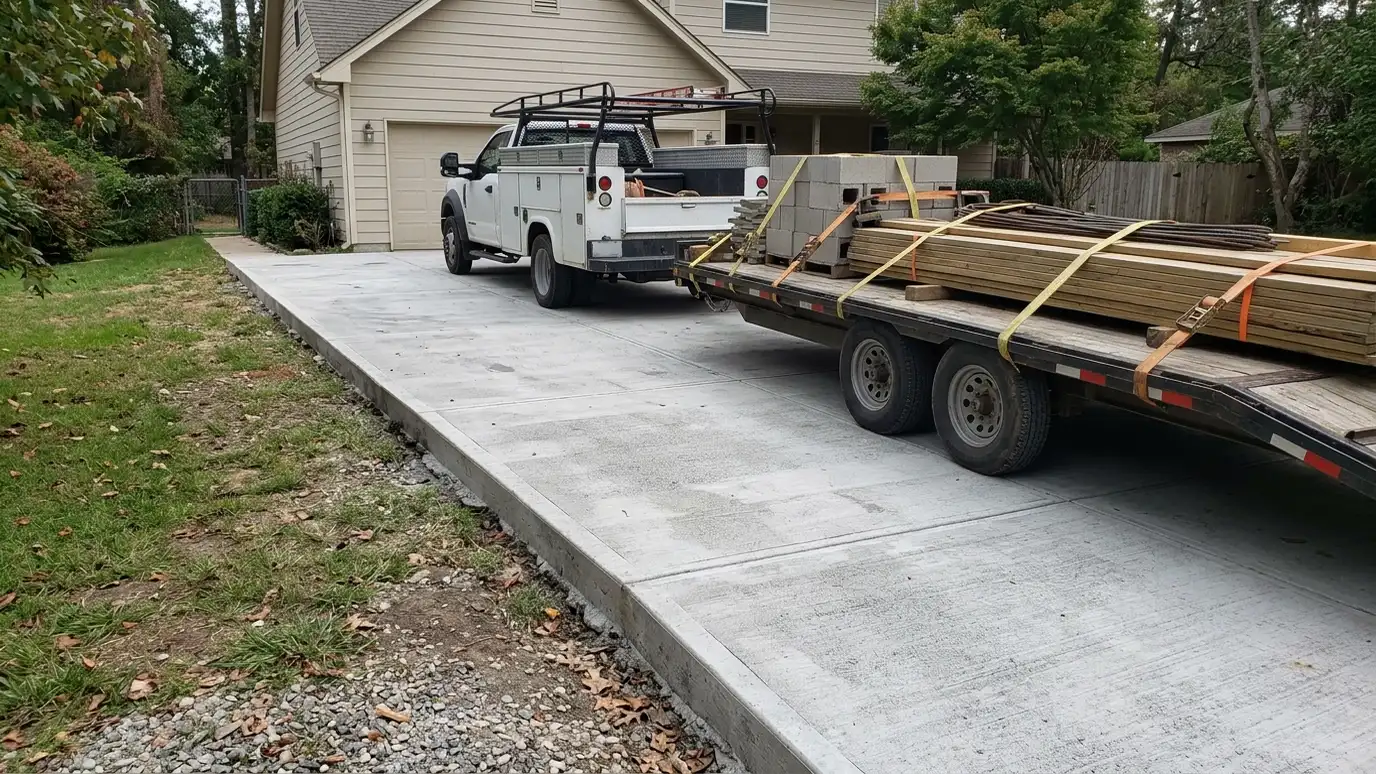
A driveway that sees a pickup now and then needs a very different slab from one that carries a loaded trailer, a work truck or an RV every day. Thin concrete over a soft base cracks under repeated weight, and the cracks widen with every winter. Heavy loads also stress the apron, the turn and any place where tires pivot.
We size the slab for the traffic. That can mean thicker concrete, a stronger mix, rebar instead of light wire, a deeper stone base and joints placed to control cracks. Aprons and turning areas get extra attention, since they take the most abuse. We explain the cost of each upgrade so you can match the slab to how you really use it.
Thicker where needed.
Control the cracks.
Stable under weight.
Higher strength.
Where tires pivot.
Match use to cost.
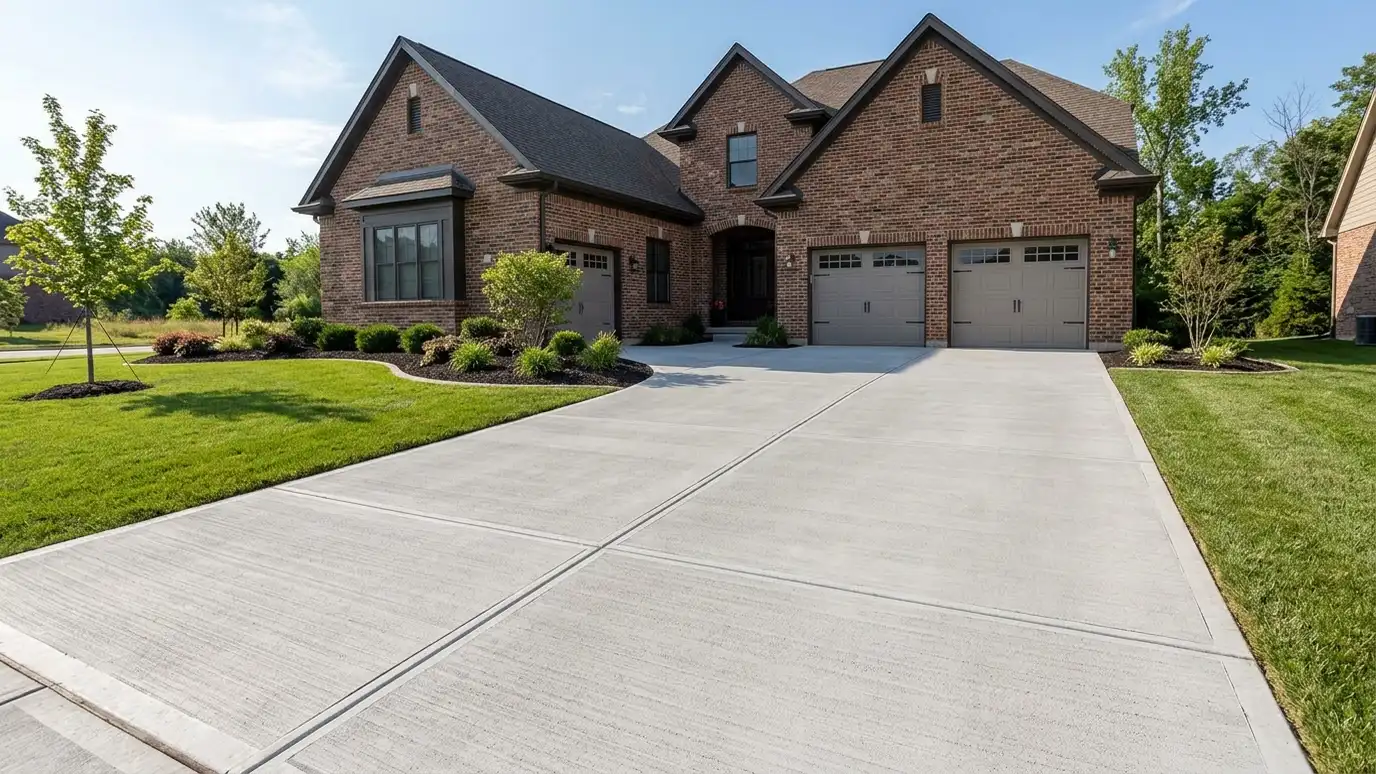 Concrete DrivewaysNew concrete driveways poured on a compacted base with the right thickness, reinforcement and joints to carry your…Explore
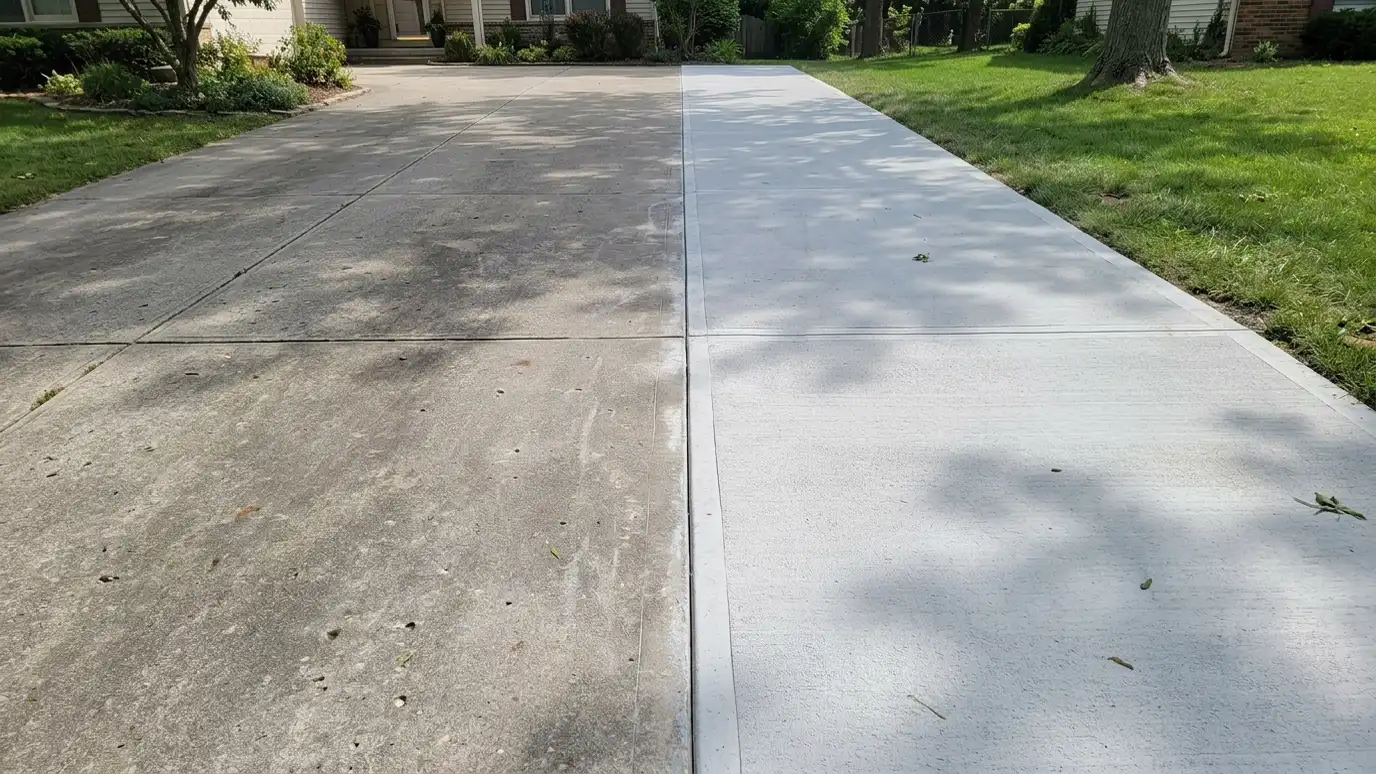 Driveway WideningWider and longer driveways that blend with your existing concrete, with clean joints and a base that supports…Explore
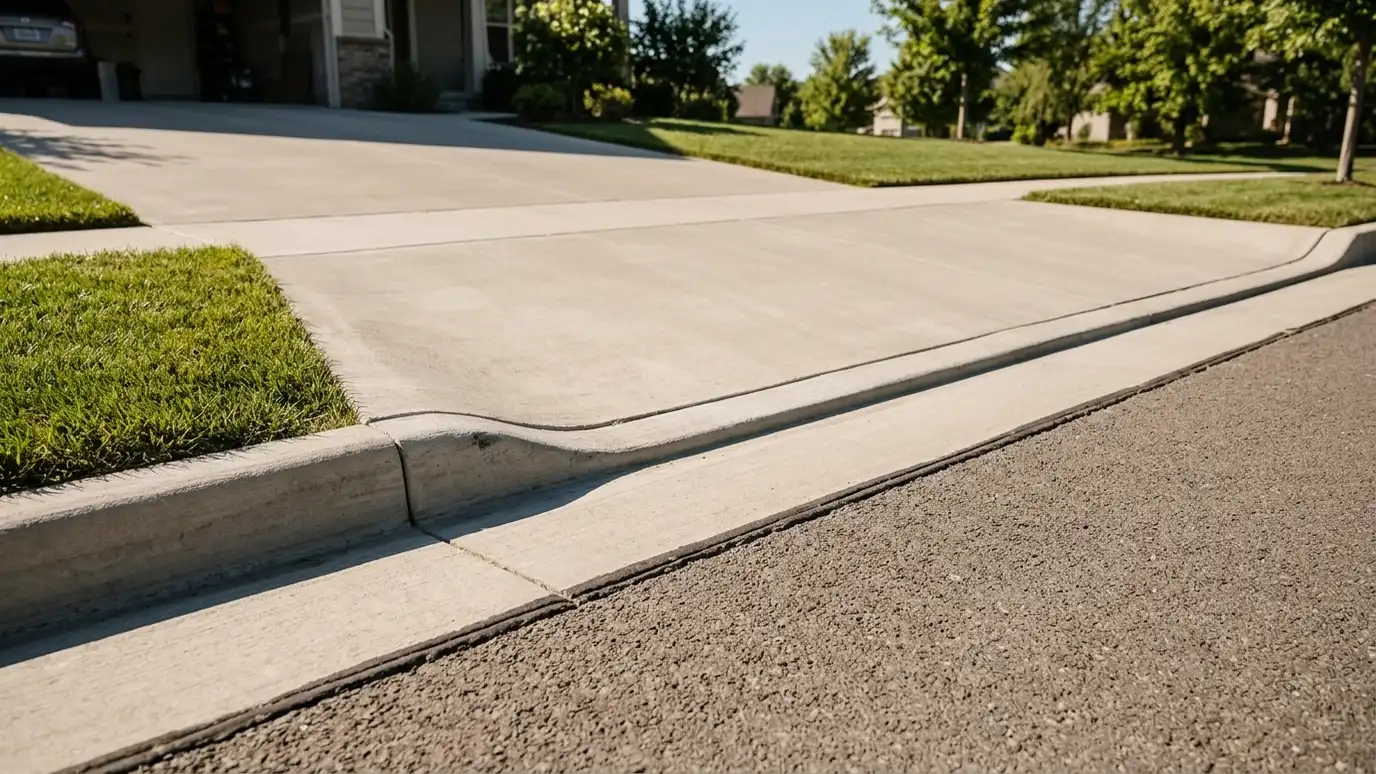 Curbs and ApronsDriveway aprons, curbs and gutters poured to the right profile for drainage, clean edges and long wear.Explore
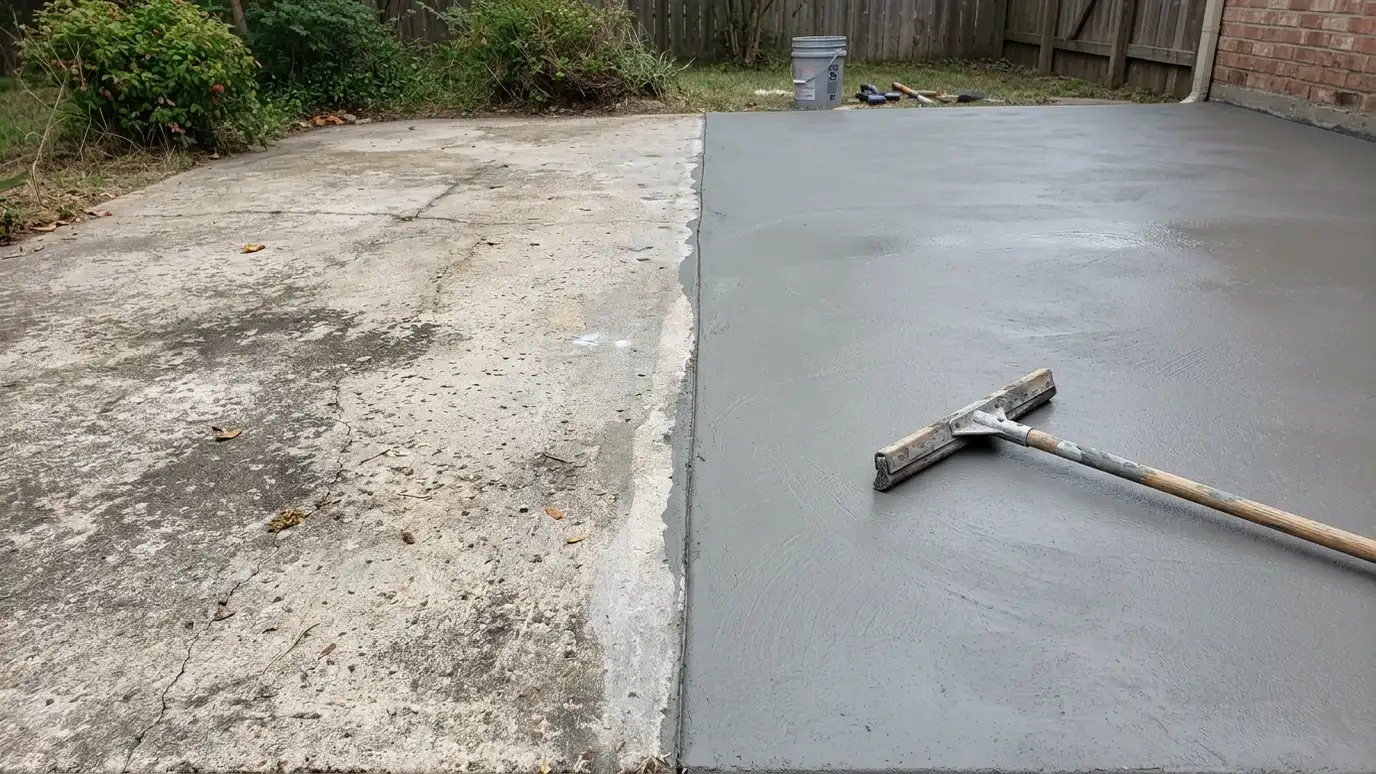 Concrete ResurfacingThin resurfacing systems that smooth rough, pitted or scaled concrete and give it a fresh, uniform face.Explore
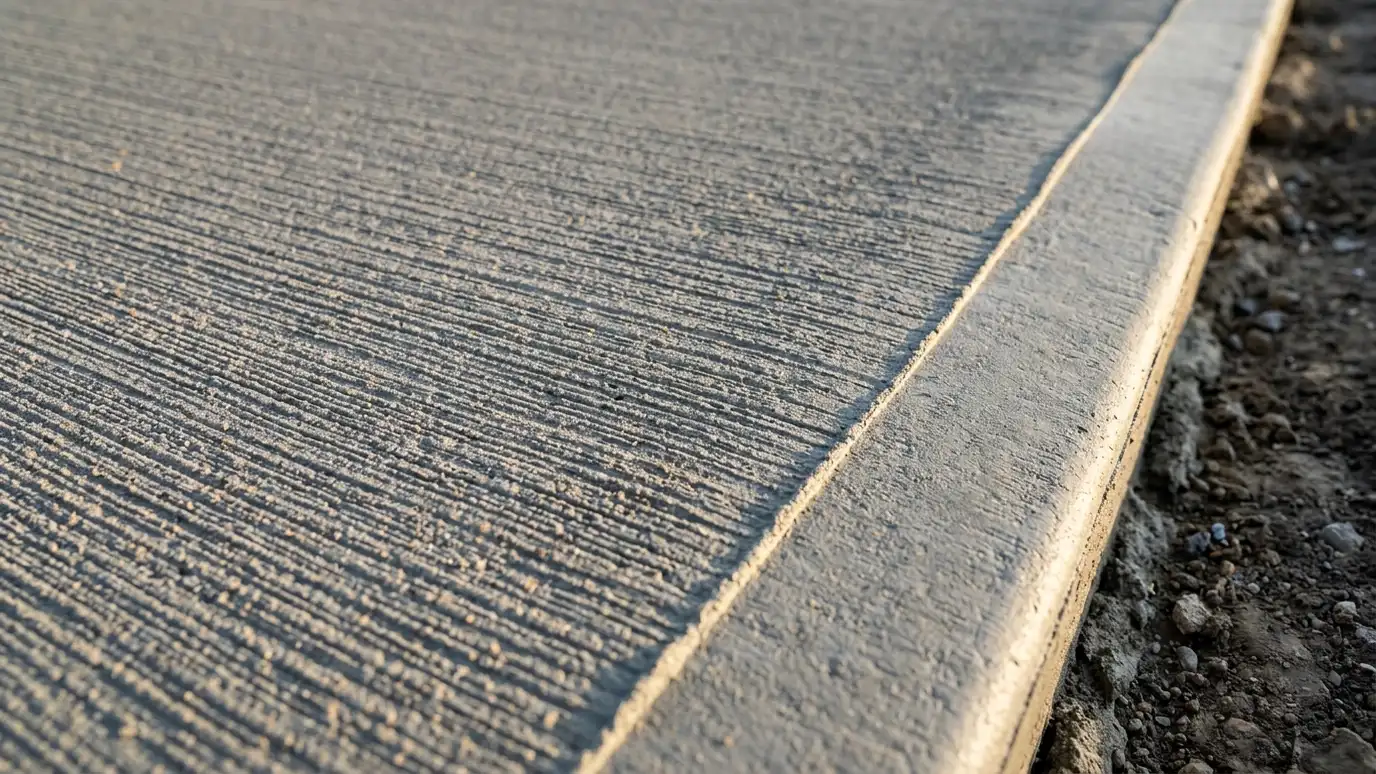 Broom and Textured FinishesSimple, durable broom and textured finishes that give grip on driveways, walks and ramps at a friendly price.Explore
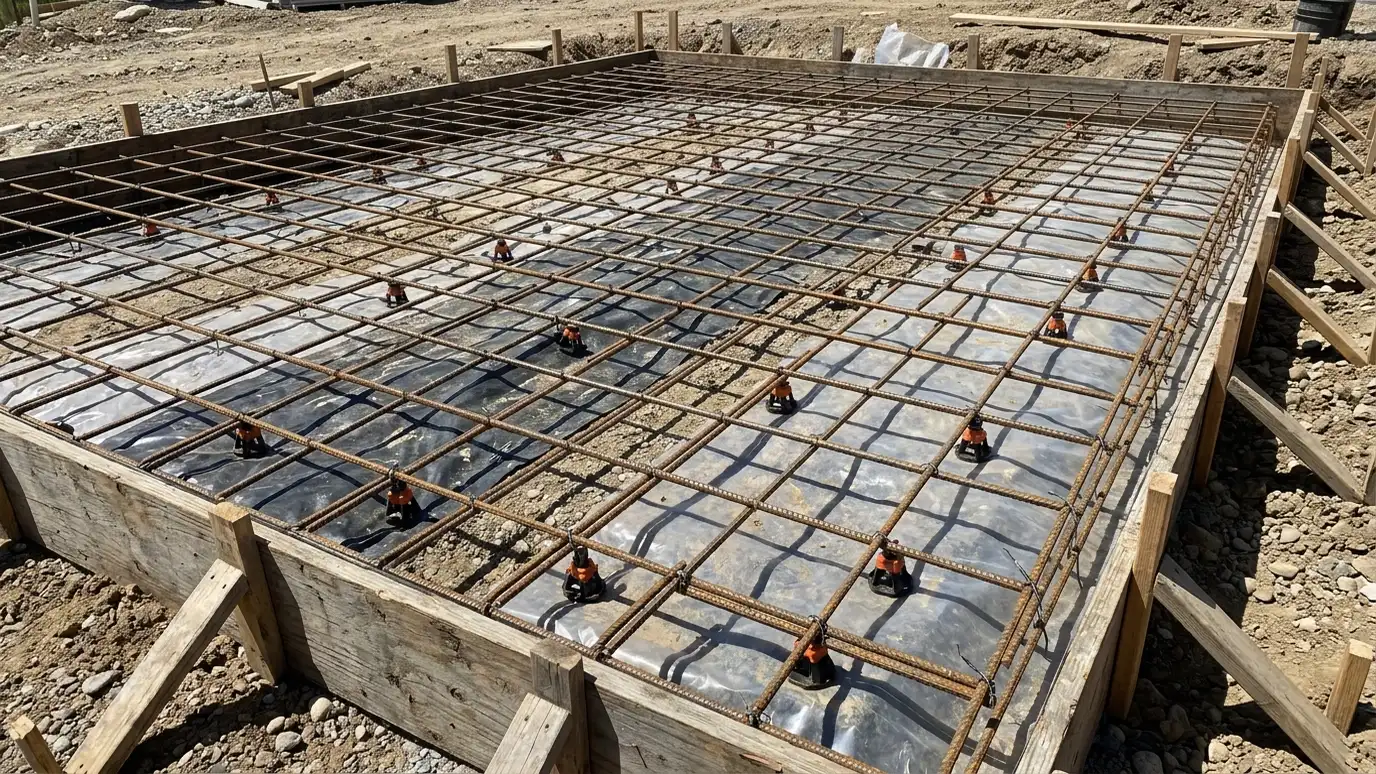 Rebar and ReinforcementRebar, wire mesh and fiber placed correctly in slabs, footings and walls, supported and covered so it does…Explore
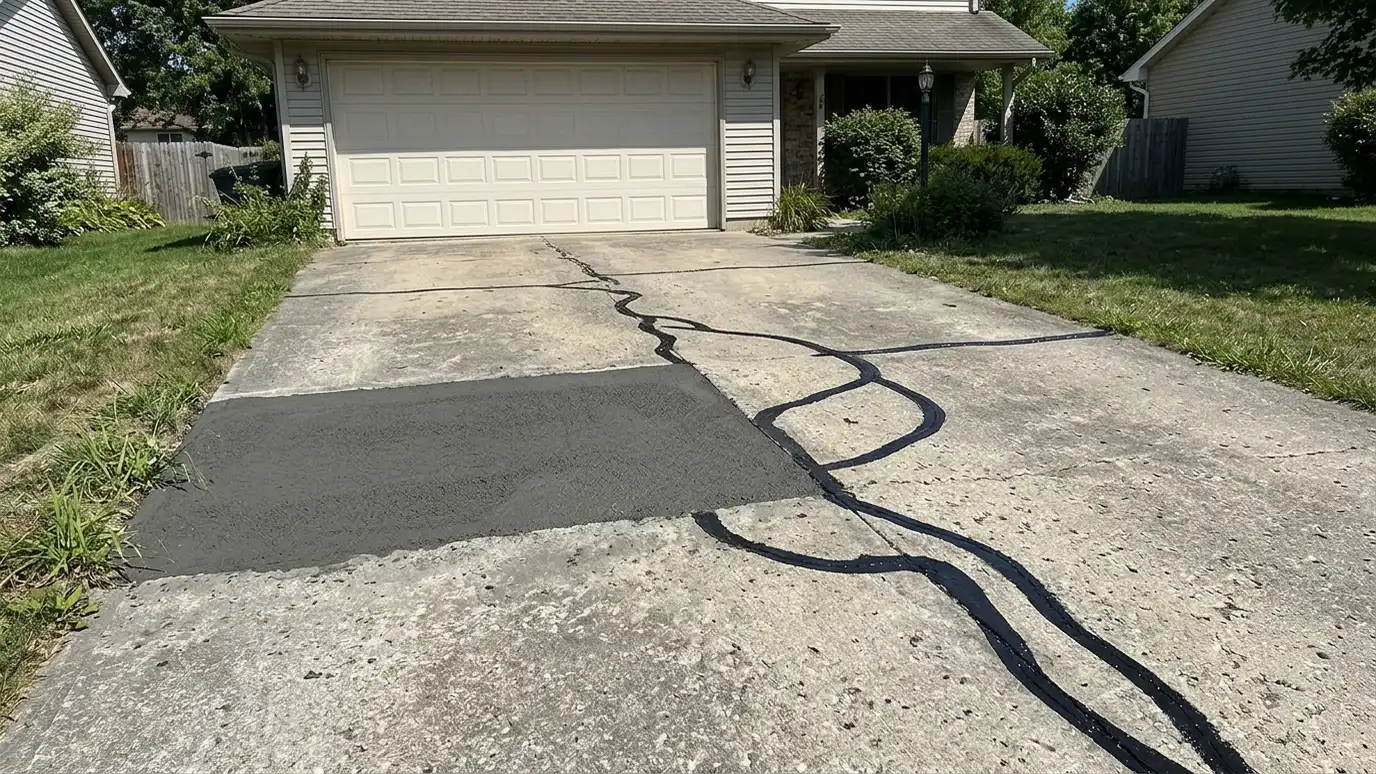 Driveway RepairRepairs for cracked, sunken, scaled and crumbling driveways, from crack filling and leveling to partial replacement.Explore
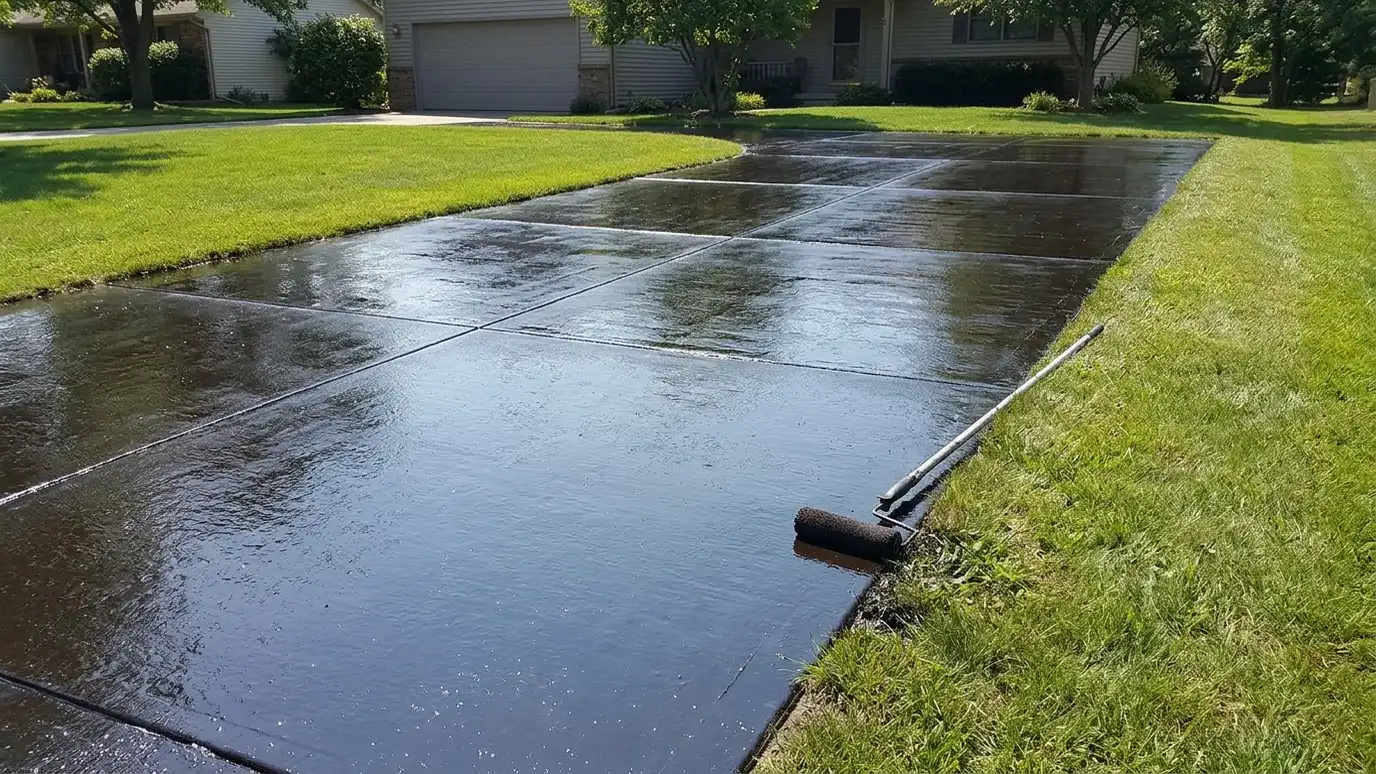 Driveway SealingQuality sealers that protect concrete driveways from stains, water, salt and sun, and bring back a clean, even…Explore
Take the quiz, check a problem or ballpark a budget.
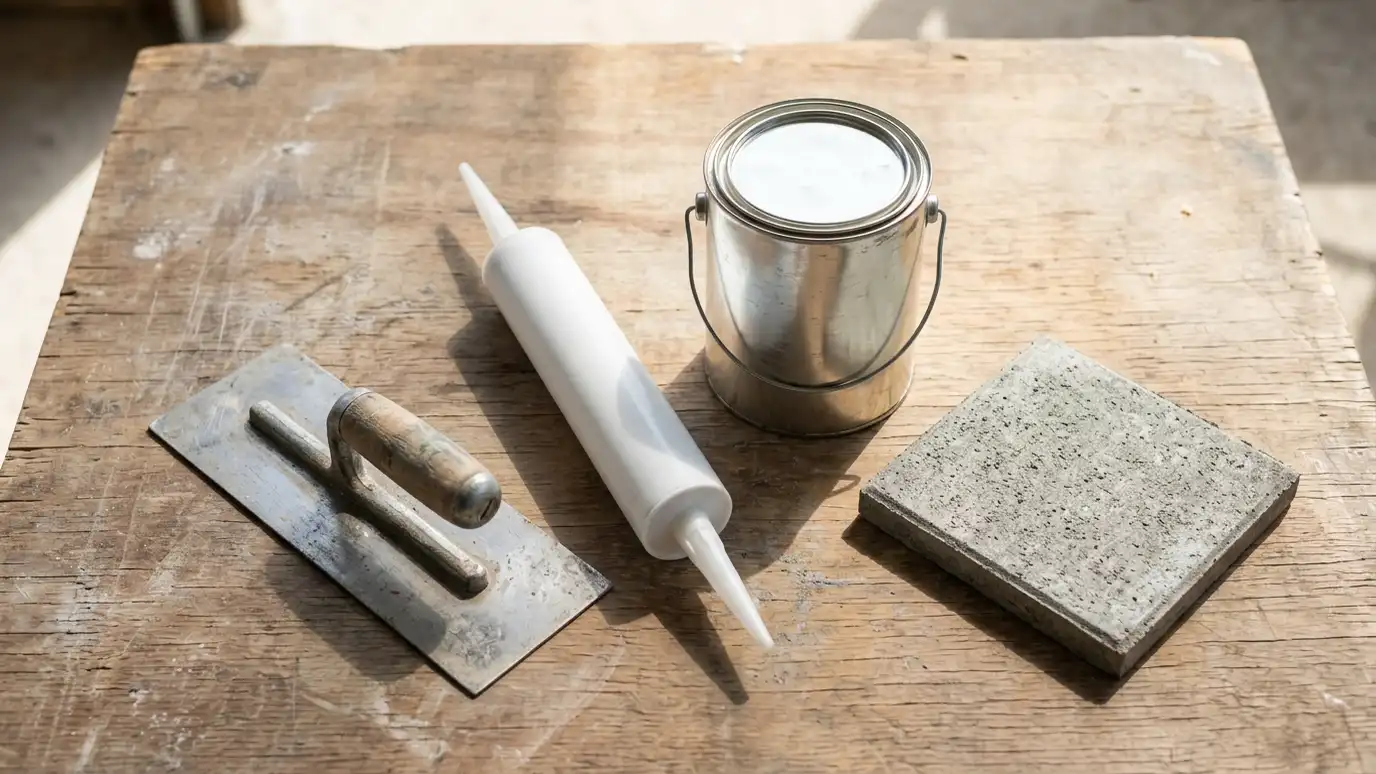 Which Concrete Service Do I Need? QuizAnswer five questions about your slab, your site and your goals to see whether you need repair, lifting, resurfacing or replacement.Try it
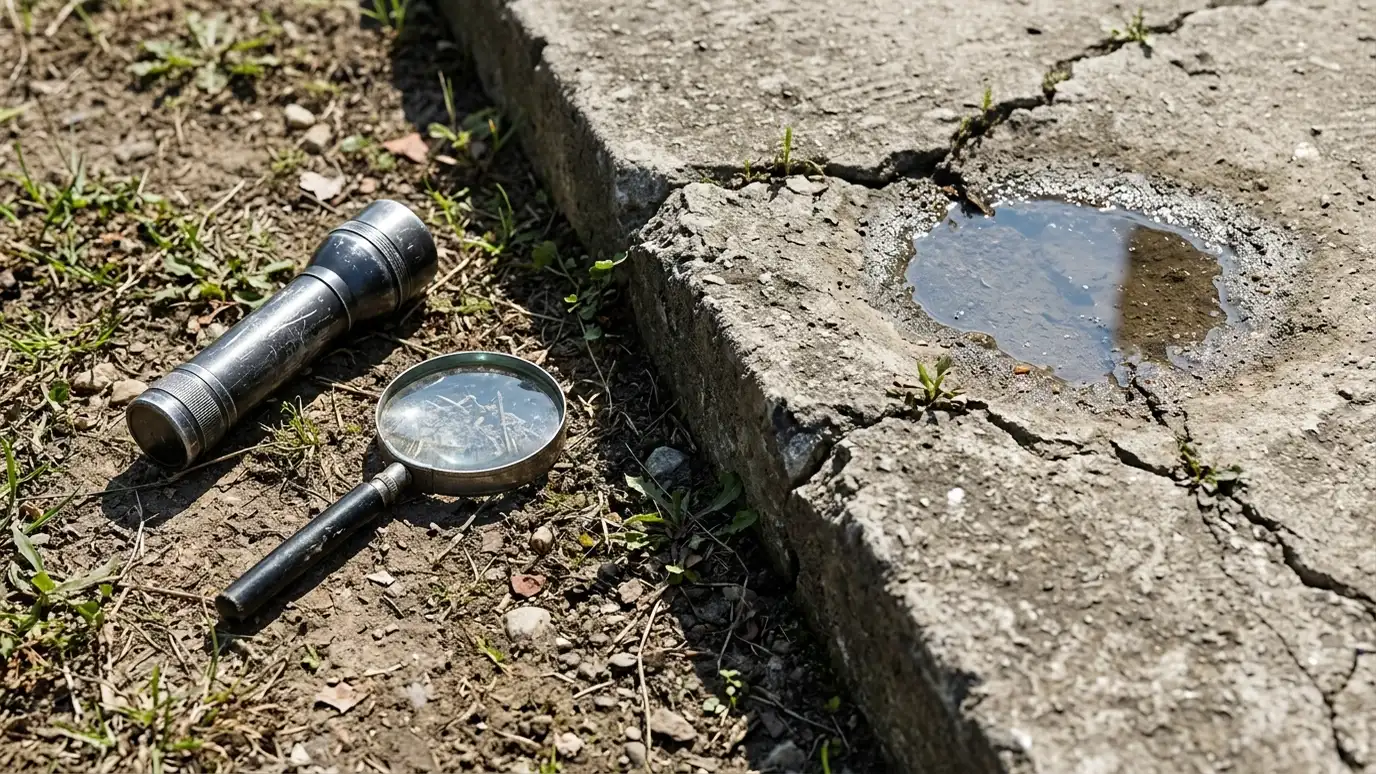 Concrete Problem CheckerCheck the signs you see in your concrete and get a likely cause with the next step.Try it
 Concrete Budget PlannerPick a project, a size and a finish and get a ballpark planning range.Try it
Many are thicker than a standard slab. We set thickness by the loads and soil.
Rebar generally gives stronger, more consistent reinforcement for heavy loads.
No concrete is crack-free, but good design and joints keep cracks small and controlled.
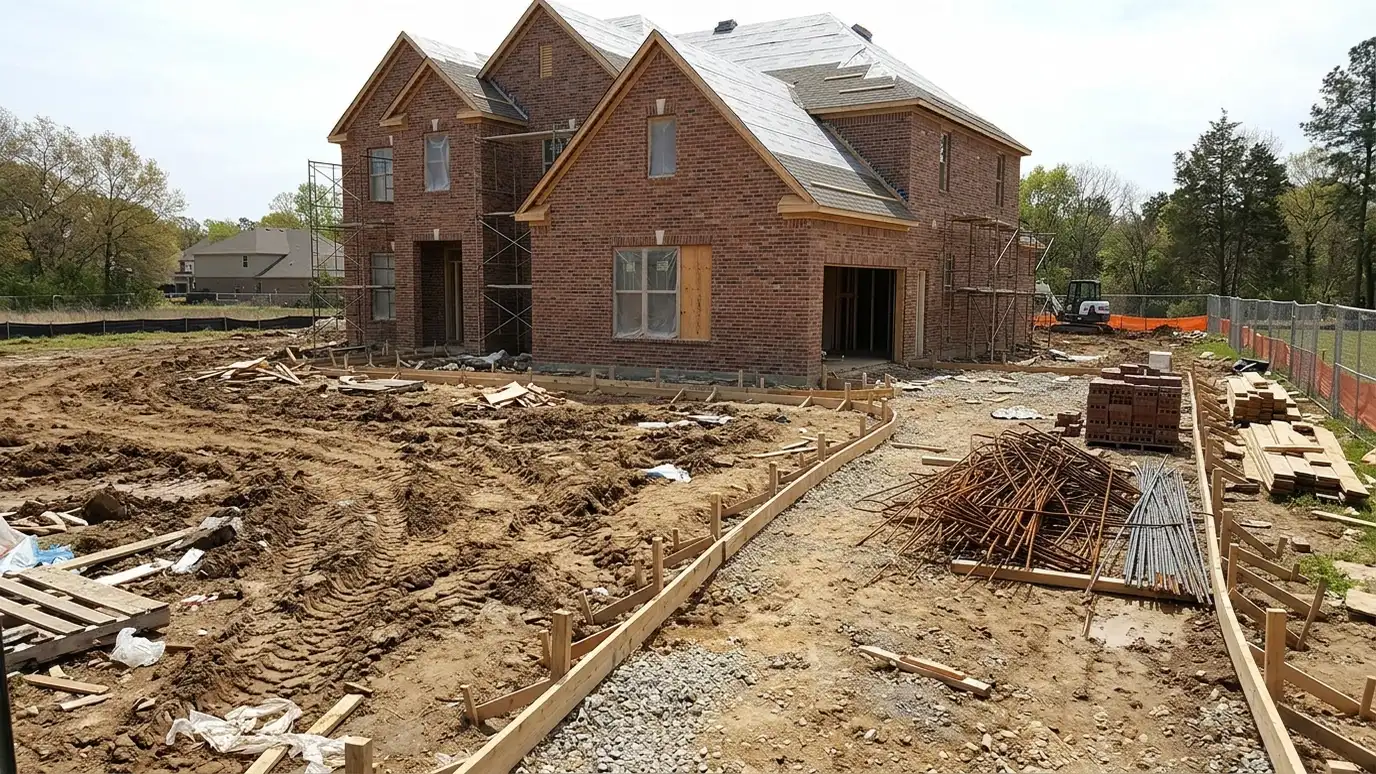 Site situationNew Construction LotsA new build needs concrete poured in the right order. Here is how to plan footings, slabs, drives…Learn more
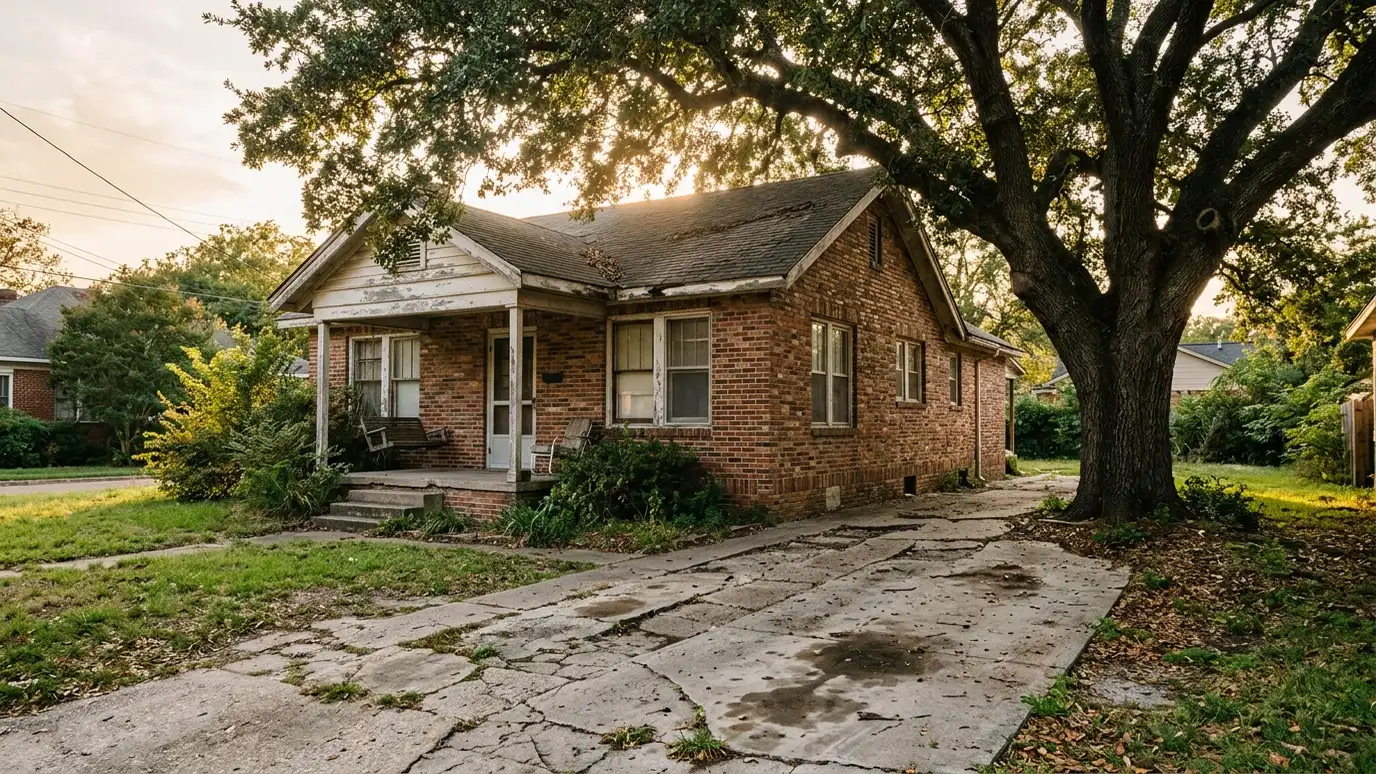 Site situationOlder Homes and Cracked ConcreteOld slabs crack, settle and stain. Here is how to decide between repair, lifting, resurfacing and replacement.Learn more
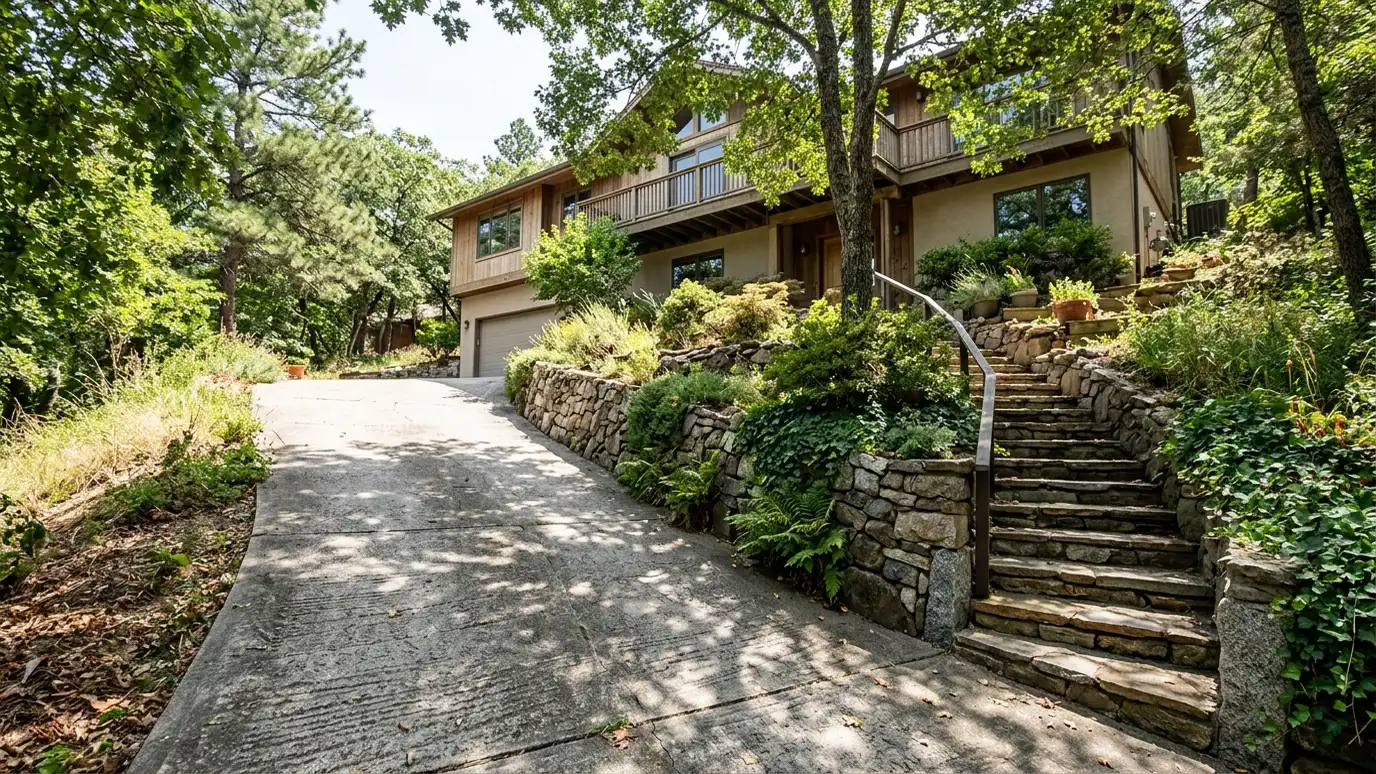 Site situationSloped and Hilly LotsHills mean steep drives, walls and runoff. Here is how to plan concrete that stays put and drains…Learn more
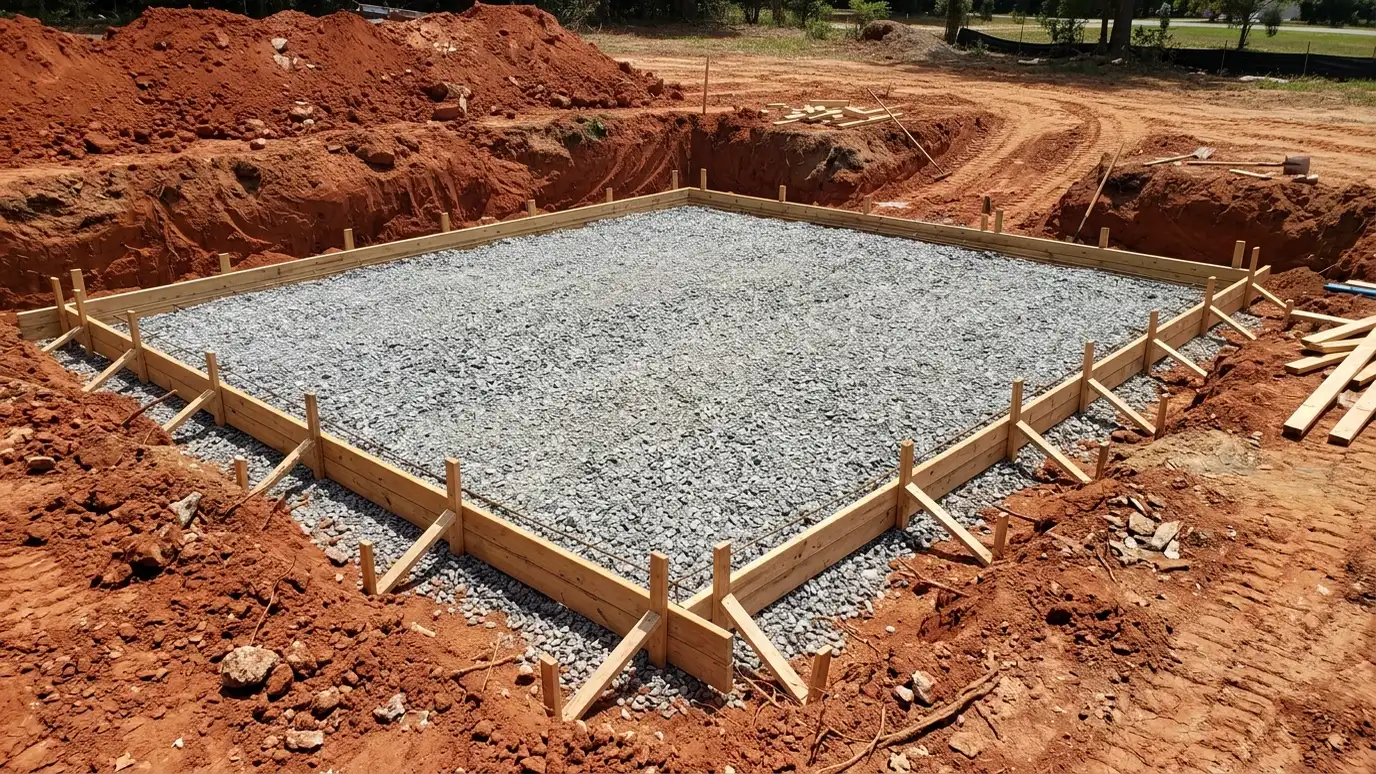 Site situationRed Clay and Poor SoilRed clay swells when wet and shrinks when dry. Here is how a good base keeps concrete from…Learn more
Call us and we will walk your site, check the soil and drainage and give you a clear plan and a written scope for new concrete, repair or sealing.