The short answer
Well-built concrete can last for decades. Many driveways and patios give thirty years or more of service, and foundations often last much longer. But the number depends on the base, the mix, the thickness, the weather and how the slab is used and cared for.
The real question is not how long concrete can last, but what keeps it from reaching its potential.
What shortens a slab's life
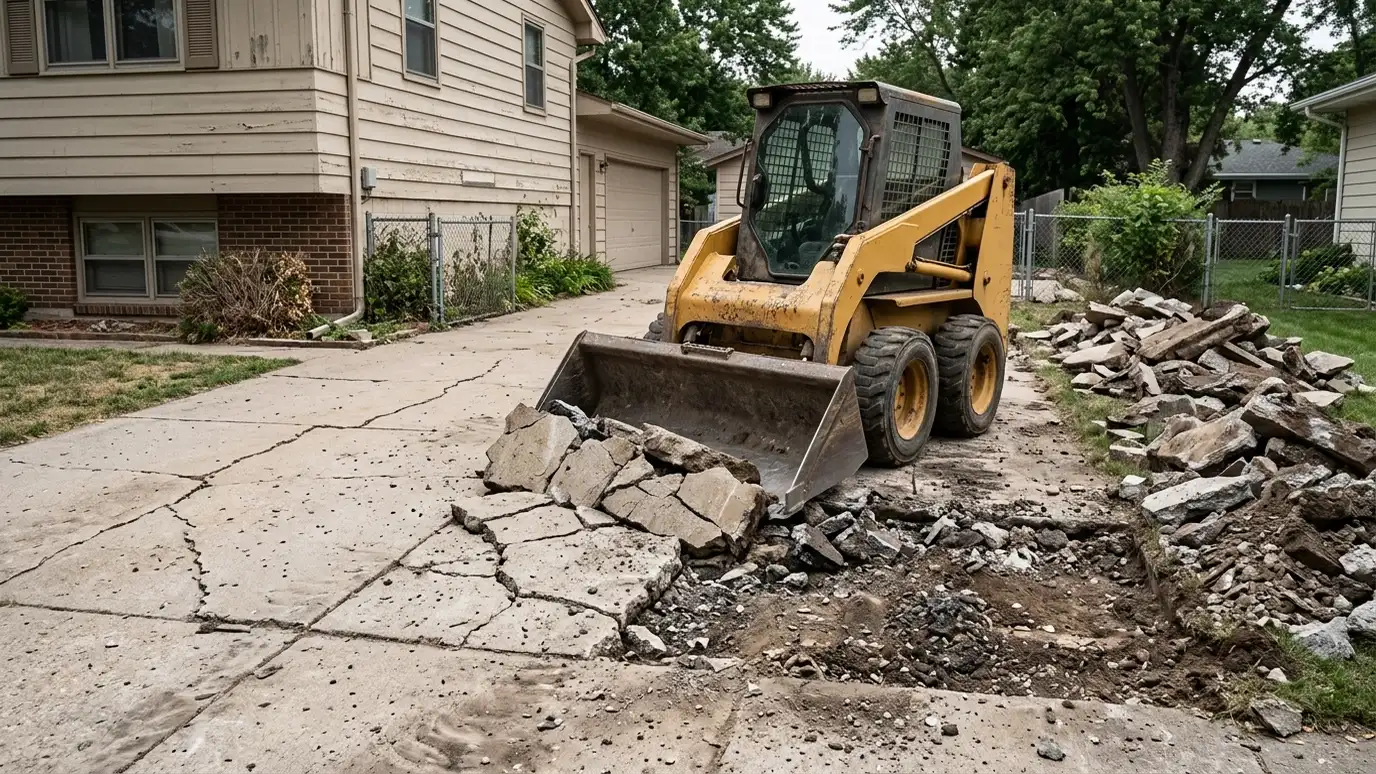
Poor base work is the top cause. Soft or wet soil under a slab leads to cracking and settling. Thin concrete, weak mixes, added water and missing steel also cut life short.
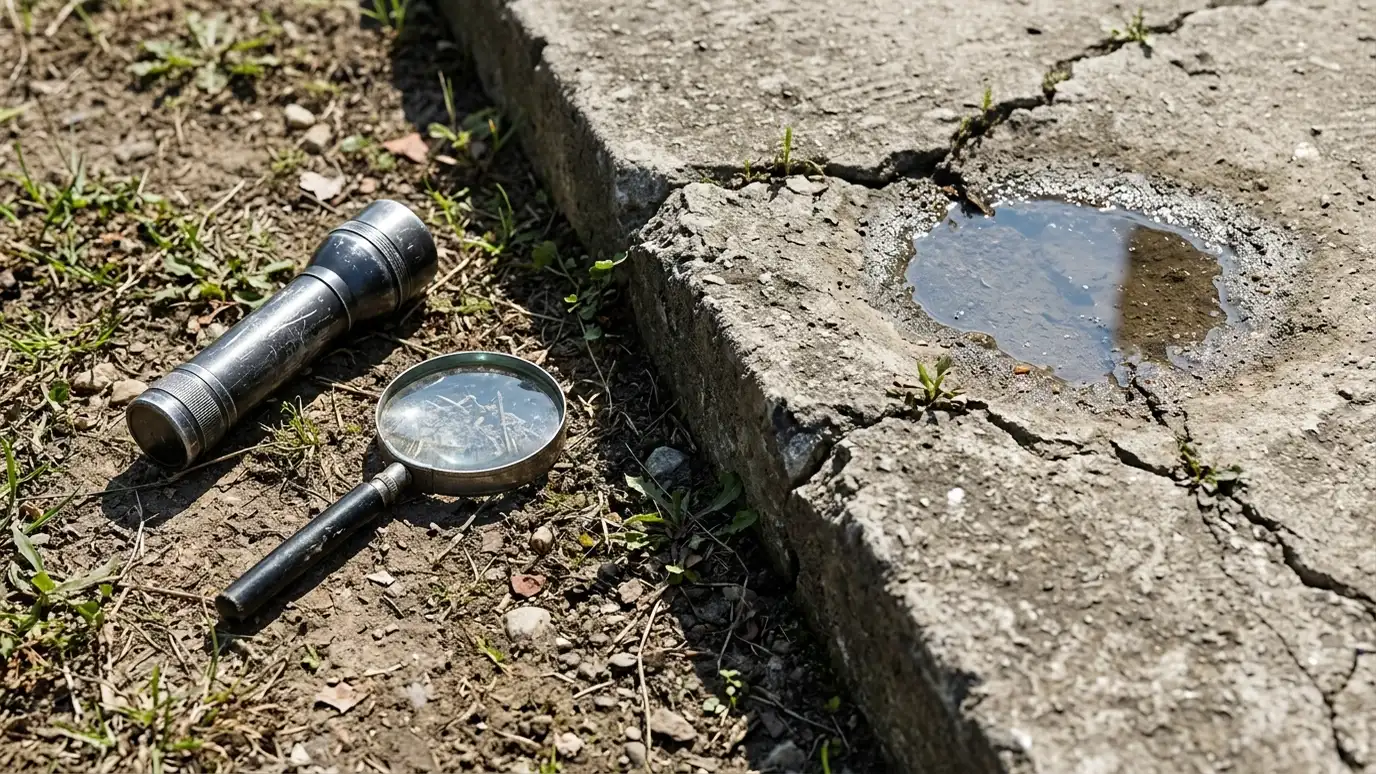
Freeze-thaw cycles, de-icing salts, tree roots and heavy loads add stress over time.
Driveways and walks
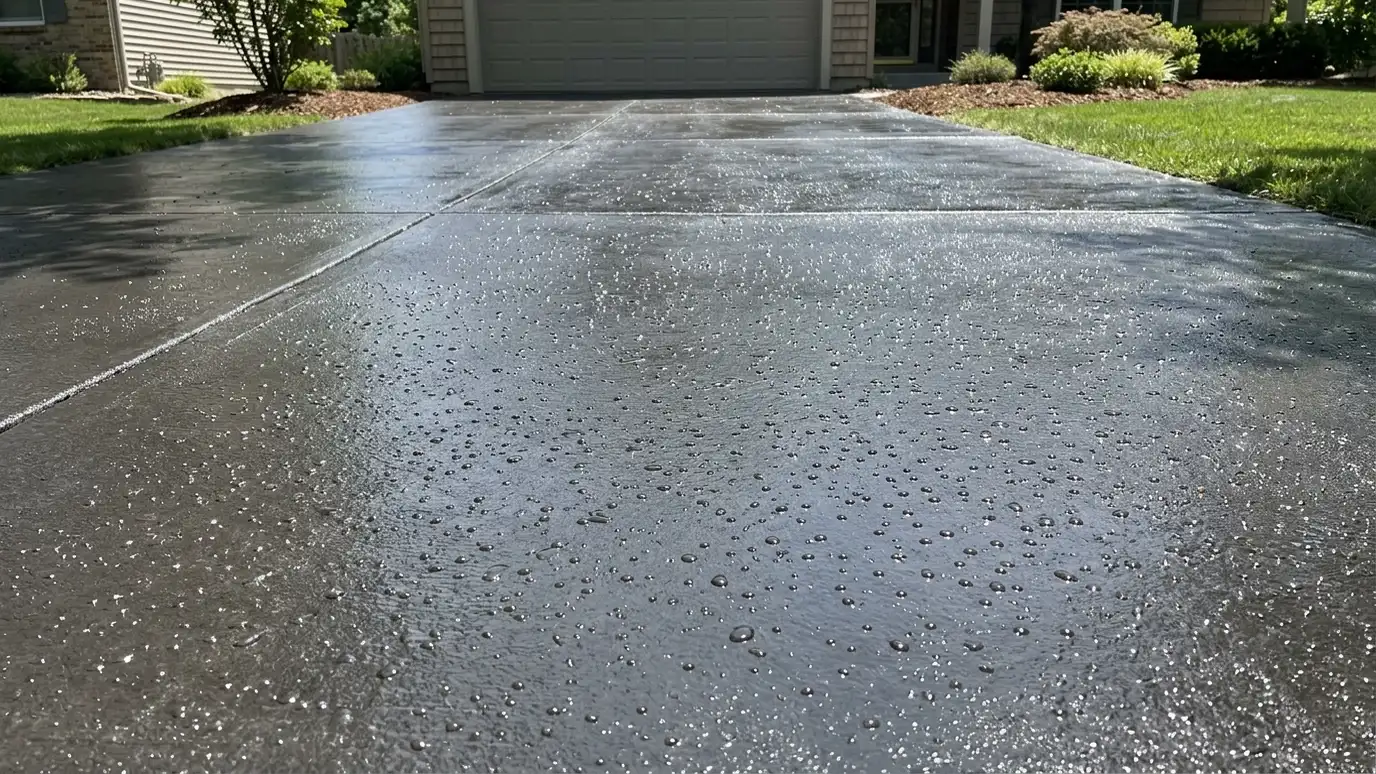
Driveways face the heaviest loads and the most weather. A well-built driveway with a good base, steel and proper joints can last thirty years or more. Sidewalks usually last as long unless roots or settling cause damage.
Sealing every few years and keeping joints filled help both last longer.
Patios, steps and decks
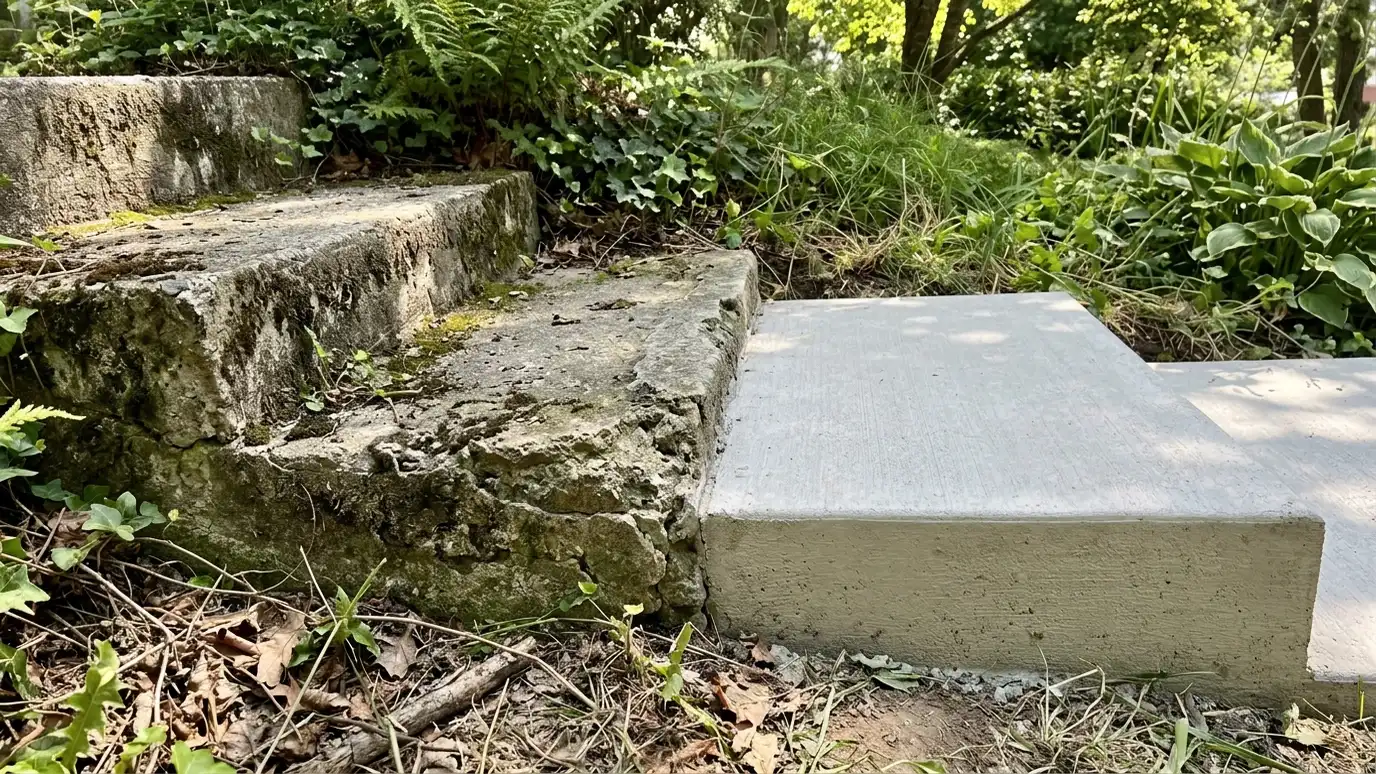
Patios last as long as driveways when built well, but decorative surfaces need upkeep to keep their look. Steps take a beating from weather and use, so good reinforcement and drainage matter.
Pool decks must handle water, sun and chemicals, and benefit from sealers and good drainage.
Foundations and footings
Foundations and footings are buried, protected and designed to last as long as the house. Problems usually come from water, poor soil or earlier construction mistakes rather than age.
Crawl space and basement walls should be checked for cracks and moisture from time to time.
Making concrete last
Good base work, the right thickness and a proper cure give the best start. After that, seal the surface, keep joints filled, fix small cracks early and keep water moving away from the slab.
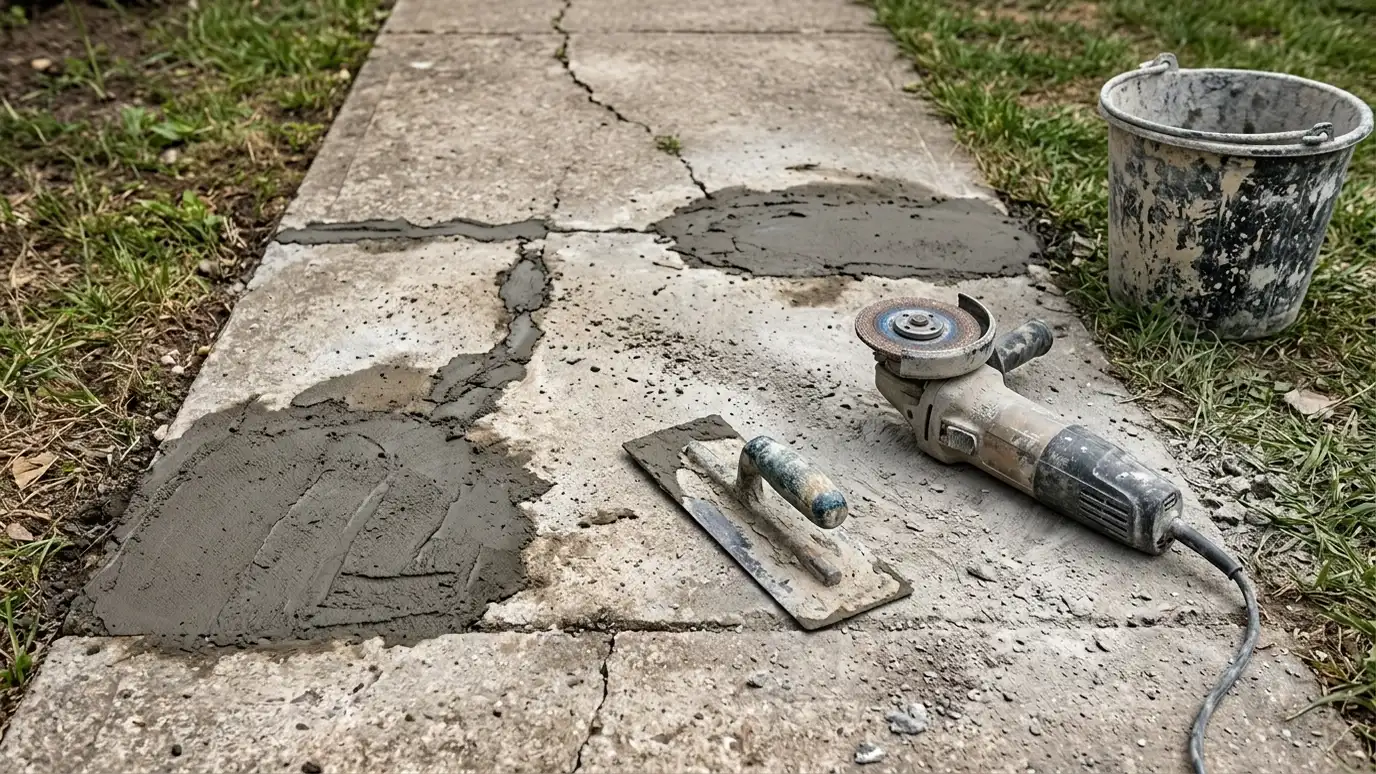
Fix small problems quickly, since water and freezing make them bigger every winter.
Concrete lasts when the base is right, the slab is sized for the load and small problems are fixed before winter makes them big.