Why winter is hard on concrete
Water soaks into concrete and expands as it freezes, which breaks the surface. In Middle Tennessee, repeated freezing and thawing makes this happen again and again over the winter.
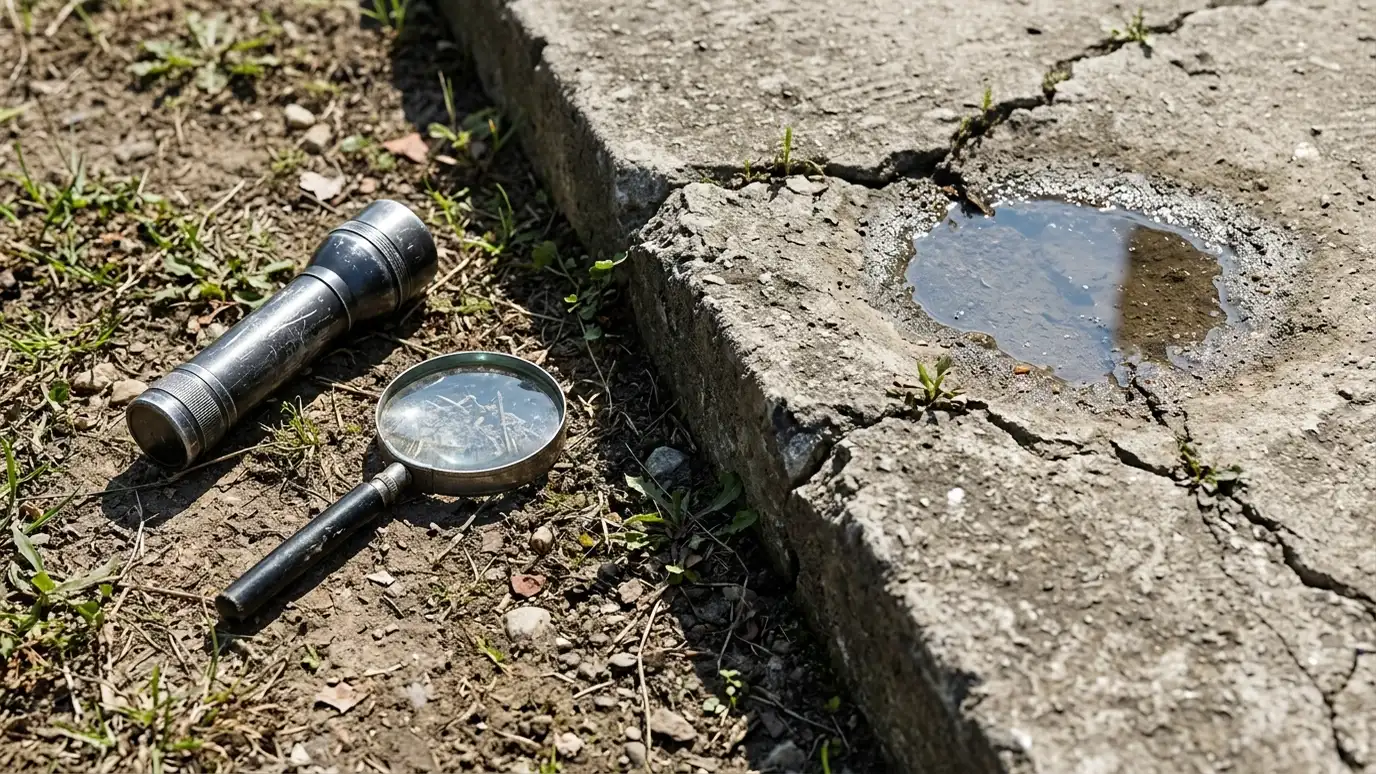
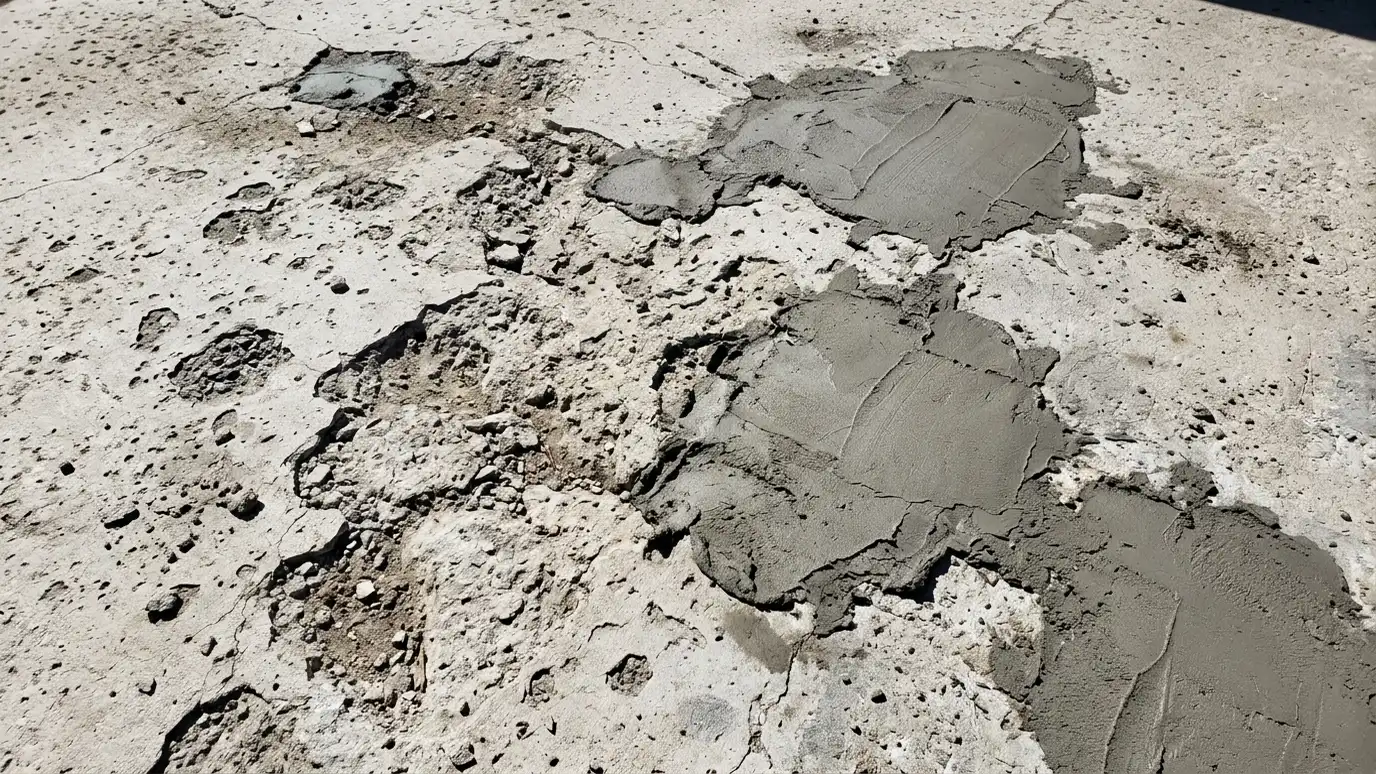
The worst damage appears in spring, as scaled and pitted surfaces.
Seal before winter
A sealer keeps water out, and fall is the ideal time to apply it. A clean, dry surface and mild weather give the best result.
Seal stamped and stained concrete too, since color and texture are most at risk.
Choose de-icers carefully
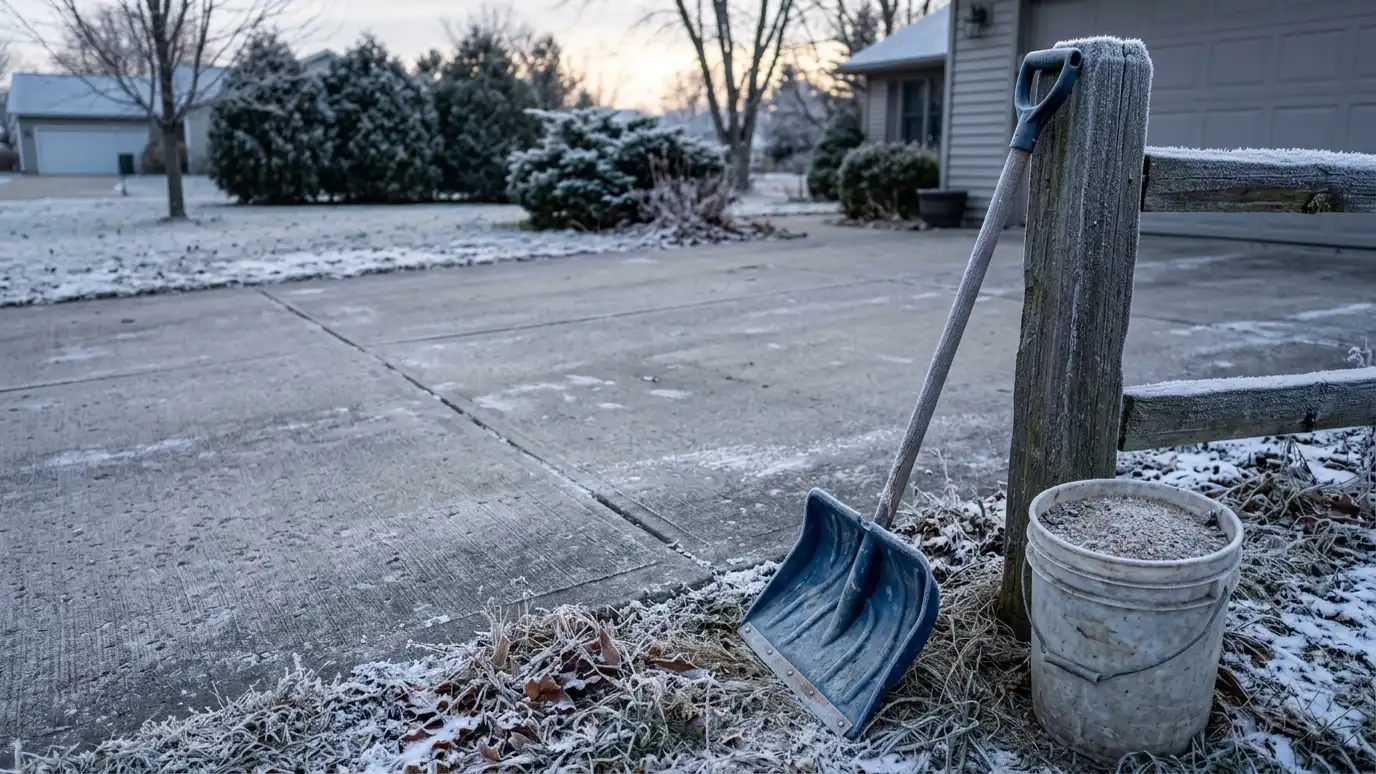
Rock salt and some other products can speed up scaling, especially on young slabs. Sand adds traction without chemistry, and products labeled safe for concrete are gentler.
Never use de-icers on concrete poured in the past year.
Shovel and scrape gently
Use a plastic shovel and avoid metal blades that chip the surface. Clear snow early so it does not turn to ice.
Keep downspouts and drains clear so melting snow runs away from the slab.
Protect new concrete
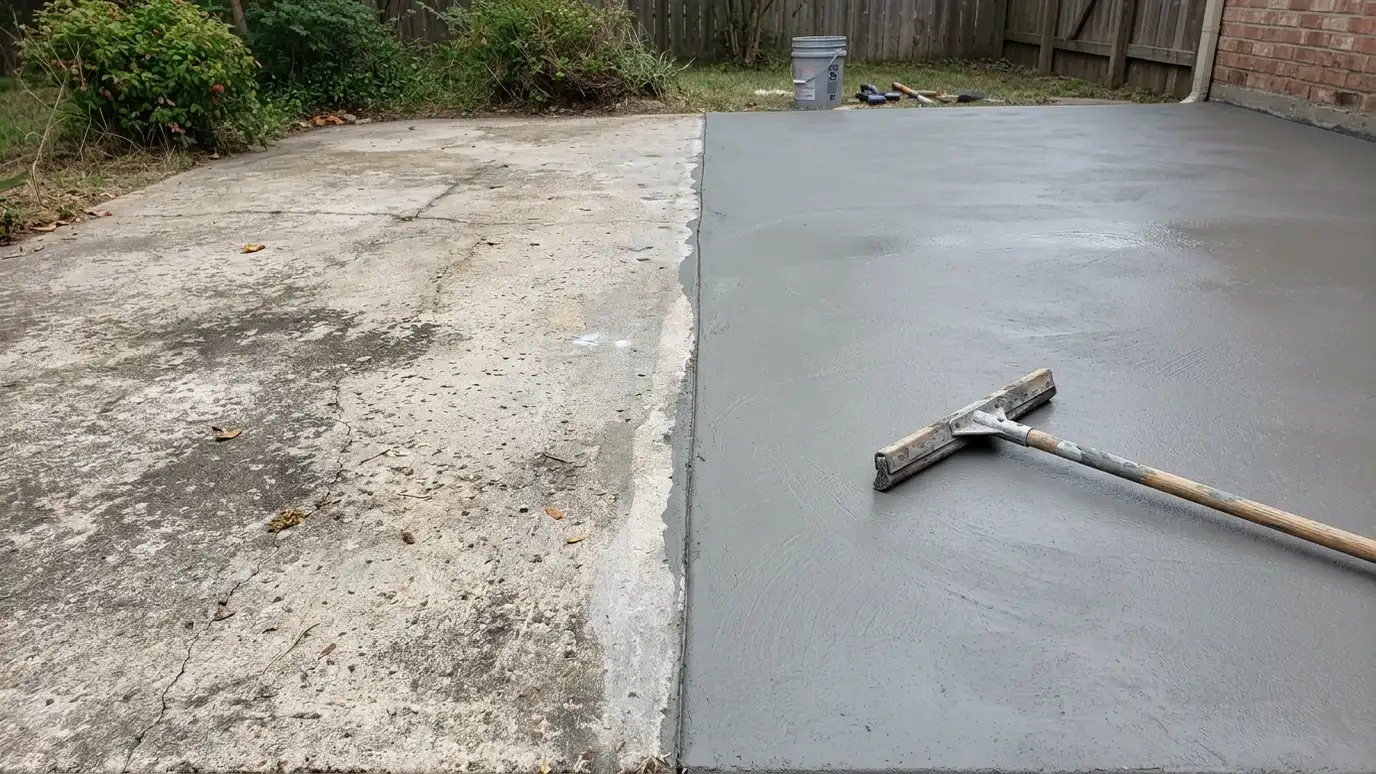
Fresh concrete needs protection from freezing for the first few days. Insulated blankets, heat and warmer mixes help. If the forecast is harsh, a delay is often wise.
Concrete poured in the fall should be sealed after it cures.
Spring check-up
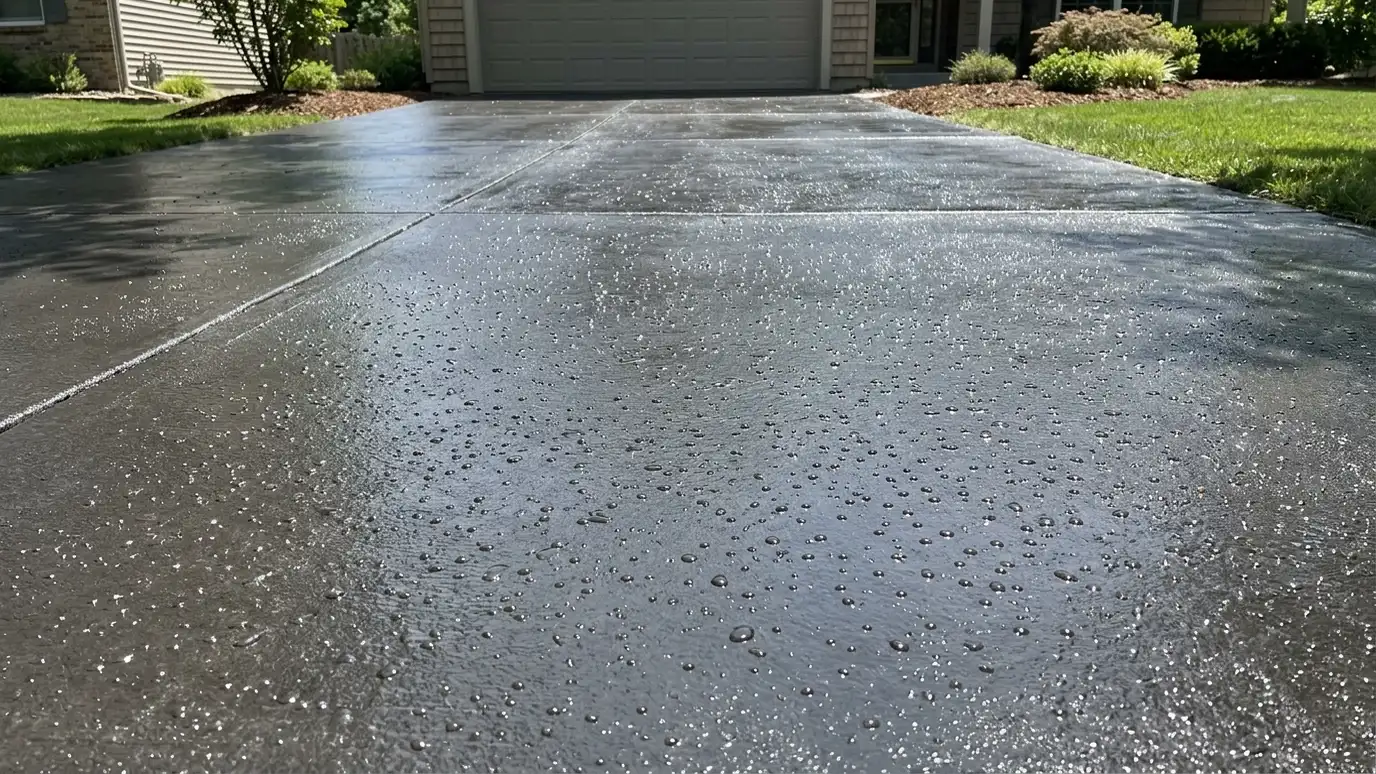
Walk the property in spring. Look for new cracks, scaling and settling, and fix small problems before summer storms. Reseal where water no longer beads.
Early repairs cost less and last longer.
Seal in the fall, go easy on salt and fix small damage in spring, and your concrete will come through winter in good shape.