Hairline cracks
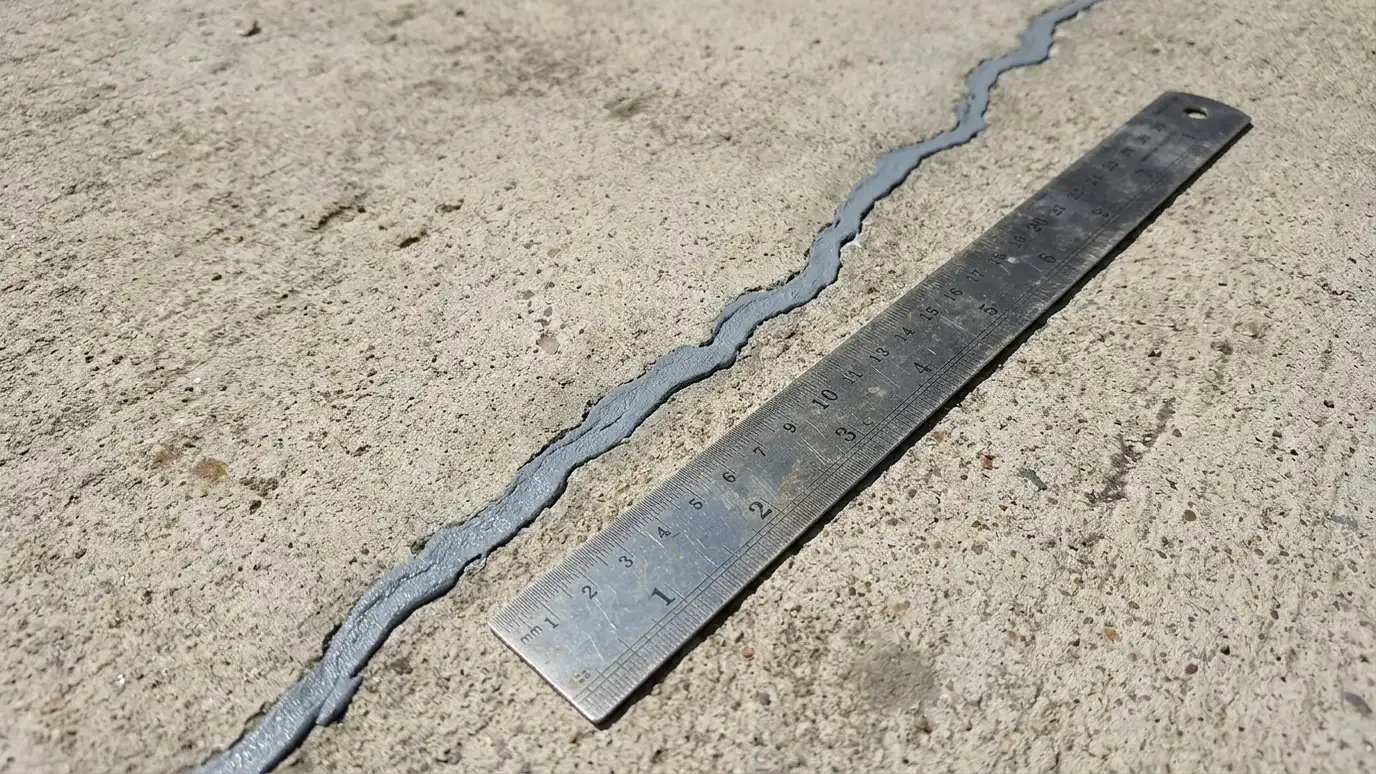
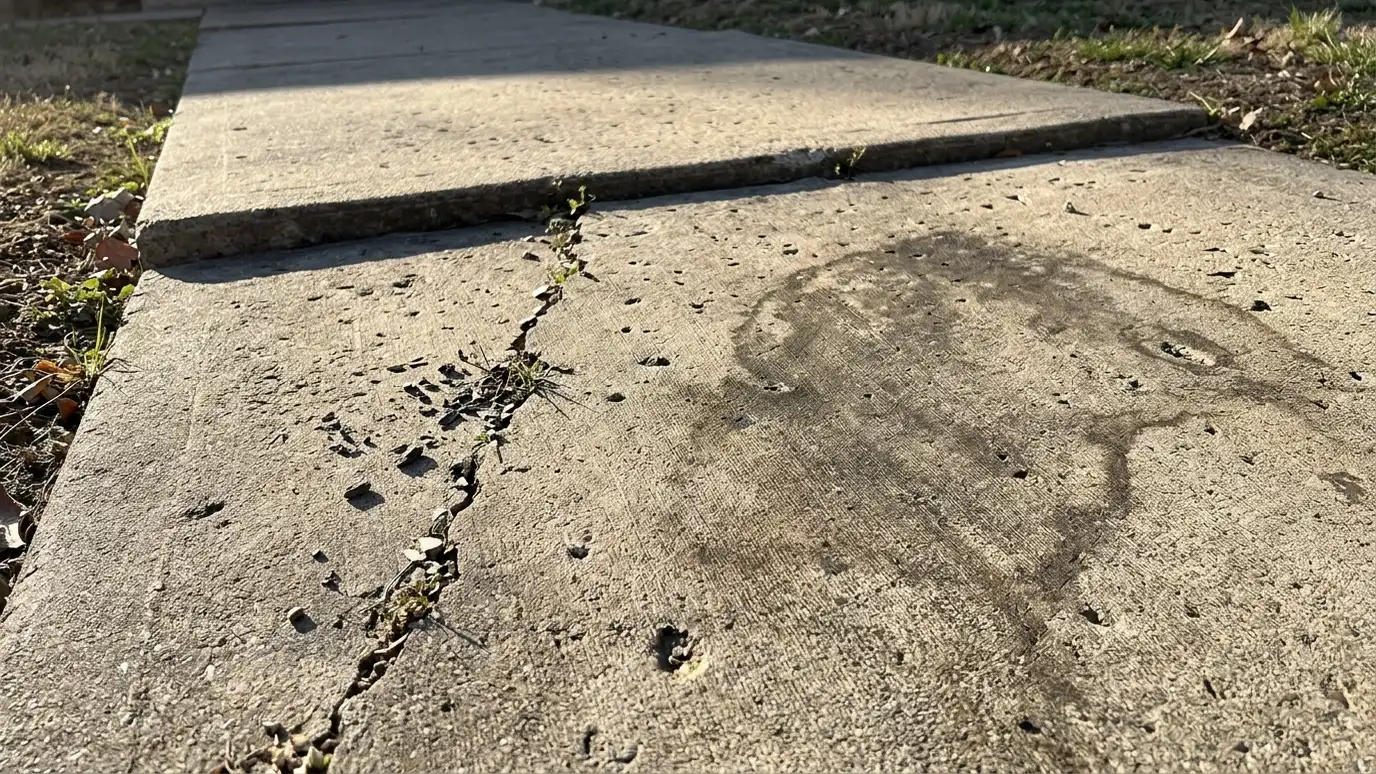
Thin cracks are common as concrete dries and shrinks, and most are cosmetic. They can be sealed to keep water out, and they usually are not a cause for alarm.
Watch them over time. If they widen or grow longer, something else is going on.
Wide, uneven or long cracks
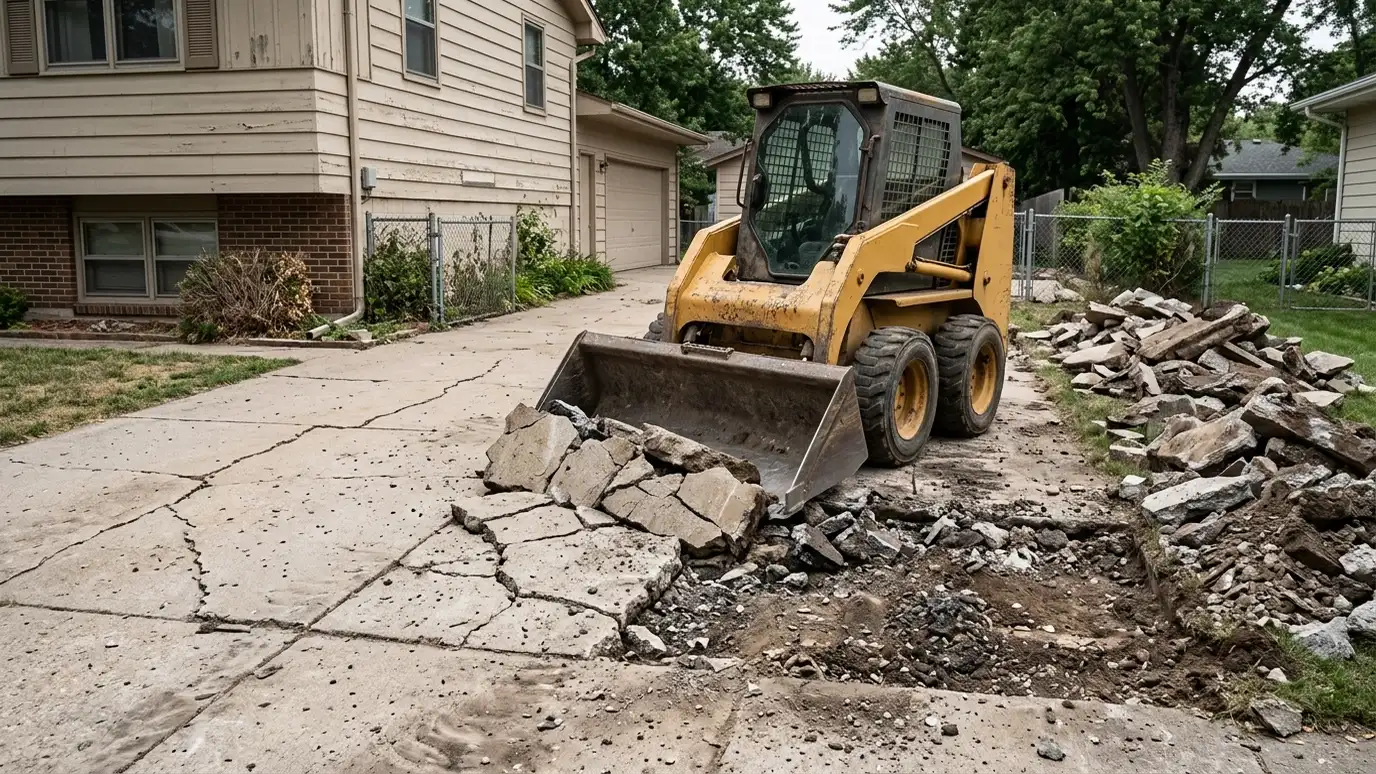
Cracks wider than a quarter inch, cracks where one side is higher than the other and cracks that run the length of a slab point to movement. The cause may be soft soil, poor base, tree roots or water.
These need a closer look, since sealing alone will not stop movement.
Settling and tilting
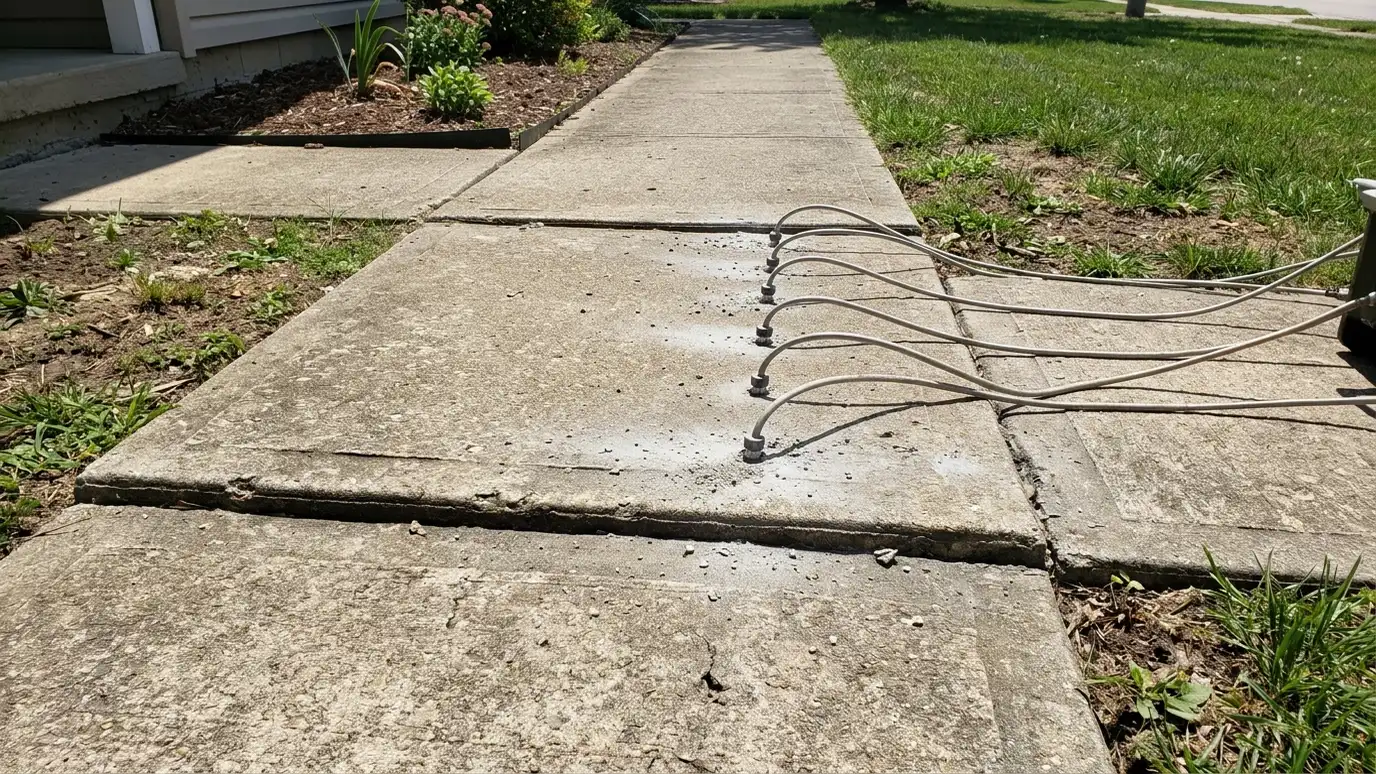
A slab that has sunk, tilted or pulled away from the house usually has lost support. Water washing soil out, loose fill or poor compaction are common causes.
Settled slabs can often be lifted, if the cause is fixed. If the slab itself is broken, replacement may be the better choice.
Scaling, pitting and spalling
Flaking surfaces, pits and chipped patches are signs of freeze-thaw damage, salt or a weak surface from poor finishing. Light scaling can be sealed or resurfaced, while deep spalling needs repair.
If the damage is widespread, the slab may have been poorly mixed or finished.
Pooling water and trip hazards
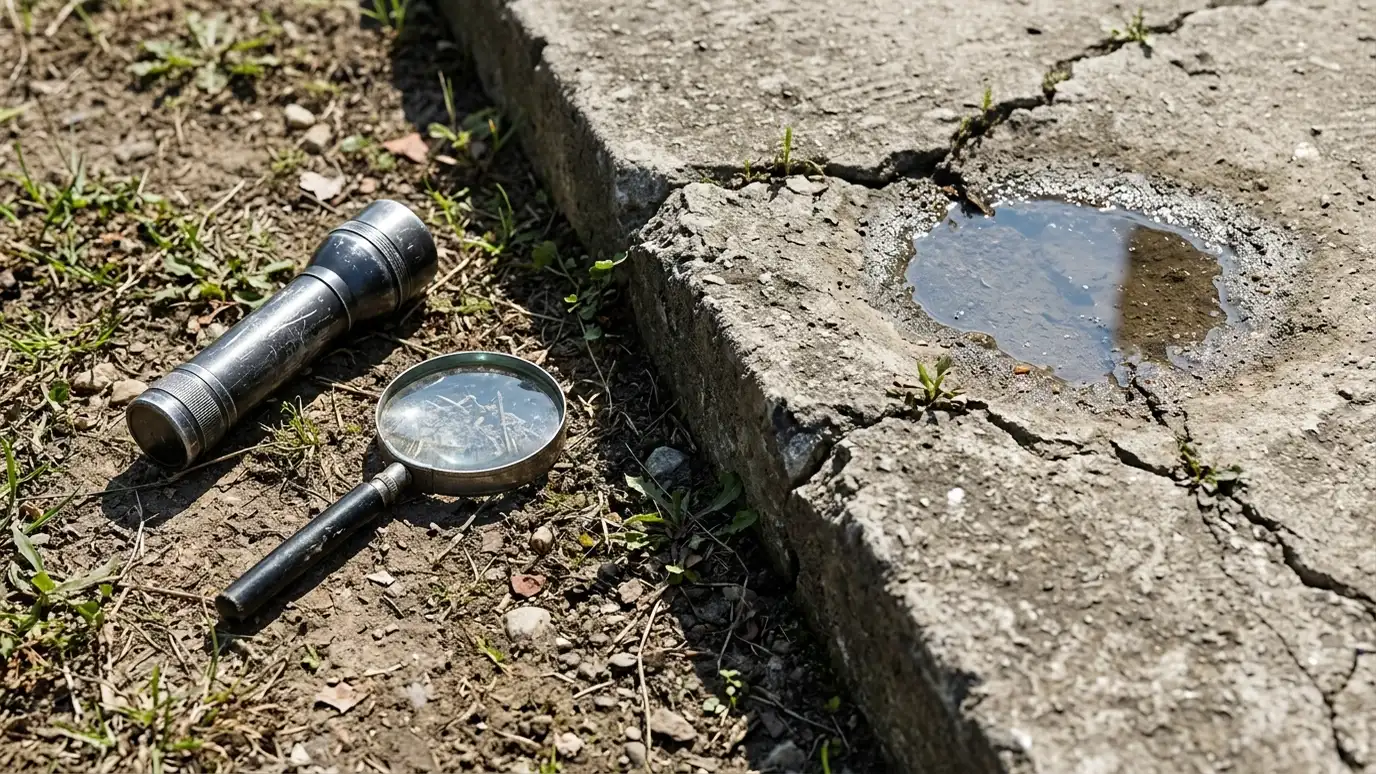
Water that sits on a slab or flows toward the house is a drainage problem. Raised edges at joints and sidewalks are trip hazards that can lead to injury.
Both are worth fixing quickly, because they get worse over time.
What to do next
Take photos, note where cracks start and watch for changes over several weeks. Then have the site checked. We look at the cause, explain the options and give a written scope.
Small repairs now often prevent larger ones later.
Do not ignore a crack that is growing, a slab that is moving or water that is pooling, because each one gets worse every season.