Heavy-duty concrete pavement for parking areas, truck courts, loading docks and drive lanes, with drainage and layout built in.
A parking lot or a truck court has to carry vehicles all day, every day. Delivery trucks, forklifts and customers turn, brake and idle on the same surface, and a weak spot becomes a pothole, a puddle or a crack that spreads. Concrete lasts longer than asphalt under heavy loads and in hot weather, which is why many loading docks and dumpster areas in Nashville are built in concrete. Drainage and layout matter as much as thickness.
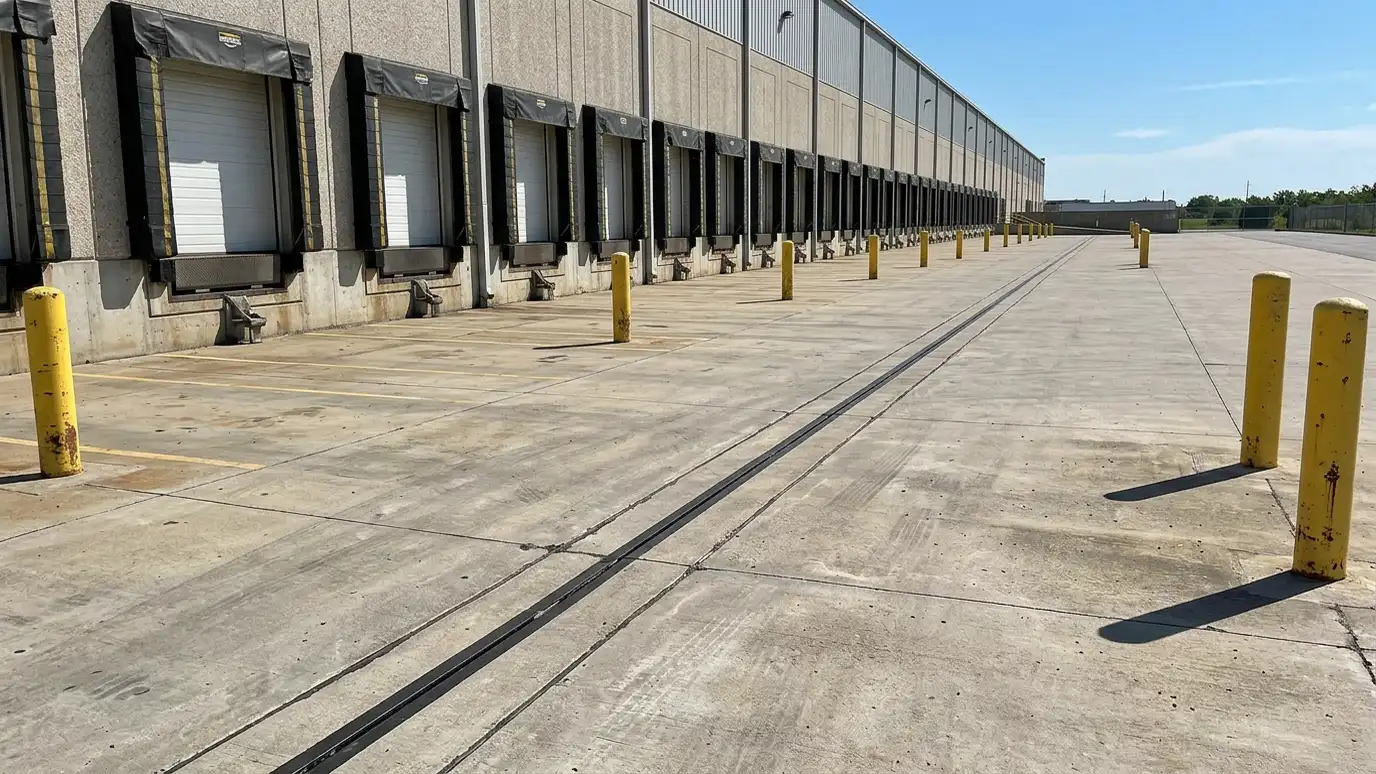
We design the pavement for the traffic, with subgrade preparation, a stone base and a slab thickness and steel to match the loads. Joints are planned in a grid, with dowels where slabs meet, so load transfers and edges do not break down. Slopes direct water to drains, curbs separate lanes and ramps meet accessibility requirements. Loading dock aprons and dock levelers need exact heights and wide, flat work areas, and we coordinate with the building plans. Striping can be added after curing.
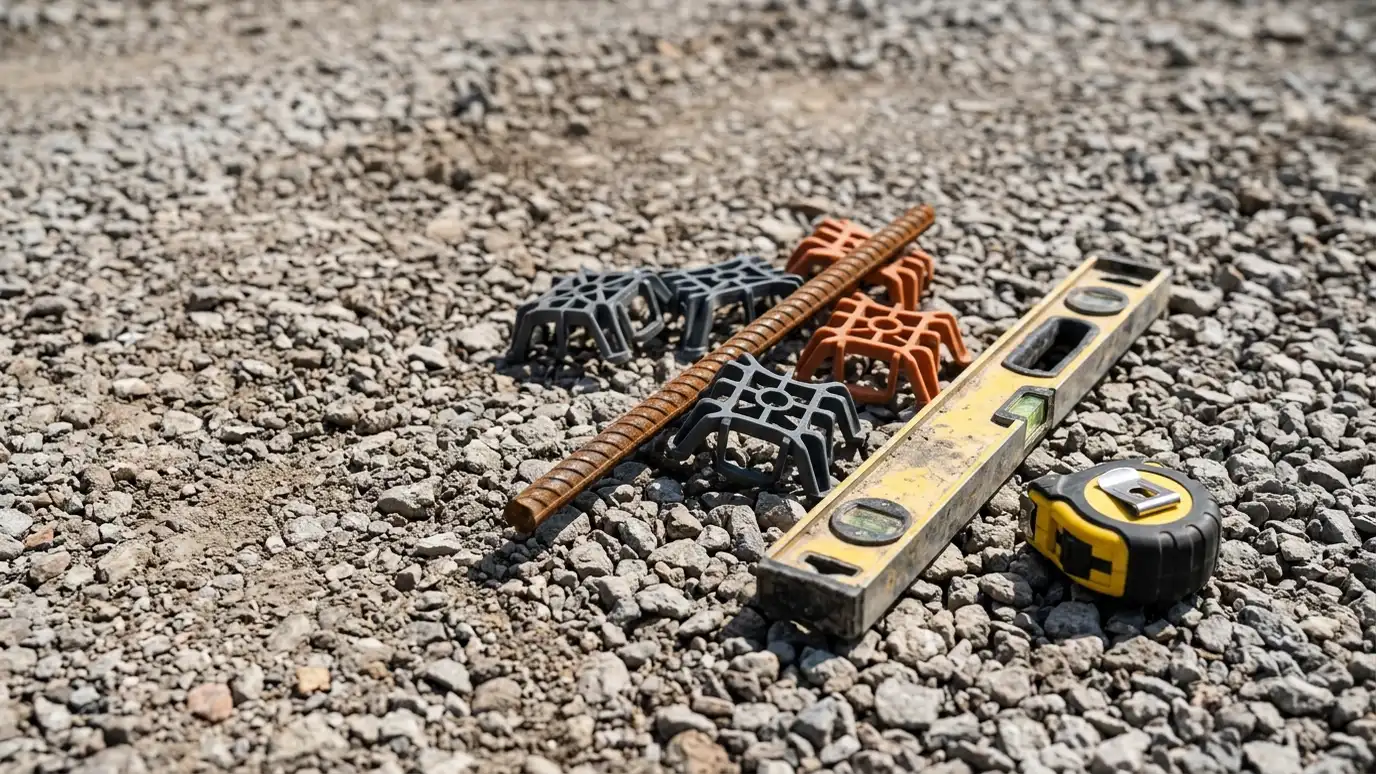
Trucks and forklifts need thicker slabs and steel, and we size them for the loads.
Dowel bars carry loads across joints so edges stay level and unbroken.
Slopes, inlets and gutters keep water from ponding and freezing.
Heights, aprons and levelers are coordinated with the building for smooth operation.
Drag the handle to compare.
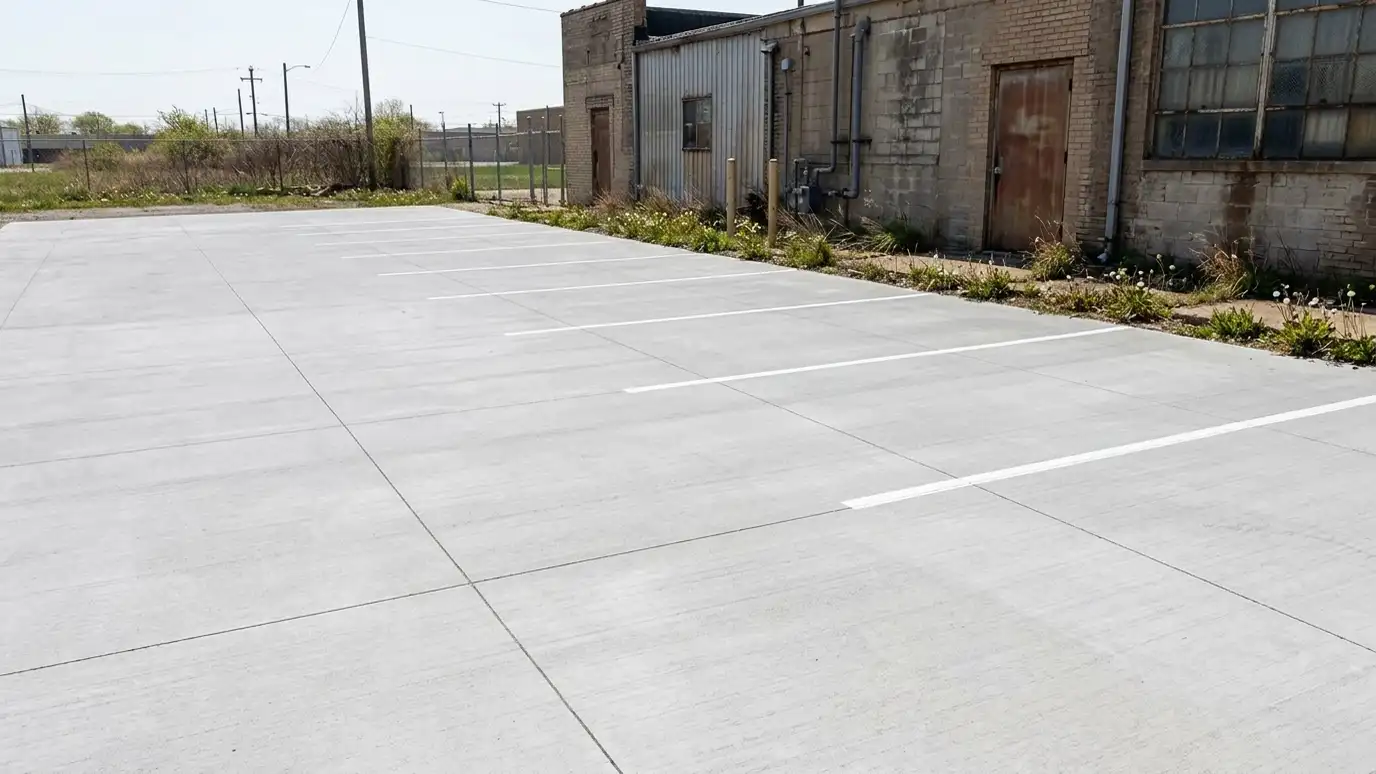
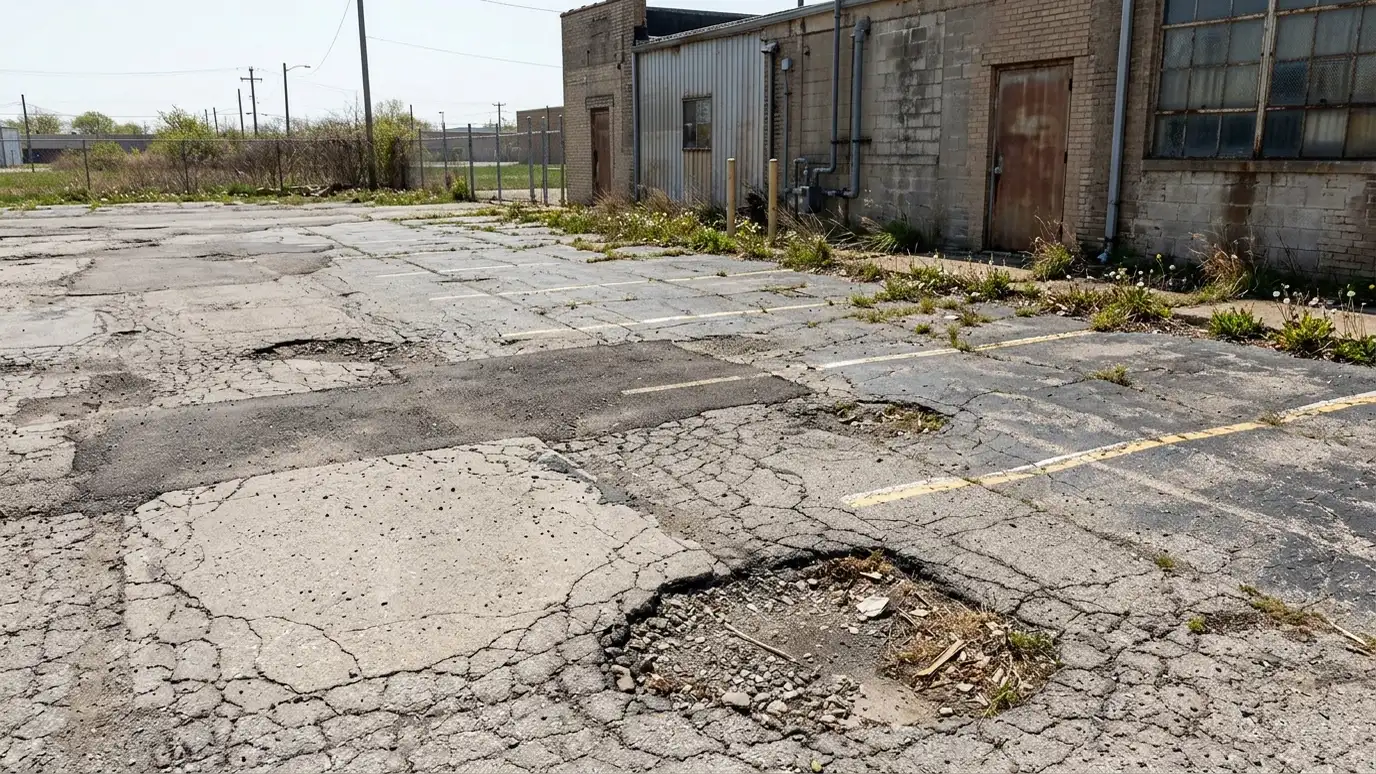 BeforeAfter
Heavy-duty design.
Edges stay put.
No ponding.
Exact heights.
Planned lanes.
Less upkeep.
Every topic has its own page with what to expect and how we approach it.
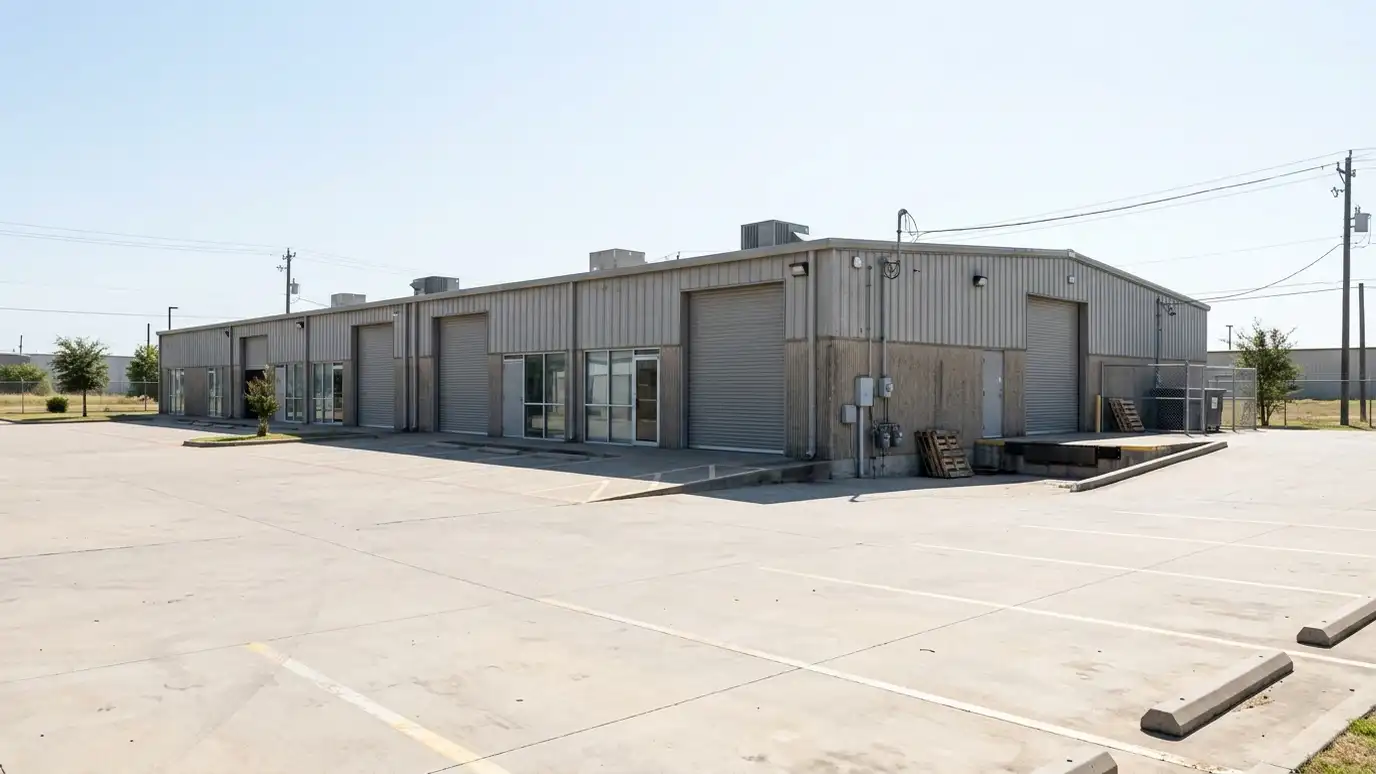 Site situationCommercial and Light Industrial SitesParking lots, docks and floors take hard daily use. Here is how to plan commercial concrete that lasts.Learn more
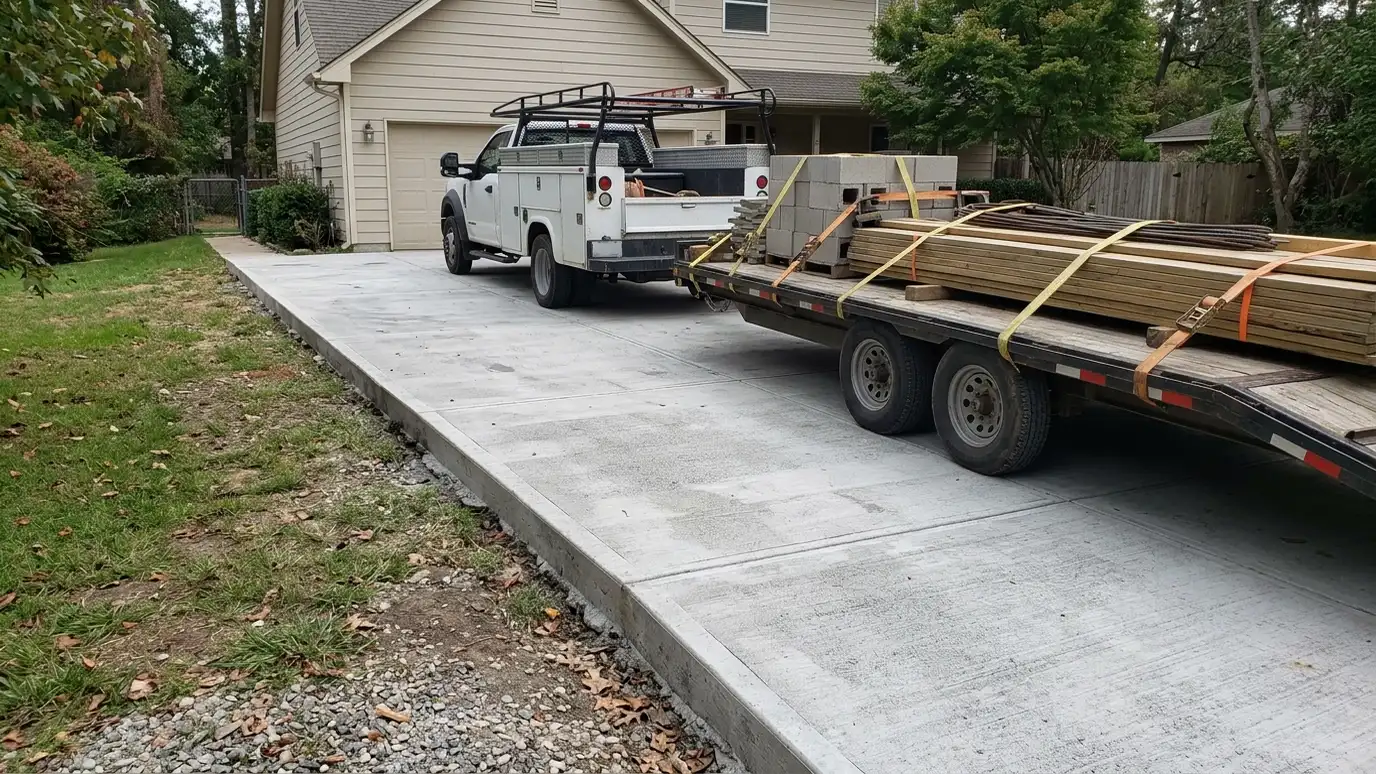 Site situationHeavy-Use DrivewaysTrucks, trailers and RVs need more than a basic slab. Here is how thickness, steel and base work…Learn more
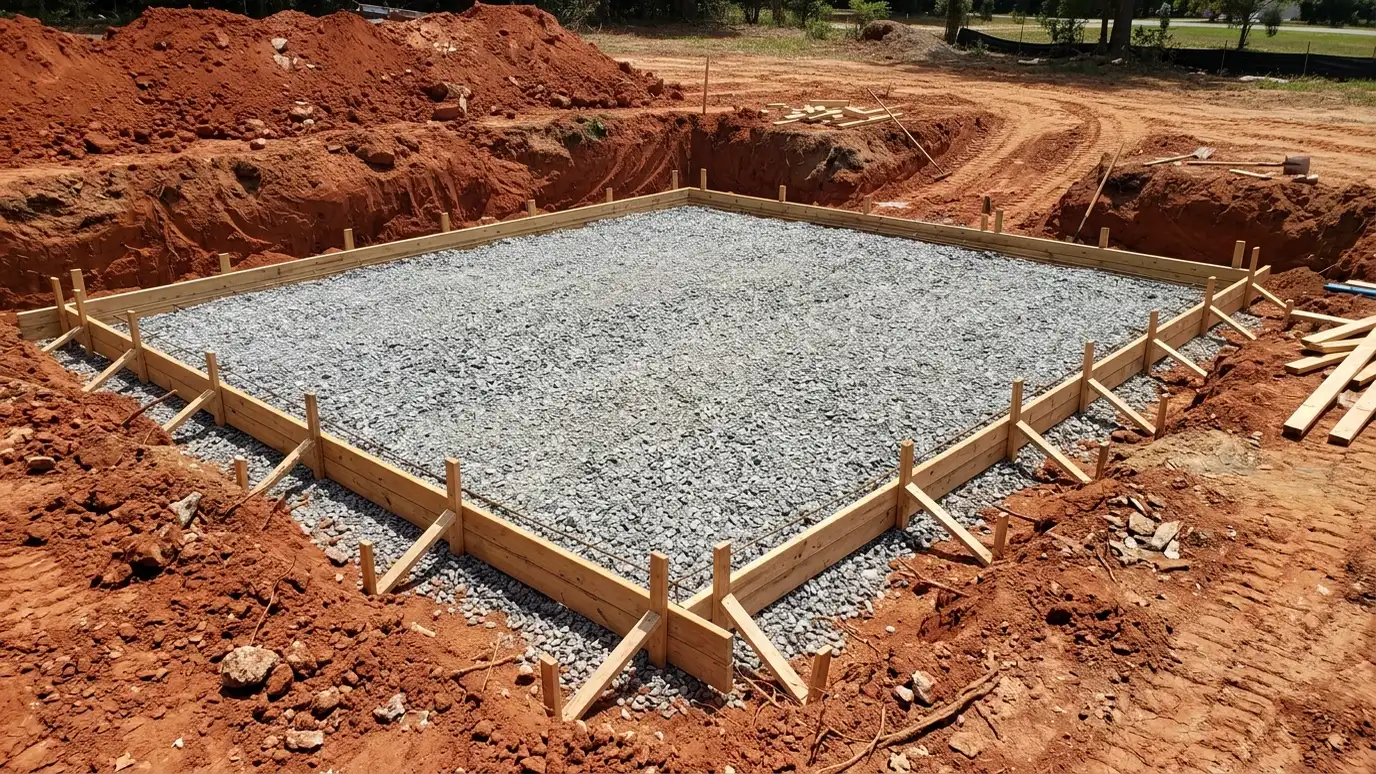 Site situationRed Clay and Poor SoilRed clay swells when wet and shrinks when dry. Here is how a good base keeps concrete from…Learn more
Enter length, width and thickness to see cubic yards, bags and truck loads for a slab, with a waste allowance.
You tell us about your site and what you want, new concrete, a repair or a refresh, and we set a visit that fits your day.
We walk the property, measure the area, check drainage, soil and access, look at any old concrete and take photos of anything of note.
We explain your options for thickness, steel, finishes and colors, sketch the layout and give you a written scope with clear timing and pricing.
We arrange for underground utilities to be located, protect the house, lawn and landscaping, remove old concrete if needed and compact a stone base.
We set forms and steel, check heights and slopes, place and finish the concrete and cut joints, with the crew on site from the first truck to the last pass.
We protect the concrete as it cures, clean up the site, walk you through when to use it and seal it, and set a reminder for your next check.
For heavy loads and heat, concrete often lasts longer and needs less maintenance. Asphalt costs less up front.
Often five to eight inches with steel, depending on the traffic. An engineer or plan often sets it.
Yes. We replace failed slabs and seal joints to extend the life of the rest.
We coordinate with a striping contractor after the concrete has cured.
Yes, we plan phases to keep parking and access available.
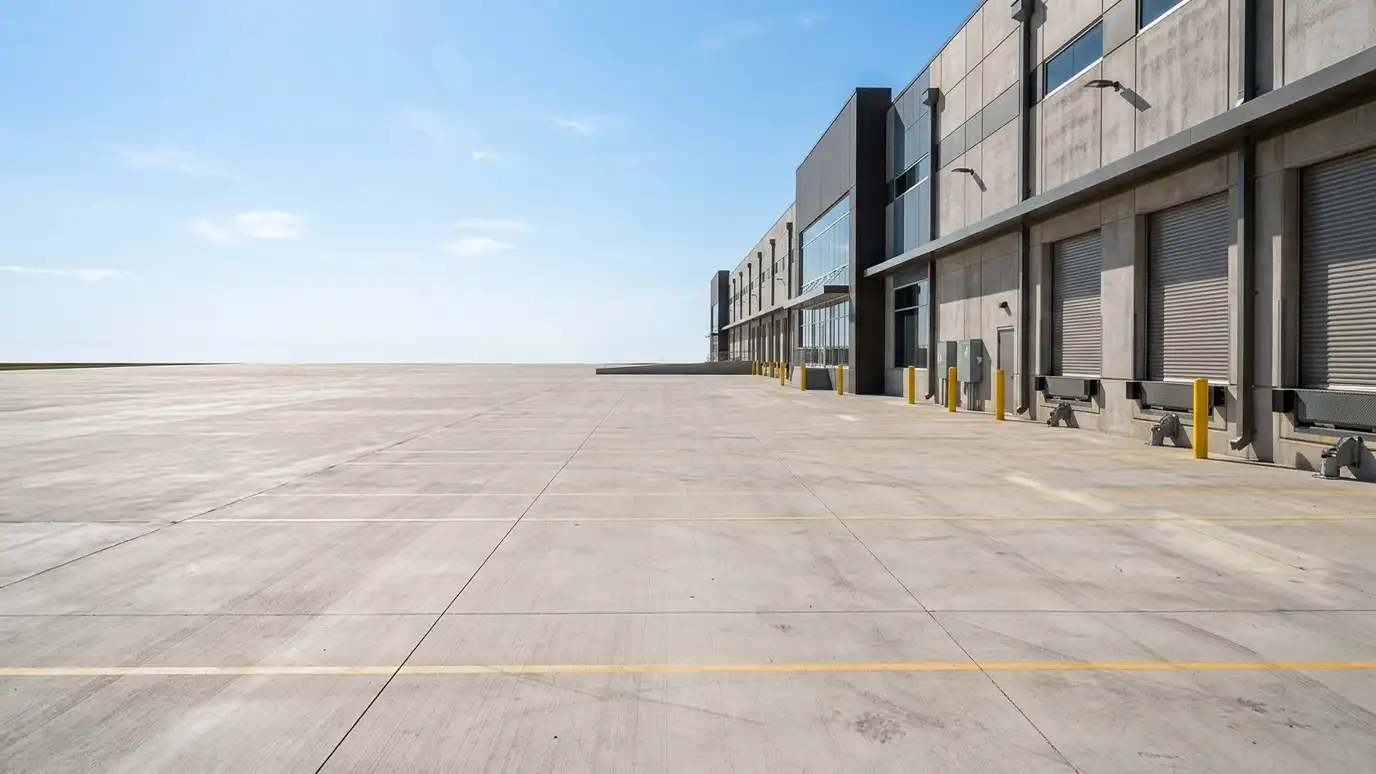 Commercial ConcreteConcrete work for businesses: sidewalks, pads, dumpster enclosures, entries and slabs, scheduled around your operations.Explore
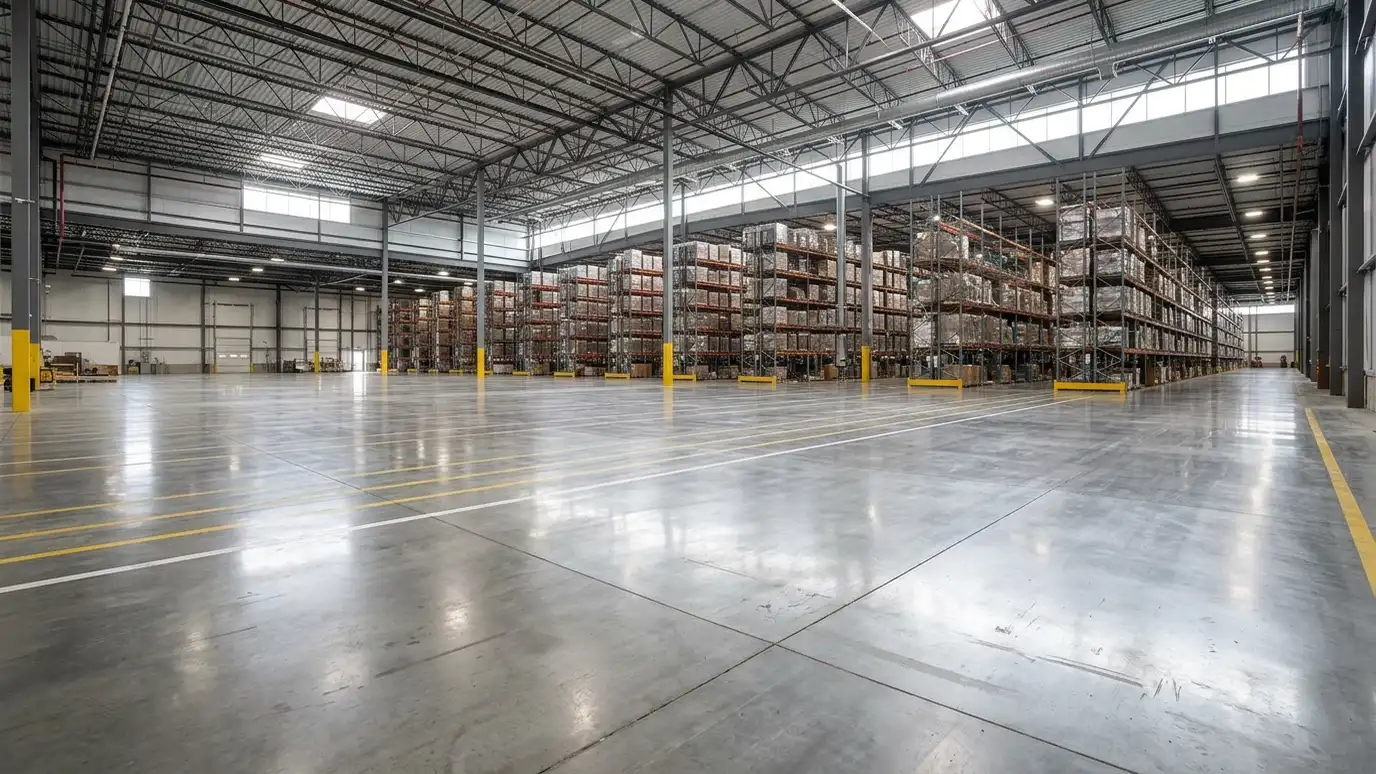 Warehouse and Industrial FloorsFlat, hard, joint-planned concrete floors for warehouses and shops, built for forklifts, racking and heavy equipment.Explore
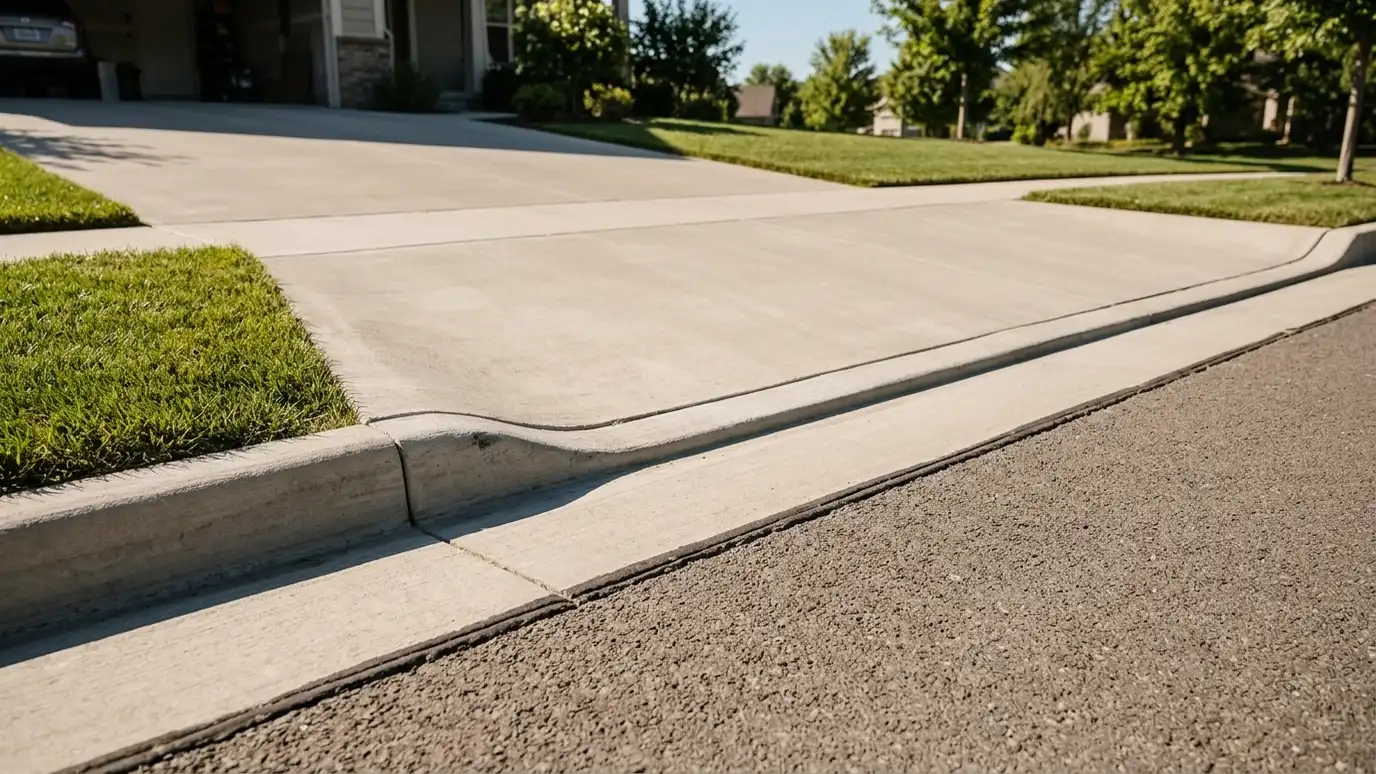 Curbs and ApronsDriveway aprons, curbs and gutters poured to the right profile for drainage, clean edges and long wear.Explore
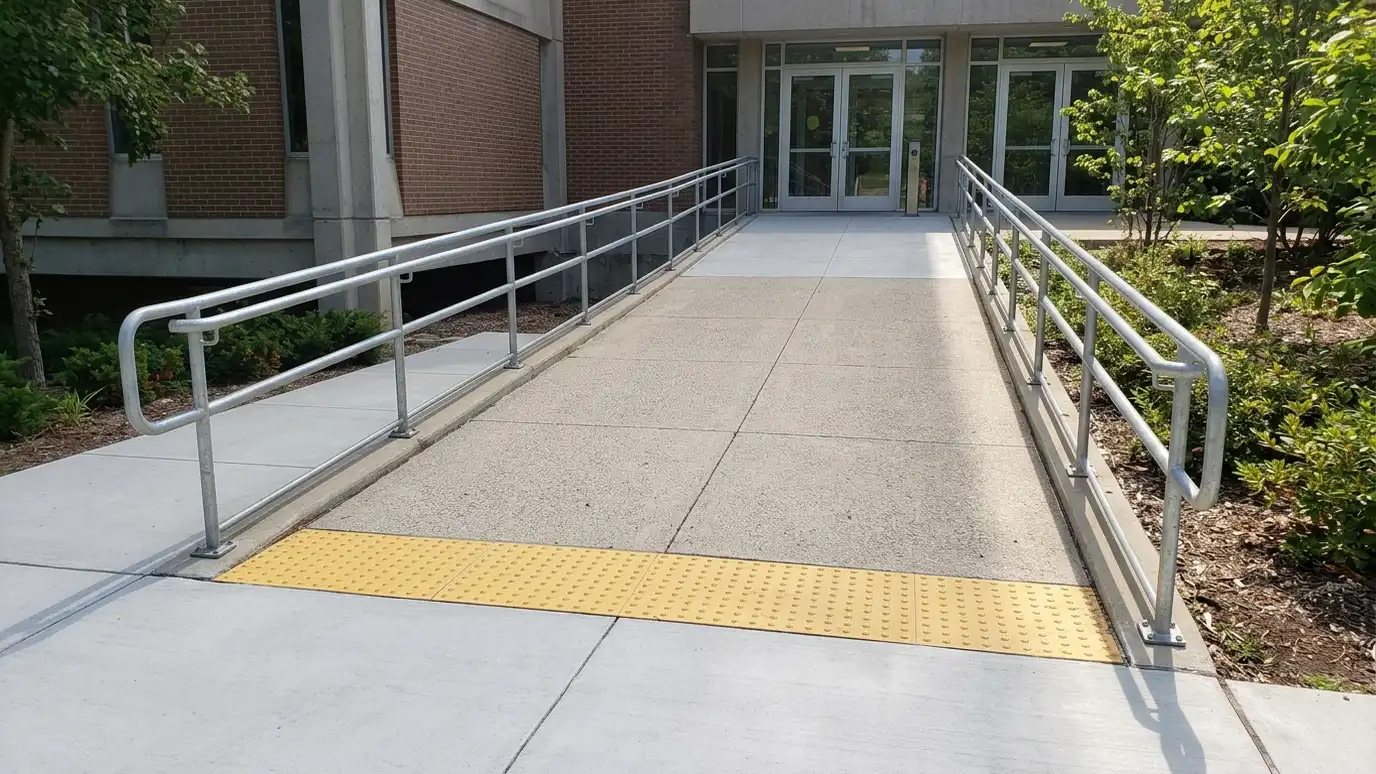 Accessible Ramps and ConcreteRamps, landings and accessible routes built to published slope and width guidelines, with smooth, safe surfaces.Explore
Tell us about the project and we will call you back to talk it through.
Or call (615) 357-7797 to talk now.