Start with the cause
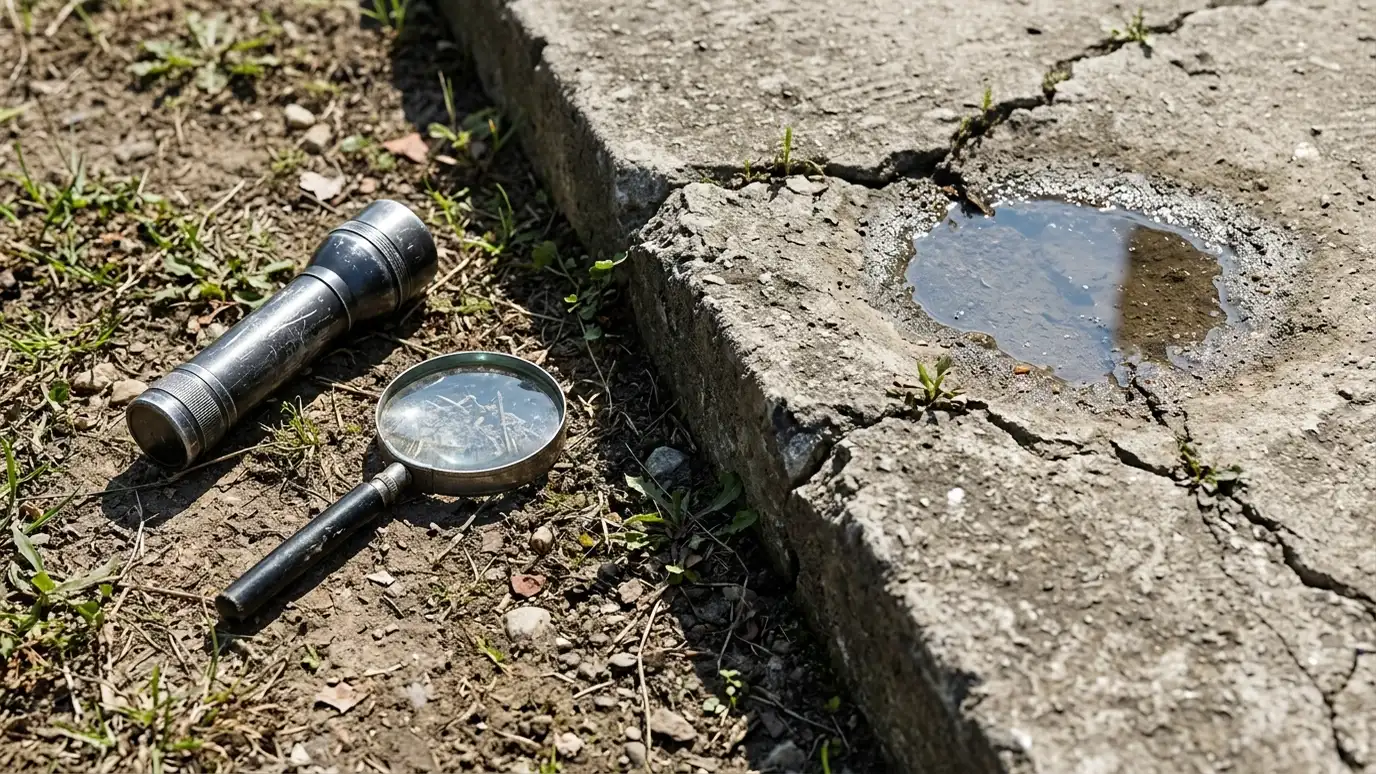
Before choosing a fix, find out why the concrete failed. Water, soft soil, roots, heavy loads or a poor pour each call for a different answer. A repair that ignores the cause will fail again.
A site visit usually finds the cause in a few minutes.
When repair makes sense
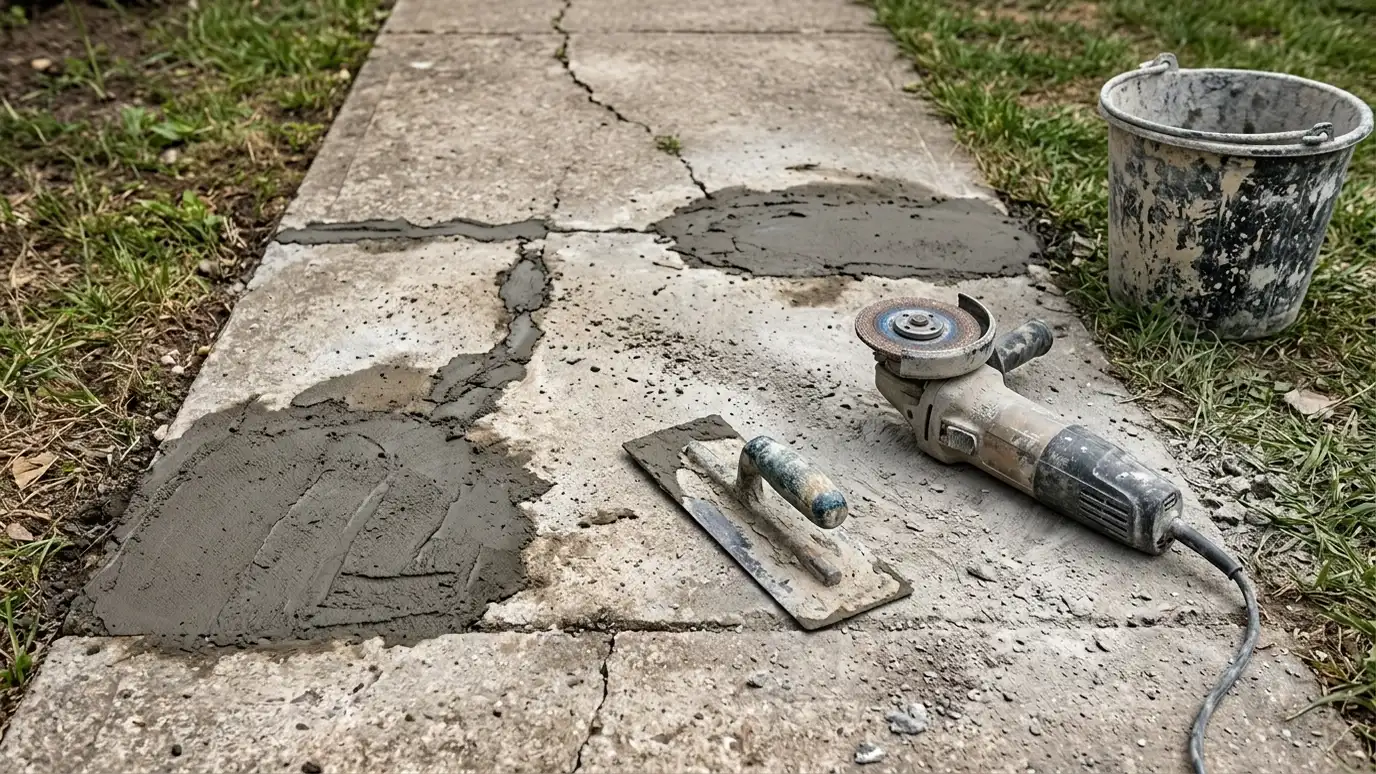
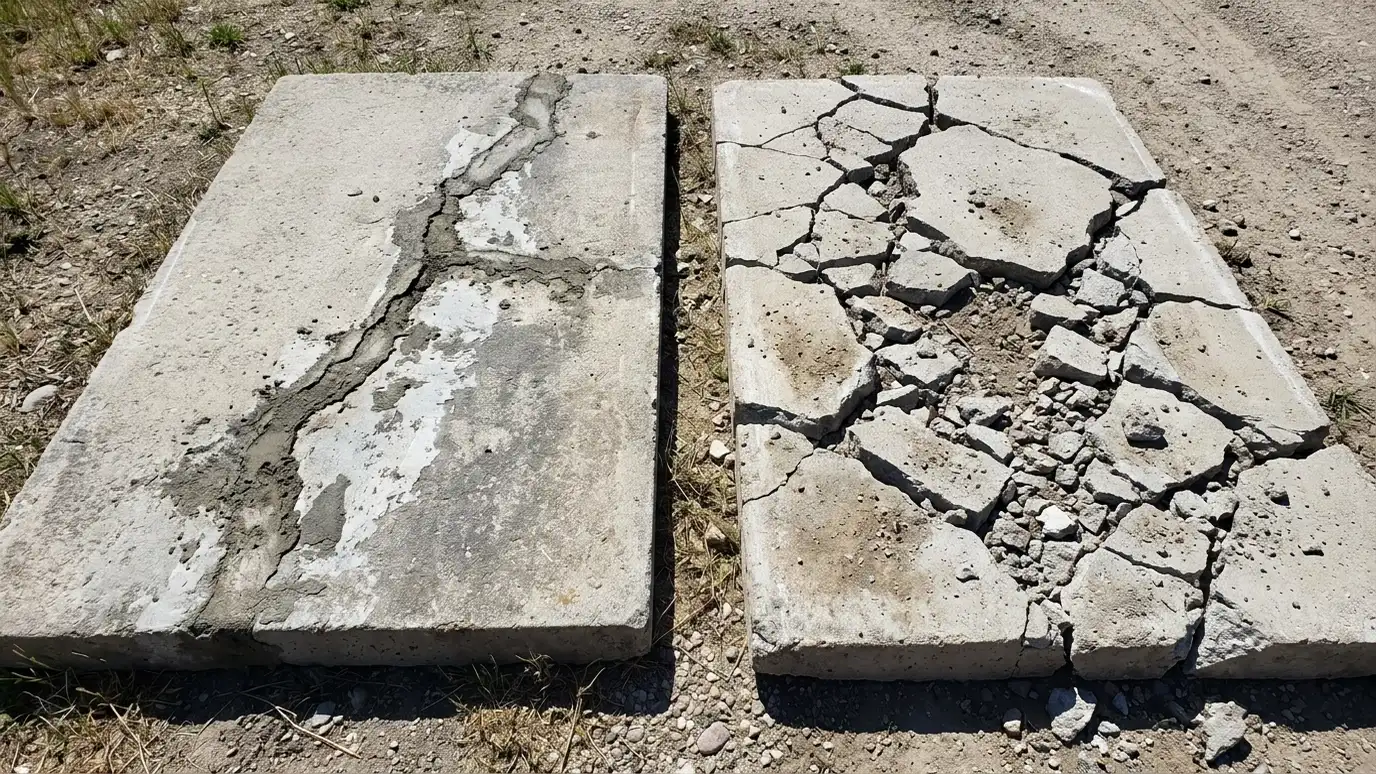
Repair fits when the slab is mostly sound. Cosmetic cracks can be filled, small chips patched and joints resealed. Worn surfaces can be cleaned and sealed, and trip hazards ground down.
These fixes are quick, cost less and keep the existing slab in service.
When lifting makes sense
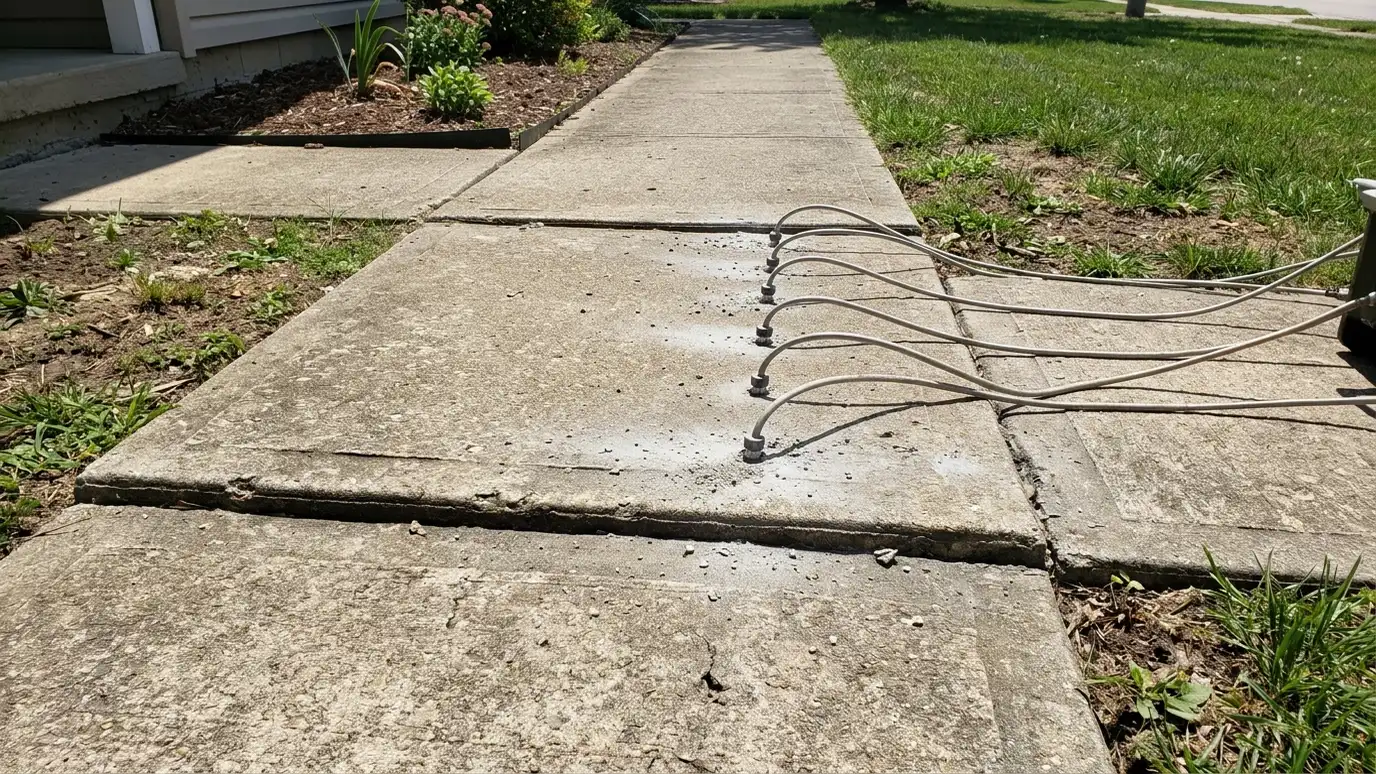
Lifting fits when a slab has sunk but is not broken. Material is injected under the slab to raise it back to level, and the cause of the settling is addressed.
It is often faster and less costly than replacement, and it leaves the surface in place.
When resurfacing makes sense
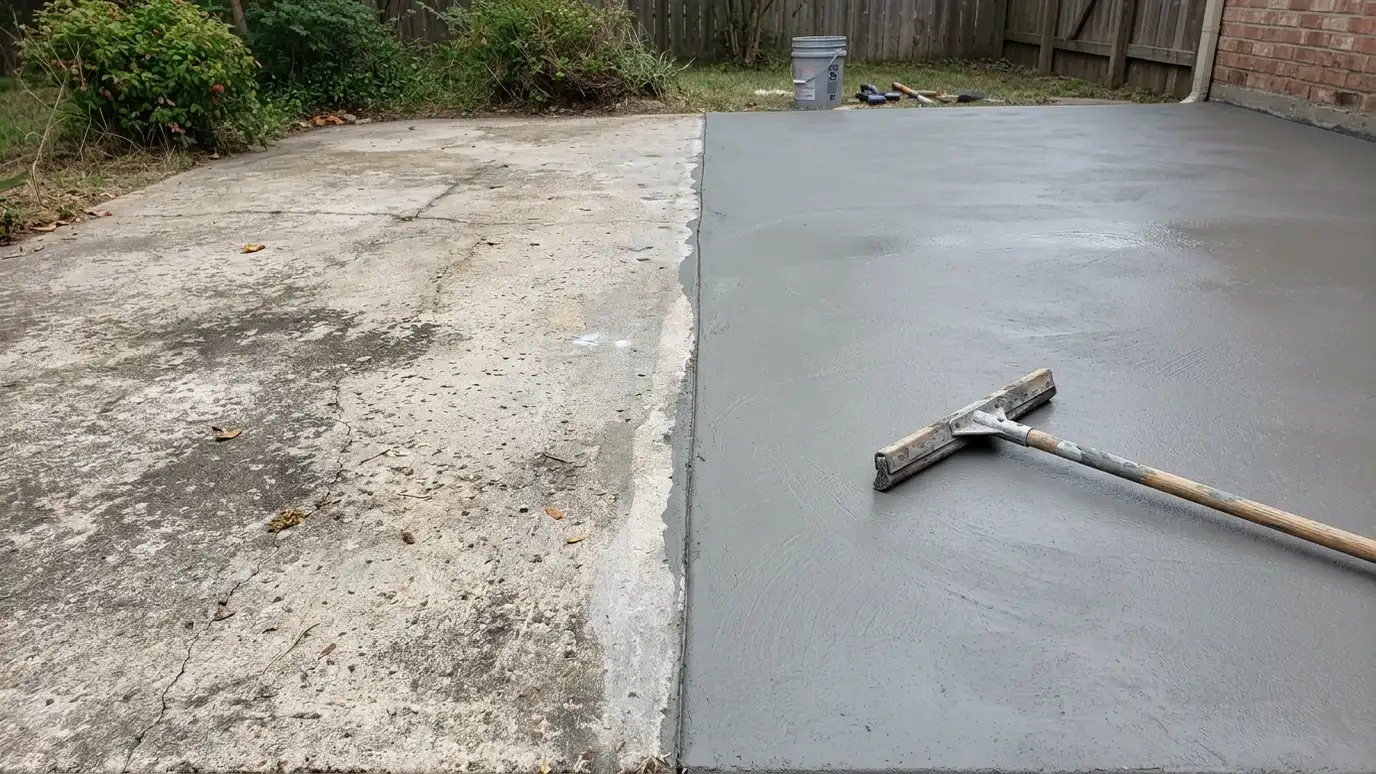
Resurfacing fits when the slab is sound but the surface is stained, worn or scaled. A thin overlay renews the look, and color or texture can be added.
It does not fix structural problems, so cracks and settling should be handled first.
When to replace
Replacement is the right answer when damage is widespread, the base has failed, slabs are broken into pieces or repeated repairs have not worked. A new slab with a proper base, steel and joints should last for decades.
Removal adds cost, but it also gives a fresh start.
How we help you decide
We look at the cause, measure the damage and explain each option with its cost and likely lifespan. You get a written scope, and you decide.
Sometimes the honest answer is a small repair, and we will tell you so.
Fix the cause first, then choose the least work that will last, and replace only when repair would only be a delay.