Shrinkage
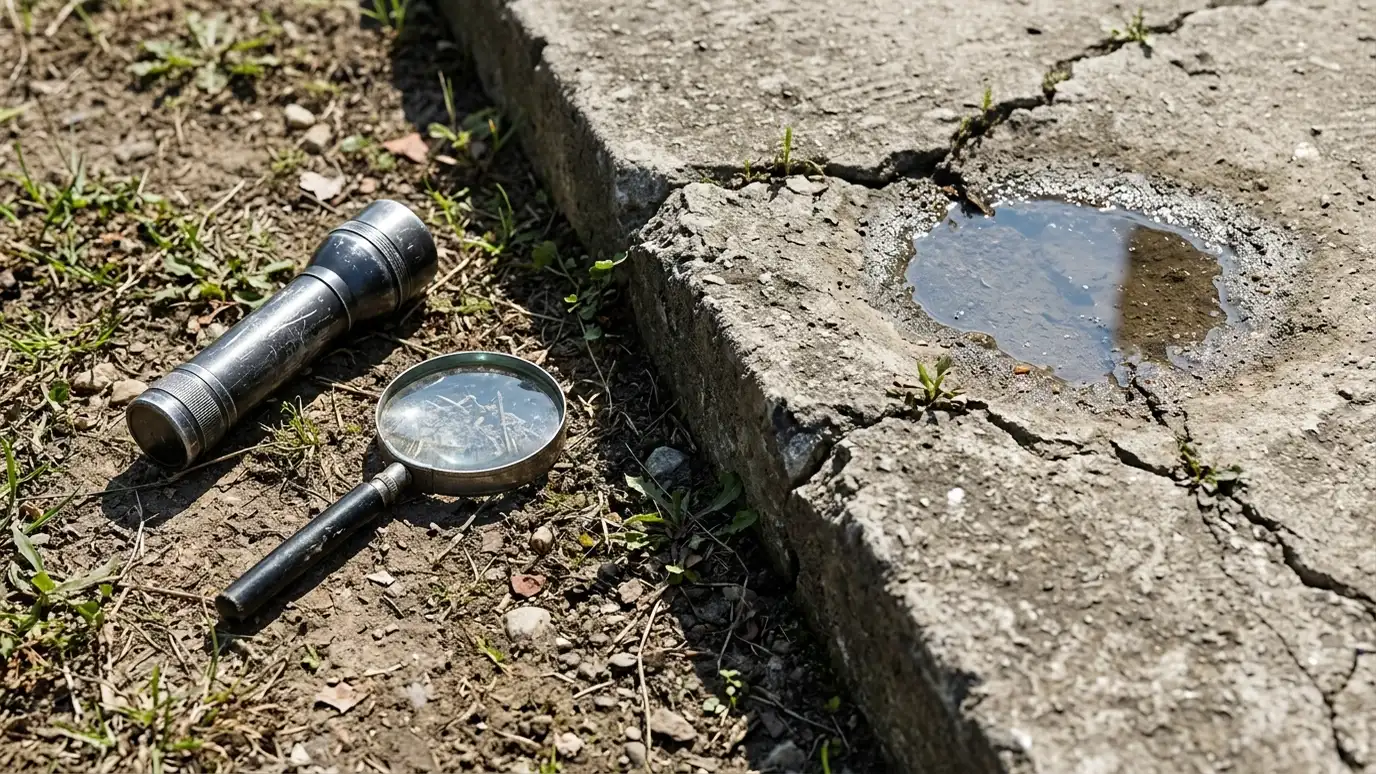
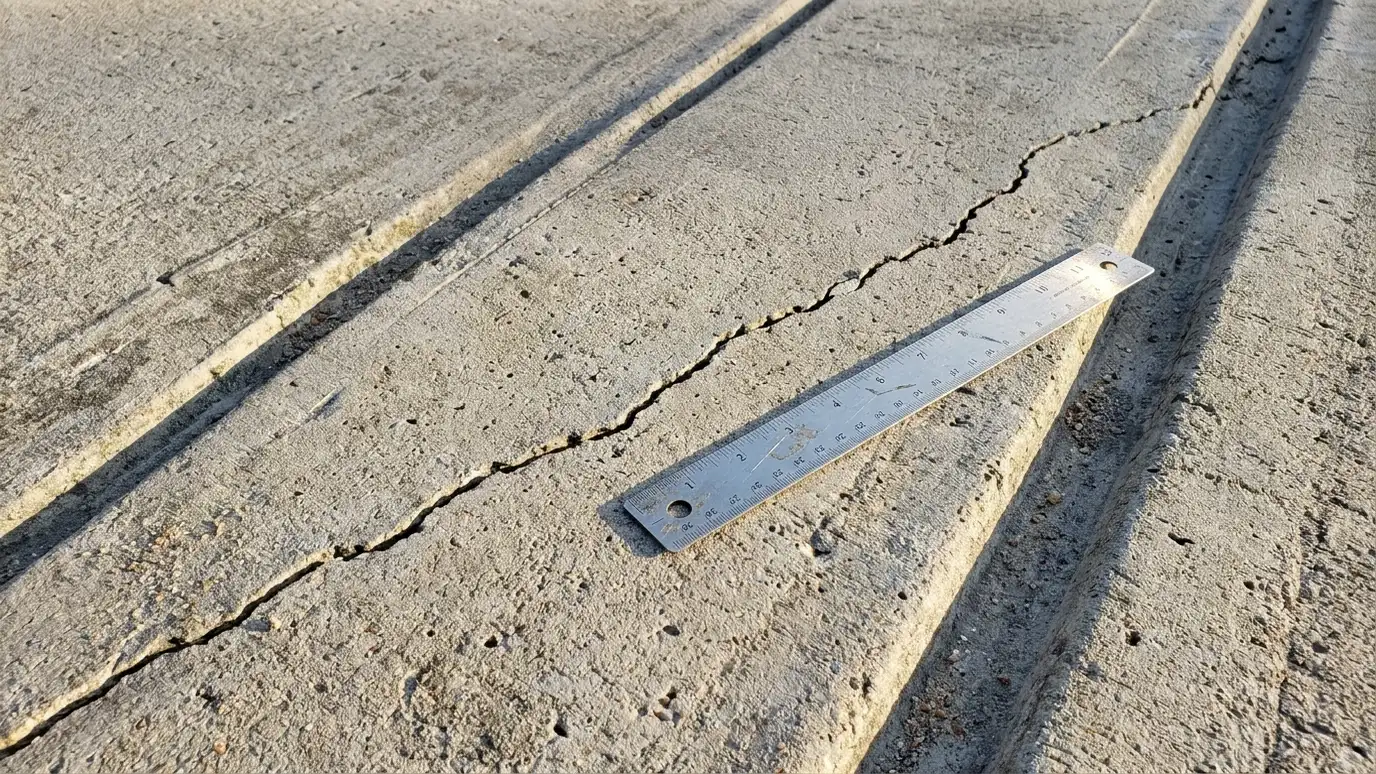
Concrete shrinks as extra water leaves it. That shrinkage pulls on the slab and often causes thin cracks. Joints cut in the slab give the cracks a place to form so they are neat and straight.
Most shrinkage cracks are cosmetic.
Soil and base problems
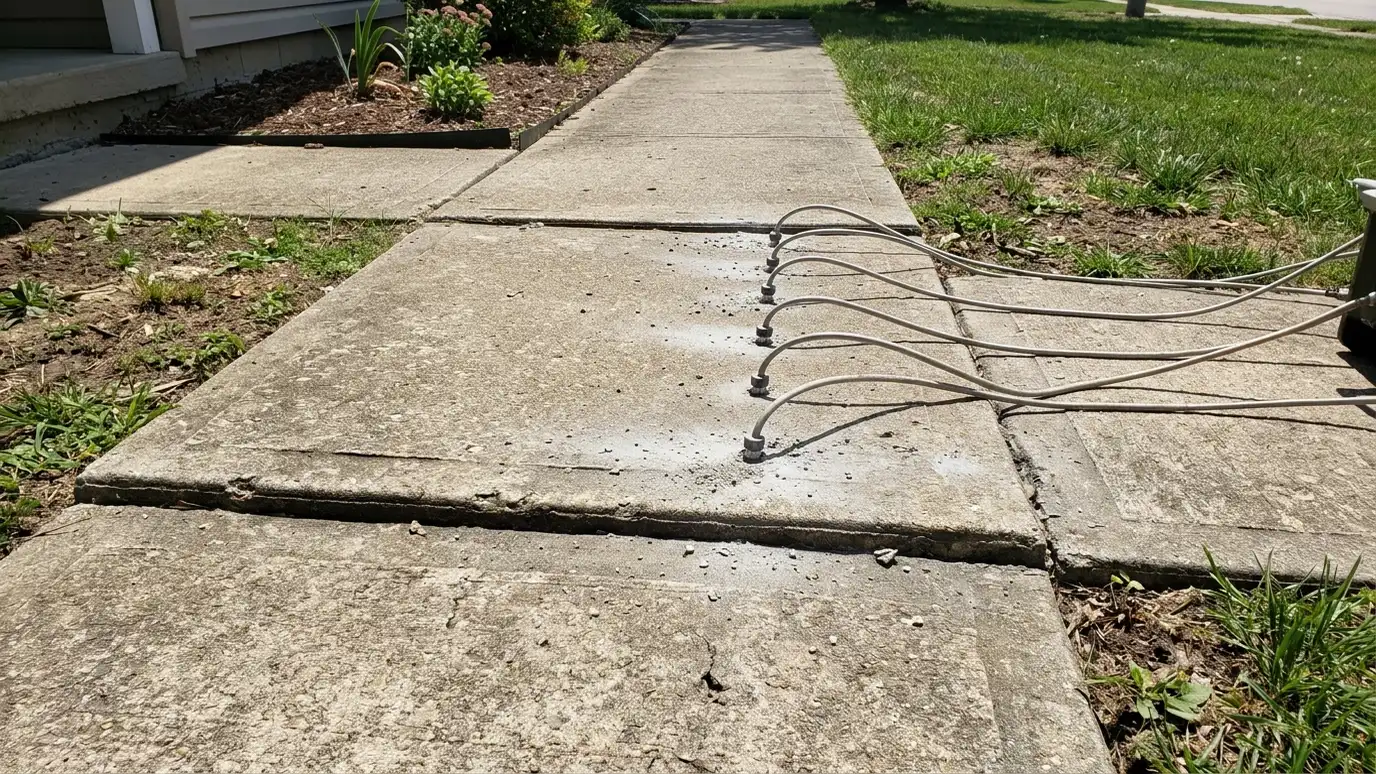
Soft soil, poor compaction and clay that swells and shrinks move the slab. Cracks from this kind of movement are often wide and uneven, and one side may sit higher than the other.
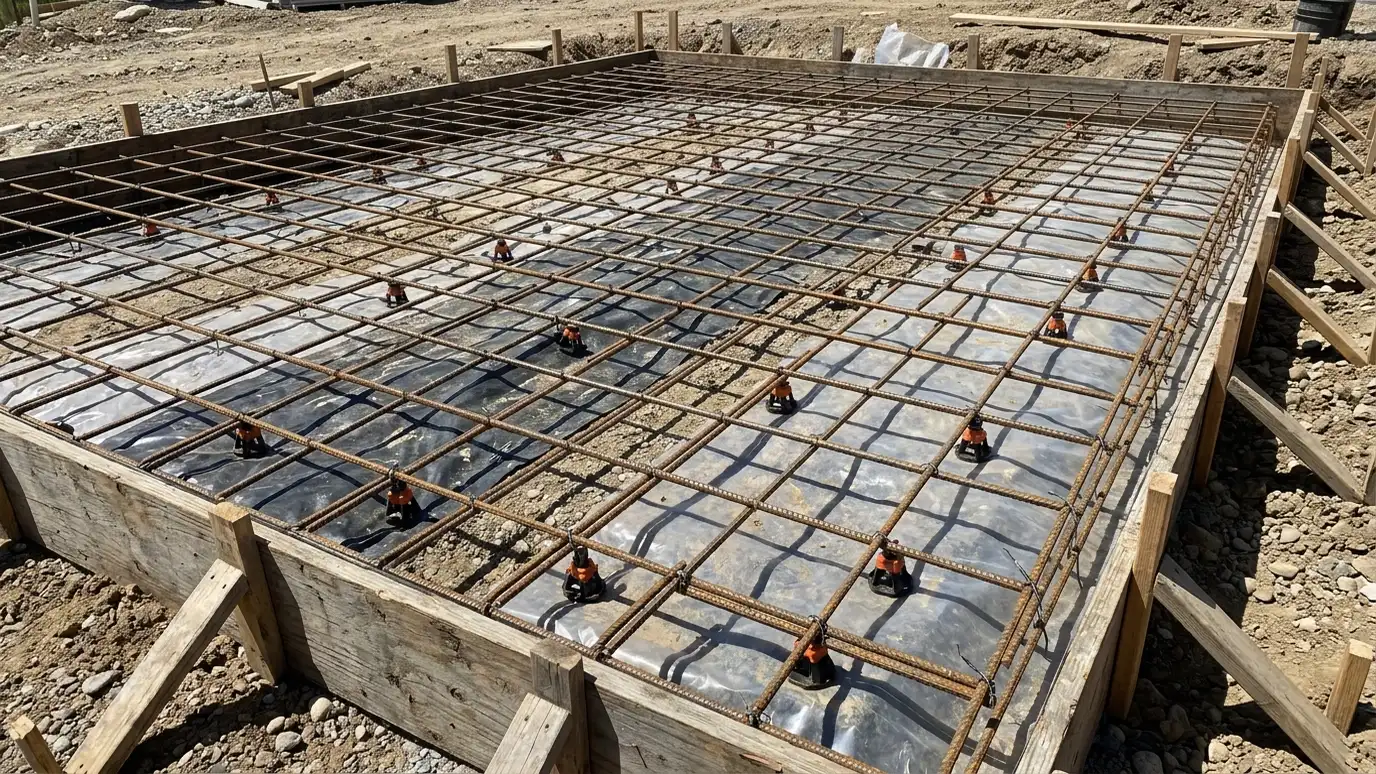
A good stone base is the best prevention.
Loads and thickness
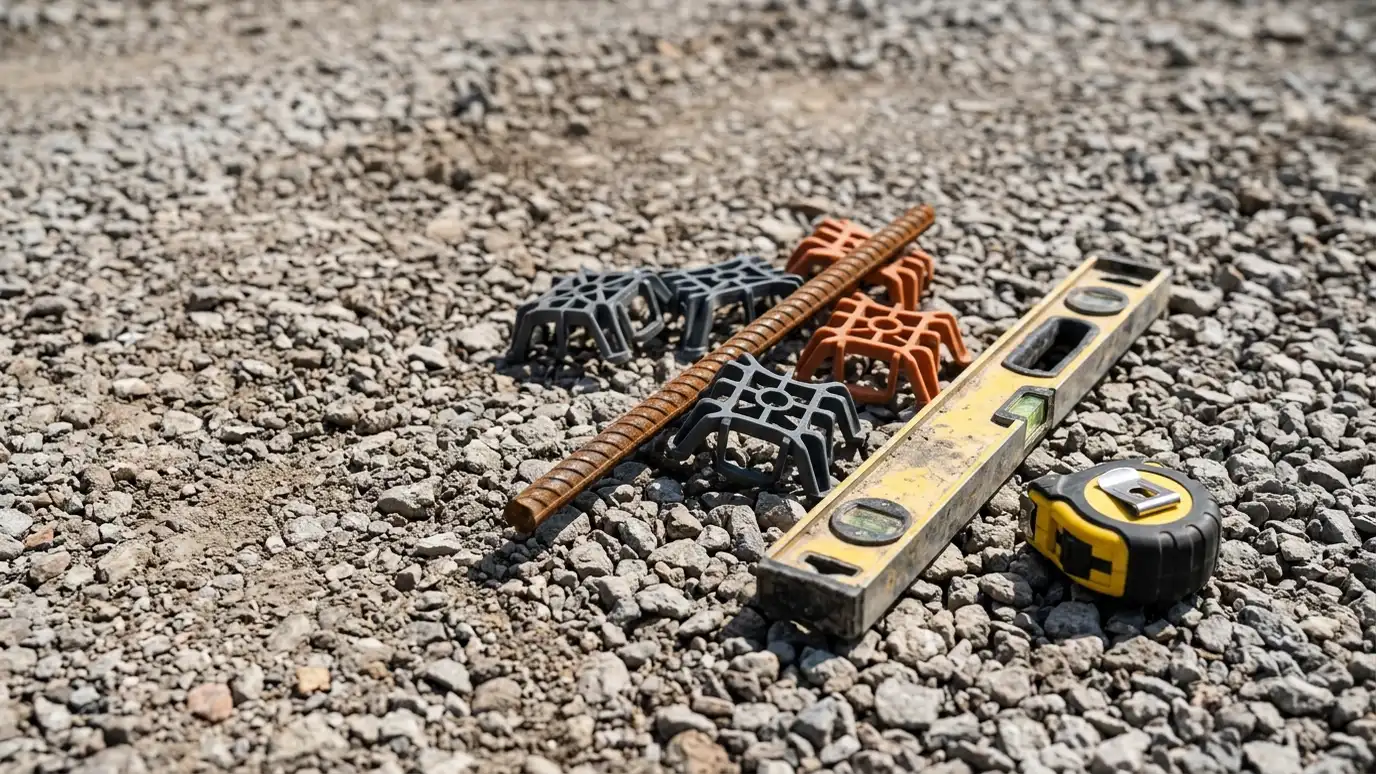
A slab that is too thin for its load will crack under weight. Heavy trucks, equipment and repeated loads need thicker concrete and steel.
Aprons and corners are the weak spots.
Water and weather
Freeze-thaw cycles, rain on fresh concrete and hot, dry wind all stress the surface. Too much water in the mix weakens it and increases cracking.
Proper mixes, covers and curing reduce the risk.
Tree roots and settling
Roots grow under slabs and lift them, and washed-out soil makes slabs sink. Trees near walks and drives are a common cause.
Solutions include root barriers, repairs or rerouting.
Preventing and managing cracks
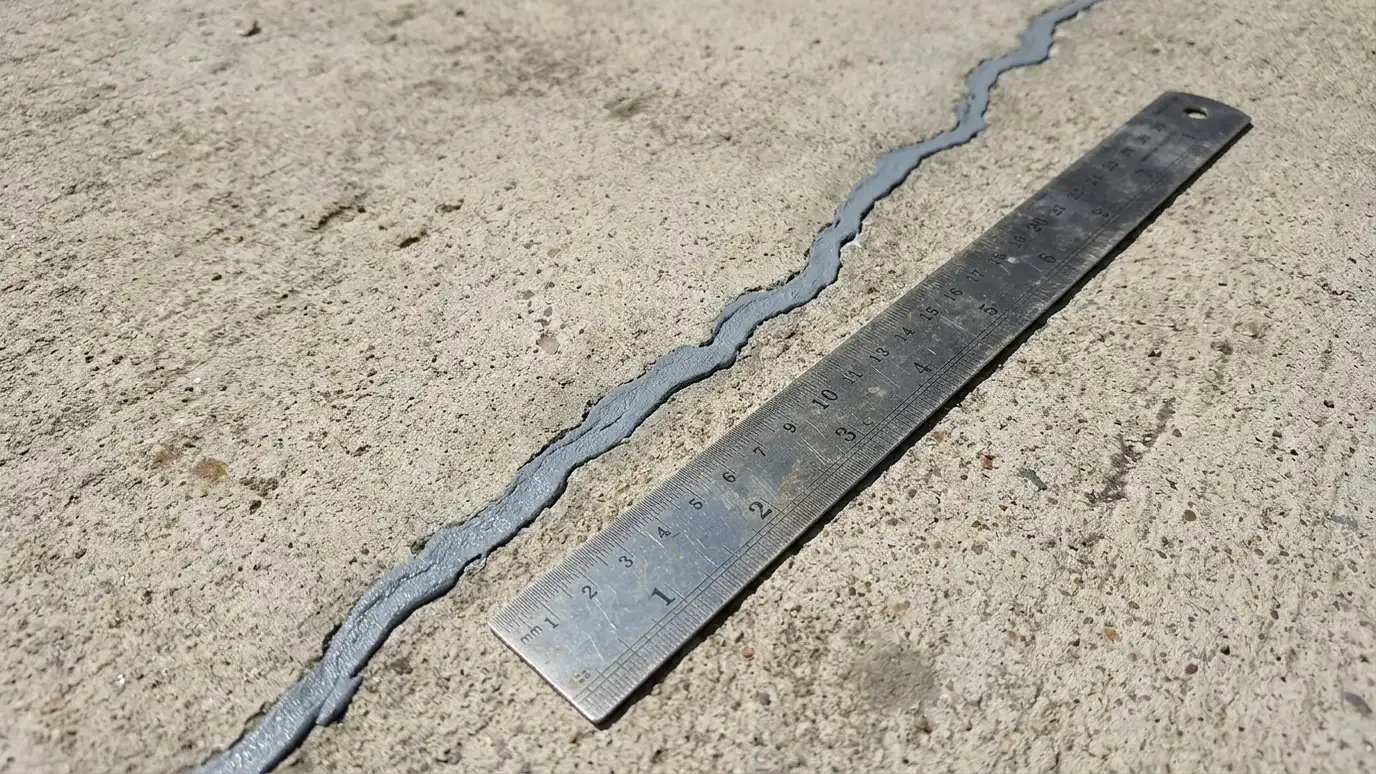
Good base work, the right thickness, steel, joints and curing prevent most serious cracks. Seal small cracks to keep water out and watch for changes.
No concrete is crack-free, but good building keeps cracks small and neat.
Expect small cracks, prevent big ones with a good base and joints, and seal what appears before winter.